

Maddy summaryHRES 758 is a symbolic resolution designating the first Wednesday in October as National Energy Appreciation Day. It expresses the House's support for recognizing energy workers - across oil, gas, coal, nuclear, hydro, and renewable sectors - who power the U.S. economy and improve quality of life. The resolution cites statistics on energy's role in job creation (7.8 million U.S. jobs), poverty reduction, and national security, but does not create new laws or funding. As a non-binding resolution, it solely aims to raise awareness of the energy industry's contributions. (HRES 758, introduced October 3, 2023)
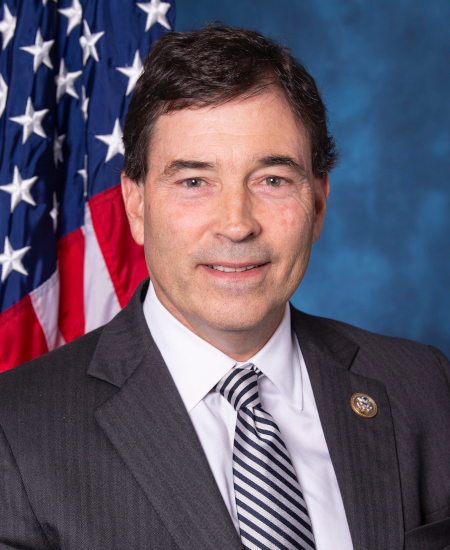
Rep. Troy Balderson
Sponsored bills
Maddy summaryThis resolution designates the week of September 25-29, 2023, as "National Clean Energy Week" to recognize the growing role of clean energy in the U.S. economy. It expresses support for clean energy jobs and innovation, noting the sector employed about 8.1 million people in 2022. The resolution encourages federal, state, and local investment in affordable clean energy technologies and promotes "commonsense solutions" for energy needs. As a symbolic gesture, it has no legal force or funding implications - it simply urges recognition of clean energy's economic and environmental contributions.
Maddy summaryThis resolution symbolically supports designating September 30, 2023, as "National Veterans Suicide Awareness and Prevention Day." It does not create new laws or funding but formally recognizes the need to raise awareness about veteran suicide and support families affected by it, referencing statistics showing an average of 17 veteran suicides daily. The resolution aims to highlight this issue and encourage community engagement, though it has no direct policy impact.
Maddy summaryHR 5791, the "Define the Mission Act," requires the President to submit a comprehensive strategy report to Congress within 30 days of the bill's enactment, detailing U.S. involvement in the Ukraine conflict. The report must define U.S. national interests in the conflict, set specific objectives with timelines, benchmarks, and resource estimates (including personnel and funding), list expected European NATO security contributions, and assess Russia’s natural gas market impact on resolving the conflict. It mandates the strategy must aim for a Russia-Ukraine cease-fire agreement and explicitly cannot depend on U.S. funding for Ukrainian reconstruction. The report must be unclassified but may include a classified annex for full transparency. This bill establishes a formal process for Congress to review and oversee U.S. policy toward Ukraine.
Maddy summaryHRES 684 is a symbolic congressional resolution passed by the U.S. House of Representatives on September 14, 2023, condemning New Mexico Governor Michelle Lujan Grisham's emergency order that temporarily suspended open and concealed carry firearm rights for 30 days. The resolution asserts the order violated the Second Amendment, citing Supreme Court precedents (Heller, McDonald, Bruen) and noting a federal judge had already blocked the order's firearm restrictions. It does not change any laws or impose legal consequences - it is solely a formal expression of disapproval from Congress. The resolution directly addresses the Governor's actions but has no effect on New Mexico's laws or citizens' rights.
Maddy summaryThis bill amends the Natural Gas Act to give the Federal Energy Regulatory Commission (FERC) exclusive authority to approve or deny applications for U.S. natural gas export facilities (including LNG terminals) to foreign countries. It removes existing requirements for other federal agencies to review such projects, though it preserves their roles in other areas. The bill also adds a new provision clarifying that the President retains authority under existing laws (like sanctions or national security powers) to block exports, including to countries designated as "state sponsors of terrorism." The bill directly affects LNG exporters, FERC, and the President’s national security decision-making regarding gas exports.
Maddy summaryHR 1435, the Preserving Choice in Vehicle Purchases Act, amends the Clean Air Act to restrict states from implementing vehicle emissions rules that limit the sale or use of new gasoline-powered cars. It directly affects states with stricter emissions standards (like California) by adding a new definition that blocks state rules "directly or indirectly" limiting internal combustion engine vehicles as defined in federal regulations as of January 1, 2023. The bill requires the EPA to revoke existing state emissions waivers granted between January 2022 and the bill’s enactment if they don’t comply with this new definition. This creates a concrete federal standard preventing states from advancing policies that could reduce demand for conventional vehicles.
Maddy summaryThis bill amends the Infrastructure Investment and Jobs Act to require the federal Broadband Equity, Access, and Deployment Program to comply with the Freedom of Information Act (FOIA). It allows the public to request government records about how broadband funding is allocated and spent, increasing transparency. This directly affects agencies like the Federal Communications Commission (FCC) managing the program and enables citizens to access information on federal broadband spending decisions. The change removes prior exemptions from FOIA requirements for this specific program.
Maddy summaryThis bill approves and implements a new trade agreement between the United States and Taiwan, negotiated by the American Institute in Taiwan and Taiwan's Taipei Economic and Cultural Representative Office. The agreement aims to strengthen economic ties by addressing areas like supply chain security, investment screening, health, science, technology, and the digital economy. The bill establishes requirements for the President to consult with Congress before implementation, submit reports on how the agreement benefits US workers and businesses, and provide transparency about future trade negotiations. It also clarifies that the agreement doesn't override US or state laws and requires any future agreements to follow a similar approval process with congressional review.
This resolution honors and recognizes the patriotism and contributions made by generations of veterans service organizations, veteran advocacy groups, and volunteers and commends the members of such organizations for their dedicated service to members of the Armed Forces, veterans, their families, and their communities. The resolution also encourages the people of the United States to promote awareness of the contributions and dedication of members of veterans service, organizations, veteran advocacy groups, and volunteers to members of the Armed Forces, veterans, and their families. Additionally, the resolution calls on citizens to follow the example of such groups and volunteer support and services to those who have served the country.