

Maddy summaryHJRES 138 is a joint resolution seeking congressional disapproval of a Centers for Medicare & Medicaid Services (CMS) rule that would have clarified eligibility for health insurance subsidies under the Affordable Care Act for Deferred Action for Childhood Arrivals (DACA) recipients and certain noncitizens. The rule, submitted on May 8, 2024, aimed to allow these individuals to access premium tax credits, cost-sharing reductions, and health plans through ACA marketplaces. This resolution, if enacted, would block the rule from taking effect under the Congressional Review Act, directly preventing DACA recipients and the specified noncitizens from qualifying for these benefits. The bill does not create new policy but halts an existing regulatory clarification.
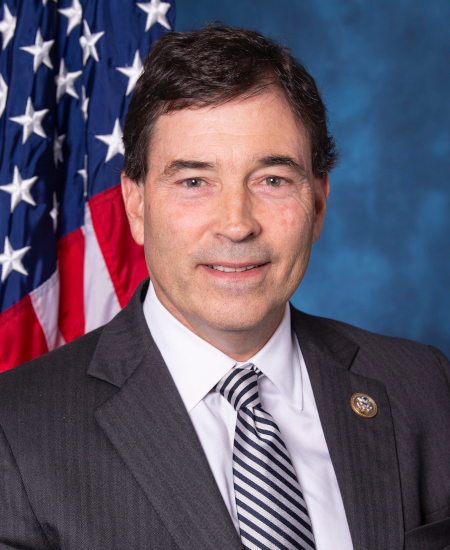
Rep. Troy Balderson
Sponsored bills
Maddy summaryHR 7581 requires the Attorney General to submit three new reports within 270 days of enactment, focusing on data gaps affecting law enforcement safety. The bill mandates a detailed analysis of violent attacks against officers (including ambushes), non-criminal aggressive incidents not currently reported, and mental health impacts from such events. These reports will assess current data collection systems, training effectiveness, resource availability, and disparities in reporting across federal, state, and local law enforcement. The goal is to inform better prevention strategies and resource allocation for officer safety and wellness, without creating new funding or programs.
Maddy summaryThis bill requires Medicare to pay separately for certain high-cost diagnostic drugs used in nuclear imaging (like those for cancer detection) starting in 2024. It applies to drugs with a daily cost of $500 or more (adjusted annually), ensuring they are not bundled with other services. Payments will be based on either the drug's average sales price or wholesale cost, with adjustments to keep overall Medicare spending unchanged. This directly affects Medicare Part B providers (hospitals, clinics) and beneficiaries receiving these specific diagnostic treatments.
Maddy summaryThe Awning Safety Act of 2023 requires the Consumer Product Safety Commission (CPSC) to create new safety standards for fixed and freestanding retractable awnings within 18 months of the bill's enactment. These standards aim to prevent deaths or serious injuries caused by awnings unexpectedly opening - particularly while users remove bungee tie-downs for the cover. The law directs the CPSC to define which awning types fall under the rule and treats the resulting standard as a formal safety rule under existing consumer product safety laws. This directly affects awning manufacturers, retailers, and consumers who use these products, focusing on a specific operational hazard during maintenance.
Maddy summaryHRES 1226 is a non-binding resolution honoring 282 law enforcement officers killed in the line of duty during 2023, listed by name in the resolution. It formally acknowledges their sacrifice, expresses unwavering support for current officers, and recognizes the need for adequate resources to protect them. The resolution does not create new laws or policies but serves as a ceremonial tribute to memorialize fallen officers and support their families, aligning with existing National Police Week observances established since 1962.
Maddy summaryHR 7109, the Equal Representation Act, requires the U.S. Census Bureau to add a citizenship status checkbox to the 2030 and future decennial censuses, asking respondents to identify if they are U.S. citizens, U.S. nationals, lawful residents, or unlawful residents. It then mandates excluding noncitizens (both lawful and unlawful residents) from the population count used to determine each state's number of congressional seats and electoral votes starting with the 2030 census. This bill directly affects how states are apportioned representation in Congress and presidential electoral votes, based solely on the citizen population. The key change is shifting the apportionment base from total population to citizen population alone, using the new census data.
Maddy summaryHJRES 98 is a congressional resolution seeking to block a National Labor Relations Board (NLRB) rule that defined how businesses are considered "joint employers" for labor law purposes. The bill targets the NLRB's October 2023 rule (88 Fed. Reg. 73946), which would have changed how companies like franchisors or staffing agencies are held responsible for workers' rights. If passed, this resolution would cancel the rule, directly affecting businesses managing multiple employer relationships and labor organizations enforcing workplace standards. The measure uses a standard process under federal law to disapprove an agency rule, not creating new policy but reversing an existing regulation.
Maddy summaryHR 8231, the James Earl Jones Congressional Gold Medal Act, authorizes a Congressional Gold Medal to be awarded to actor James Earl Jones in recognition of his distinguished career in theater and film, and his role in advancing inclusion and equal opportunities for people of all backgrounds in the entertainment industry. The Treasury will strike the medal with an image and inscription of Jones, and may produce and sell bronze duplicates to cover costs, with proceeds deposited into the U.S. Mint's public enterprise fund. This bill serves as a ceremonial honor with no new legal requirements or policy changes.
Maddy summaryThis bill directs the Department of Education to use the International Holocaust Remembrance Alliance (IHRA) definition of antisemitism when enforcing Title VI of the Civil Rights Act in federal education programs. It clarifies that discrimination against Jewish individuals based on actual or perceived shared ancestry or ethnic characteristics may violate Title VI protections, requiring agencies to consider antisemitism intent during investigations. The law affects schools and universities receiving federal funds by guiding how they handle discrimination complaints related to antisemitism. It does not create new legal standards or expand the Department of Education's authority, as explicitly stated in the bill.
Maddy summaryHR 615, the Protecting Access for Hunters and Anglers Act of 2023, prevents federal agencies from banning lead ammunition or tackle on public lands and waters managed for hunting or fishing, except in specific cases. The bill allows exceptions only if a state wildlife department confirms lead use is harming local wildlife, and the federal action aligns with state law or state agency approval. It directly affects hunters and anglers using federal lands and waters, ensuring they can continue using lead products unless a state verifies a local wildlife issue requiring a ban. The law requires federal agencies to justify any exception with state data and policy compliance in official notices.