

Maddy summaryThis House Resolution supports designating the week of April 11 through April 17, 2026, as "Black Maternal Health Week." The resolution aims to bring national attention to the maternal and reproductive health crisis in the United States, specifically highlighting the importance of reducing maternal mortality and morbidity among Black women and birthing people.
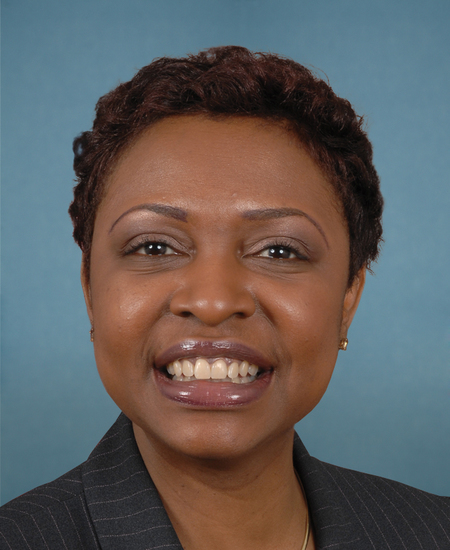
Rep. Yvette D. Clarke
Sponsored bills
Maddy summaryThe Tech to Save Moms Act aims to improve maternal health outcomes for pregnant and postpartum individuals by increasing access to technology-enabled care. It allows states to adopt and use telehealth tools under Medicaid for screening, monitoring, and managing health complications during pregnancy and up to one year postpartum. The bill also establishes two grant programs: one to fund technology-enabled collaborative learning models for training maternal healthcare providers, especially in underserved areas, and another to increase access to digital tools that reduce maternal health disparities. Finally, it directs the National Academies to study the use of technology and patient monitoring devices in maternity care, focusing on racial and ethnic biases.
Maddy summaryThe Supporting VA Families Act grants unpaid parental leave to Department of Veterans Affairs employees. This provision allows employees to take four weeks of unpaid leave within a 12-month period for the birth of a child or for adoption and foster care placements. The leave is designed to supplement existing leave policies rather than replace them, ensuring employees can balance family needs with their work responsibilities. The act defines eligible employees and children according to existing federal definitions found in Title 5 of the United States Code.
Maddy summaryThis bill, known as the OHH SNAP Act of 2026, would expand eligibility for the Supplemental Nutrition Assistance Program to include more college students. It directly affects students who are working while attending college or have no financial aid available. The key changes allow students with zero financial aid and those classified as independent to qualify for SNAP benefits, while also broadening the definition of eligible work activities to include attending school. These provisions would take effect 180 days after the bill is signed into law, but would not apply to certification periods that began before that date.
Maddy summaryThe Books Save Lives Act requires public libraries and schools receiving federal funding to maintain diverse book collections that include works by and about members of underrepresented communities. It mandates that covered schools employ trained librarians and establishes that excluding books with a disparate impact on underrepresented groups serves as initial evidence of discrimination under existing civil rights laws. Additionally, the bill directs the Comptroller General to produce a report within 180 days on how recent book ban campaigns have affected underrepresented communities. The legislation defines underrepresented communities to include racial and ethnic minorities, LGBTQ+ individuals, religious minorities, and people with disabilities.
Maddy summaryThis bill is a House resolution that formally honors the Grandassa Models, a group of African-American women who emerged in 1962 Harlem to challenge Eurocentric beauty standards and promote natural Black beauty during the civil rights era. The resolution recognizes their role in the Black is Beautiful movement, noting how they used fashion and public appearances to advance cultural pride and confront colorism. It also acknowledges the continued legacy of the Grandassa Association, which works to preserve their history and support the Black community in New York City through education and cultural programs.
Maddy summaryThis resolution formally acknowledges historical and ongoing injustices in women's healthcare, particularly affecting marginalized groups such as Black, Indigenous, immigrant, LGBTQ+, disabled, and low-income women. It highlights specific issues including dismissed pain, lack of bodily autonomy, and past medical abuses like non-consensual sterilization and coercive contraceptive testing. The bill calls for patient-centered care, expanded research, and stronger protections for reproductive and gynecological health, while urging the federal government to address systemic bias in medical settings.
Maddy summaryThis bill directs the Secretary of Health and Human Services to conduct a study on barriers that prevent patients from accessing pain management during gynecologic procedures. The study will examine factors such as insurance coverage, provider training, and resource availability, and will include input from patients, medical professionals, and health equity experts. Within 24 months of enactment, the Secretary must submit a report with findings and recommendations to relevant congressional committees. The bill does not change current laws or funding but establishes a research requirement to inform future policy decisions.
Maddy summaryThis bill would create a federal paid leave program allowing employees to take up to 96 hours of paid time off each year for reproductive health needs, including menstrual care, endometriosis, fertility treatments, and pregnancy-related procedures. It applies to private employers with at least five employees and certain government workers, requiring employers to grant this leave upon request without requiring employees to find replacements during their absence. The legislation prohibits retaliation against employees who use this leave and establishes enforcement mechanisms through the Department of Labor, including civil penalties for violations. Employers with existing paid leave policies that already cover these reproductive health reasons would not need to provide additional leave under this bill.
Maddy summaryThis bill directs the National Institutes of Health to expand research into Premenstrual Dysphoric Disorder, a severe mood and physical condition affecting 5 to 8 percent of women and people assigned female at birth. It requires the agency to collect data on PMDD prevalence, economic impact, and treatment barriers while ensuring diverse populations are included in studies. The legislation also funds public awareness campaigns and grants to train healthcare professionals in diagnosing and treating the condition. Additionally, the bill mandates a report to Congress within two years detailing progress on research, education, and access to care.