

Maddy summaryHRES 1035 is a non-binding House resolution condemning recent and proposed workforce reductions at FEMA, which the resolution states endanger the agency's ability to prepare for, respond to, and recover from disasters. It specifically cites a 35% staffing shortage at FEMA (per GAO) and notes that over 2,000 permanent staff left FEMA in 2025, weakening disaster response during events like Hurricanes Helene and California wildfires. The resolution expresses concern that staffing cuts would delay aid, reduce assistance to vulnerable communities (including rural, coastal, and wildfire-prone areas), and undermine counterterrorism programs supporting first responders. It calls for a stable, adequately resourced FEMA workforce to ensure effective disaster management, without proposing new legislation or policy changes.
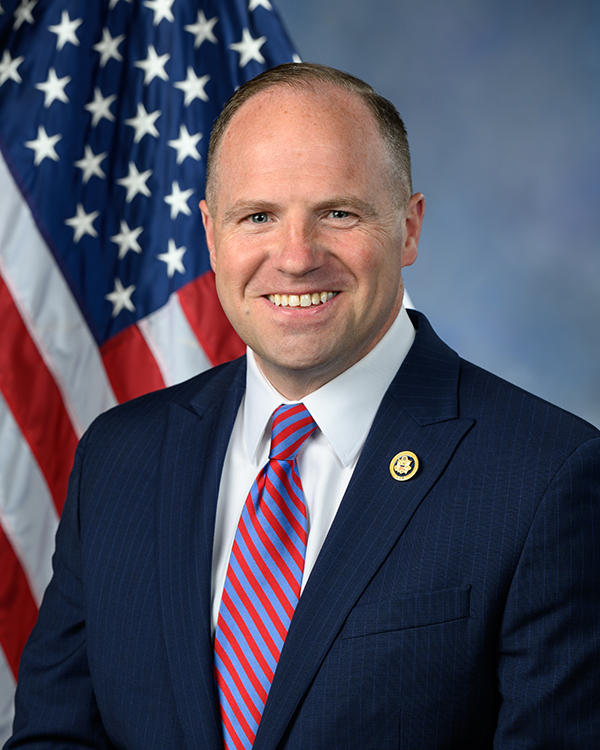
Rep. Timothy M. Kennedy
Sponsored bills
Maddy summaryHR 7335 establishes comprehensive humanitarian standards for individuals held in U.S. Immigration and Customs Enforcement (ICE) and U.S. Customs and Border Protection (CBP) custody. The bill requires facilities to provide immediate health screenings within 12 hours (6 hours for high-risk individuals like children, pregnant people, or those with medical conditions), ensure access to adequate water, sanitation, food (with 2,000+ calories daily for adults), and age-appropriate shelter. It mandates specific facility standards including separate housing for males and females, accessible accommodations for people with disabilities, daily outdoor access for those detained over 48 hours, and proper medical equipment and personnel on-site. The bill also requires regular inspections, staff training on humanitarian protocols, and public reporting of sexual abuse complaints. These standards directly affect all individuals detained by ICE or CBP, with special protections for vulnerable groups like children, pregnant people, and those with medical needs.
Maddy summaryHR 7322, the True Shutdown Fairness Act, requires federal agencies to pay regular wages to most employees and contractor workers during government shutdowns in fiscal year 2026, instead of furloughing them. It applies to all standard federal employees (excluding those on emergency duty) and contractor workers whose jobs would normally halt during a funding gap. Agencies must pay covered employees within 7 days of the bill's enactment for ongoing shutdowns, and contractors receive reimbursement for costs incurred keeping workers paid. The bill also prohibits agencies from implementing layoffs or placing employees on administrative leave for more than 10 days during a shutdown.
Maddy summaryThis bill amends existing port infrastructure funding programs to require fair geographic distribution of projects across U.S. regions. It adds new requirements to two key programs: the Port and Intermodal Improvement Program (46 U.S.C. § 54301(a)(6)(B)) and assistance for small inland river/coastal ports (46 U.S.C. § 54301(b)(4)). The key provision mandates that selected projects must ensure equitable representation among all U.S. regions, preventing concentration of funds in specific areas. This directly affects how federal port funding is allocated, requiring the Department of Transportation to consider regional balance when approving projects.
Maddy summaryThe D-BLOC Act (HR 6790) requires railroads to limit train blockages at public highway-rail crossings to 10 minutes or less, except in emergencies like accidents, track obstructions, or safety compliance. Railroads must report all blockages exceeding 10 minutes via a federal portal, maintain detailed records of incidents, and face civil penalties for repeated violations after a 60-day notice period. The law exempts penalties if an alternate route exists within half a mile or a grade separation project is underway with funding. It directly affects Class I railroads (major freight carriers) and applies to all public highway-rail crossings nationwide, excluding Amtrak and commuter rail operations. The bill builds on an existing FRA portal established in 2019 to track and address recurring blockages.
Maddy summaryHR 6635, the Bus Operator Safety and Security Act, requires new fixed-route buses over 30 feet long (with a 10+ year lifespan) purchased using federal transit funds to have physical barriers at the driver's workstation. These barriers must extend from floor to ceiling, fully enclose the workstation to block entry of people or objects, and not obstruct the driver's view. Transit agencies must install these barriers within two years of the law's enactment, unless the labor union representing bus drivers agrees to waive the requirement. The rule applies only to new buses bought with federal funds (excluding those from rural transportation programs) and directly affects transit agencies and bus drivers operating large fixed-route vehicles.
Maddy summaryHR 6507, the DHS Grants Accountability Act, requires the Department of Homeland Security to set specific timelines for distributing security grants. It mandates that grant notices be published publicly at least 60 days after appropriations are enacted, gives applicants a minimum of 30 days to submit applications, and requires grant funds to remain available for use for at least 54 months. This bill directly affects state and local governments, transit agencies, port authorities, and other entities receiving DHS preparedness, transit, port security, and railroad safety grants. The key provisions standardize application deadlines and funding periods across multiple grant programs to improve transparency and planning.
Maddy summaryThe Bridges not Bumpers Act of 2025 creates a working group to improve data sharing about bridge clearances for commercial vehicles, requiring better GPS navigation tools, clearer height labeling on rental vehicles (over 5,700 lbs), and warnings to renters. It mandates that rental companies provide height information and warnings about bridge clearance, while also addressing liability for inaccurate GPS data. The bill establishes a national clearinghouse for bridge strike data and funds research grants to identify high-risk locations and improve infrastructure. It directly affects commercial truck drivers, GPS navigation providers, and rental car companies with fleets of 5+ vehicles, aiming to reduce bridge strikes through better information and infrastructure planning.
Maddy summaryThe Emergency Alert Grant Fairness Act requires the Federal Emergency Management Agency (FEMA) to open applications for its Next Generation Warning System grants for at least 30 days each year. It also explicitly includes public broadcasting entities (as defined in the Communications Act of 1934) as eligible recipients for these grants. This bill directly affects FEMA's grant administration process and public broadcasting organizations that provide emergency alert services. The key change is standardizing the application window and expanding eligibility to ensure public broadcasters can access funding for emergency alert systems.
Maddy summaryHJRES 144 is a congressional disapproval resolution targeting a specific rule issued by the Department of Veterans Affairs (VA) on December 31, 2025, which addressed "Reproductive Health Services" (90 Fed. Reg. 61310). This resolution directs Congress to disapprove the VA rule under Chapter 8 of Title 5, U.S. Code, meaning the rule would have no legal effect if passed. The bill directly affects the VA's implementation of reproductive health services for veterans, as it seeks to nullify the agency's existing policy. This is a procedural measure, not a substantive policy change, aimed solely at blocking the VA's rule through congressional action.