

Maddy summaryHRES 768 is a symbolic House Resolution expressing congressional support for Israel following Hamas' October 7, 2023 attacks. It condemns Hamas' actions, reaffirms Israel's right to self-defense, and calls for the immediate release of hostages. The resolution references the U.S. commitment to Israel's security through existing military aid programs, including the 2016 U.S.-Israel Memorandum of Understanding, and emphasizes enforcement of laws like the Taylor Force Act to prevent U.S. aid from reaching terrorist groups. As a symbolic resolution, it does not create new policy but serves as a statement of congressional support for Israel.
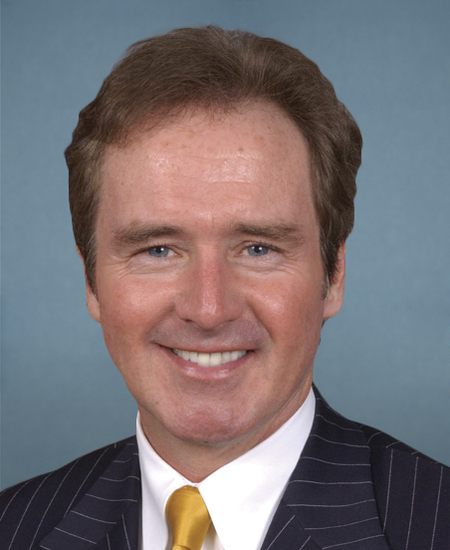
Rep. Brian Higgins
Sponsored bills
Maddy summaryThe Safe Schools Improvement Act (HR 6031) requires public elementary and secondary schools to implement comprehensive anti-bullying policies that specifically prohibit harassment based on protected characteristics like race, gender identity, disability, religion, and sexual orientation. It mandates schools to collect and publicly report annual data on bullying incidents while establishing clear grievance procedures for students and parents. The bill also requires states to submit biennial reports on school compliance and supports evidence-based interventions, such as restorative practices, to reduce exclusionary discipline. This legislation directly affects all public K-12 schools and students in the U.S., aiming to create safer learning environments through standardized policy requirements and data transparency.
Maddy summaryHR 2577 establishes the DHS Suicide Prevention and Resiliency for Law Enforcement Act, requiring all Department of Homeland Security (DHS) law enforcement components - including U.S. Customs and Border Protection, Immigration and Customs Enforcement, the Secret Service, TSA, and others - to implement new mental health programs. The law creates a central "Law Enforcement Mental Health and Wellness Program" under the Chief Medical Officer to coordinate suicide prevention, reduce stigma, and provide confidential support, including peer-to-peer networks, annual training for officers, and resources for families. Key mechanisms include mandatory annual confidential surveys of personnel, data collection on suicides (while protecting privacy), and requiring DHS components to improve mental health programs by removing barriers to seeking help and ensuring no adverse actions for officers who access counseling. The bill mandates annual congressional briefings on implementation through 2027.
Maddy summaryHRES 750 is a symbolic resolution recognizing the "Operation Green Light for Veterans" campaign, which encourages counties to illuminate buildings green (Nov 6-12) to show community support for veterans. It promotes awareness of existing county resources - such as mental health services, job training, housing assistance, and benefits guidance - that help veterans transition to civilian life. The resolution urges all counties to participate in the lighting event and use community outreach to highlight these resources, while commending the National Association of Counties for leading the initiative. It does not create new laws or funding but focuses on raising visibility for existing support systems. (HRES 750, introduced Sept. 29, 2023)
Maddy summaryThis resolution (HRES 725) is a symbolic congressional expression of support for designating September 30, 2023, as "Rare Cancer Day." It does not create new laws or allocate funding but aims to raise public awareness about rare cancers - conditions affecting about 1 in 5 cancer patients in the U.S. - and highlight challenges like delayed diagnosis, lower survival rates, and limited treatment options. The resolution encourages greater awareness of rare cancer symptoms and partnerships to improve early detection and develop better treatments. It directly affects patients, caregivers, and healthcare providers by amplifying advocacy efforts, though it has no binding policy impact.
Maddy summaryThis bill requires the Federal Emergency Management Agency (FEMA) to implement concrete measures to ensure equitable disaster response and assistance. It mandates FEMA to modify data collection systems, develop equity criteria for all programs, appoint an equity advisor, and establish a steering group with diverse representation - all to address barriers faced by underserved communities (including racial minorities, rural areas, low-income populations, and those with disabilities). FEMA must also submit annual reports to Congress on progress and metrics measuring equity impacts, while the GAO will review FEMA’s decision-making factors for disaster declarations. These changes directly affect how FEMA delivers federal disaster aid, aiming to reduce disparities in access and outcomes for communities historically underserved in emergency management.
EITC Age Parity Act of 2023 This bill modifies the age requirement for the earned income credit. Under current law, an individual taxpayer must have attained age 25, but not age 65, to claim the credit. This bill reduces the base year to age 18 and eliminates the age 65 cap on the credit.
Maddy summaryHRES 692 designates September 2023 as "Sickle Cell Disease Awareness Month" to promote education about sickle cell disease (SCD) across the U.S. It directly affects communities impacted by SCD - estimated at 100,000 people in the U.S., with higher prevalence among African and Hispanic Americans - and encourages broader public awareness. The resolution calls for educational events focused on early detection, effective treatments, preventative care, and complications related to SCD. It also urges federal agencies to address barriers to equitable access to SCD therapies and supports efforts by organizations like the Sickle Cell Disease Association of America. This is a symbolic resolution without new legal requirements, aiming to raise public knowledge and support for SCD-related initiatives.
Maddy summaryThis bill amends the Higher Education Act to require all U.S. colleges and universities receiving federal financial aid to create detailed anti-harassment policies covering physical, online, and institution-sponsored settings. It mandates policies prohibiting harassment based on race, sex (including sexual orientation and gender identity), disability, religion, and other protected characteristics, including harassment via institutional email, computers, or electronic messaging. The bill also establishes a $50 million annual grant program to fund colleges developing prevention programs, victim support services, and training for students and staff on recognizing and addressing harassment. These policies and grants must comply with existing civil rights laws like Title IX but add specific requirements for reporting and prevention.
Saving Our Mainstreet American Locations for Leisure and Shopping Act of 2023 This bill excludes from gross income, for income tax purposes, income attributable to certain discharges of commercial or retail indebtedness secured by real property.