

Maddy summaryThis House Resolution supports designating the week of April 11 through April 17, 2026, as "Black Maternal Health Week." The resolution aims to bring national attention to the maternal and reproductive health crisis in the United States, specifically highlighting the importance of reducing maternal mortality and morbidity among Black women and birthing people.
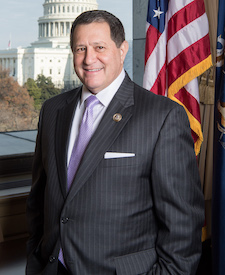
Rep. Joseph D. Morelle
Sponsored bills
Maddy summaryThe Poll Worker Tax Cut Act (H.R. 8342) proposes to reduce the federal income tax burden for individuals who serve as temporary poll workers during elections. It amends the Internal Revenue Code to exclude compensation received by poll workers from their gross income for federal income tax purposes. However, this exclusion would not apply to employment taxes, meaning poll worker compensation would still be subject to taxes like Social Security and Medicare. These changes would take effect for compensation received after December 31, 2025.
Maddy summaryHR 8295, the Protecting Families from Fertility Fraud Act of 2026, creates a new federal crime for knowingly misrepresenting the nature or source of DNA used in assisted reproductive technology or assisted insemination. This directly affects fertility clinics, practitioners, and patients undergoing such procedures. Individuals found guilty could face up to 10 years in prison, a fine, or both. The bill defines federal jurisdiction for these offenses, primarily involving interstate commerce, and extends the statute of limitations to 10 years after identification through DNA testing. It also adds this new crime to the list of "racketeering activities" under federal law.
Maddy summaryThe Senior Hunger Prevention Act of 2026 aims to reduce food insecurity among older adults and people with disabilities by modifying and expanding federal nutrition assistance programs. It streamlines the Supplemental Nutrition Assistance Program (SNAP) by extending certification periods to 36 months for these groups, creating simplified application processes, and establishing a standard medical expense deduction. The bill also expands eligibility for the Commodity Supplemental Food Program and the Seniors Farmers' Market Nutrition Program to include adults with disabilities, while increasing funding and benefits for these programs. Additionally, it establishes a pilot program for SNAP enrollment outreach, creates a new program to reimburse retail food stores for grocery delivery to eligible participants, and provides funding for farmers' market infrastructure and local produce procurement.
Maddy summaryThe Maternal Vaccination Act amends the Public Health Service Act to expand a federal campaign focused on increasing vaccination rates among pregnant and postpartum individuals and their children. This legislation directly affects public health programs by updating language to explicitly include these populations and directing funding toward outreach efforts that address disparities among racial and ethnic minority groups. Key provisions modify existing sections of the Public Health Service Act to broaden the campaign's scope and increase the authorized funding amount from $15 million to $17 million per fiscal year for the period 2027 through 2031. The bill aims to improve vaccination equity by ensuring federal resources specifically target maternal and pediatric immunization efforts.
Maddy summaryThis concurrent resolution formally recognizes the ongoing disparity between wages paid to men and women in the United States and reaffirms Congress's commitment to supporting equal pay. It highlights statistical data showing that women earn approximately 81 cents for every dollar earned by men, with significant variations across racial and ethnic groups, and notes that the gender wage gap has widened over the past two years. The document also identifies contributing factors such as occupational segregation, lack of family-friendly workplace policies, and workplace harassment, while emphasizing the economic impact on women's retirement security and family incomes.
Love Lives On Act of 2025 This bill extends entitlement for various benefit programs and services for surviving spouses of deceased members of the Armed Forces or veterans. The bill provides that the remarriage of a surviving spouse must not bar the furnishing of dependency and indemnity compensation or special pension benefits to such spouse. Additionally, the Department of Defense may not terminate the payment of an annuity for a surviving spouse under the Survivor Benefit Plan solely because the surviving spouse remarries. The bill also expands the definition of a dependent under TRICARE to include a remarried widow or widower whose subsequent marriage has ended due to death, divorce, or annulment.
Extending WIC for New Moms Act This bill amends the Special Supplemental Nutrition Program for Women, Infants, and Children (WIC) to extend the eligibility periods for breastfeeding and postpartum women. Specifically, a state program may elect to certify a breastfeeding woman for up to 24 months (currently 1 year) postpartum. The bill also expands the eligibility period for postpartum women to up to 24 months after termination of pregnancy (currently 6 months). The Department of Agriculture must submit a report to Congress evaluating the effect of these changes to the program on (1) maternal and infant health outcomes, (2) breastfeeding rates, and (3) qualitative evaluations of family experiences under WIC.
Maddy summaryThe Energy Bills Relief Act aims to lower household energy costs and accelerate the development of low-cost, clean energy by modifying federal tax credits, expanding weatherization programs, and streamlining permitting processes. Key provisions include restoring tax incentives for renewable energy projects, increasing funding for low-income heating assistance, and requiring federal agencies to treat wind, solar, and storage projects with the same procedural fairness as oil and gas projects. The bill also establishes new incentives for upgrading the electricity grid, such as tax credits for transmission lines and grants for wildfire prevention measures, while creating mechanisms to ensure utilities serve public interests and protect consumers from price volatility.
Maddy summaryThe Fiscal Contingency Preparedness Act (HR 4642) requires the Treasury Secretary and OMB Director to annually examine how the federal government would respond to major crises like recessions, pandemics, natural disasters, or cyberattacks, including their short- and long-term fiscal impacts. It mandates these assessments be included in an existing annual report and specifies key crisis types to evaluate. The Government Accountability Office (GAO) must then review the methodology and results of these assessments within one year of the first report. The bill directly affects federal agencies responsible for fiscal planning (Treasury and OMB) but does not create new spending or alter existing programs. It focuses solely on improving preparedness through structured risk analysis.