

Maddy summaryHJRES 148 is a joint resolution seeking to block a Treasury Department rule that would have modified clean vehicle tax credits. The rule, published in the Federal Register on May 6, 2024, aimed to restrict credits for vehicles using critical minerals or battery components sourced from "Foreign Entities of Concern" and to limit credit transfers. This resolution would nullify that rule, preventing it from taking effect and preserving the existing structure of the clean vehicle credit program under Sections 25E and 30D of the tax code. It directly affects electric vehicle buyers, manufacturers, and dealers participating in the federal tax credit program.
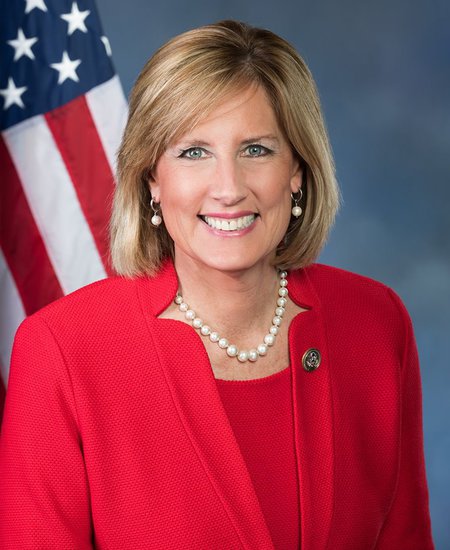
Rep. Claudia Tenney
Sponsored bills
Maddy summaryHR 9060 extends tax credits for biodiesel and renewable diesel producers and users through 2025, replacing the previous 2024 expiration date. It amends the Internal Revenue Code to extend the biodiesel credit (Section 40A) and biodiesel mixture credit (Section 6426) for fuels sold or used after December 31, 2024. The bill also adds a provision preventing double benefits by requiring the credit amount to be zero for fuels already claiming another credit under Section 45Z(a). This directly affects biodiesel producers, refiners, and businesses using these fuels for tax purposes.
Maddy summaryThis bill modifies U.S. tax depreciation rules for commercial and rental real estate. It changes the standard depreciation period for nonresidential real property (like offices) and residential rental property (like apartment buildings) to 20 years, removing bonus depreciation for these assets. It also creates a "neutral cost recovery" system that adjusts annual tax deductions based on GDP inflation data to maintain consistent tax treatment over time. These changes apply to property placed in service after the bill’s enactment date, affecting commercial property owners and rental investors through revised tax calculations.
Maddy summaryHJRES 164 is a congressional resolution seeking to block a rule issued by the Department of Commerce regarding firearms license requirements. It directly targets the rule published in the Federal Register (89 Fed. Reg. 34680), which would have revised licensing procedures for firearms dealers. If passed, the resolution would prevent this rule from taking effect by invoking the congressional disapproval process under federal law. The bill does not create new regulations but aims to halt an existing rule affecting gun license applicants and dealers.
Maddy summaryThe Revitalizing Downtowns and Main Streets Act creates a 20% tax credit for converting non-residential buildings into affordable housing. To qualify, buildings must be at least 20 years old and nonresidential, with conversion costs exceeding 50% of the building's adjusted basis or $100,000. The converted housing must be rent-restricted for 30 years for residents earning 80% or less of area median income (60% in certain designated areas), with a $12 billion national credit limit. Special provisions apply for economically distressed areas and rural historic preservation projects, primarily affecting developers who convert vacant commercial buildings in downtown or main street areas into affordable housing.
Maddy summaryThis bill prevents U.S. funding for United Nations agencies if Palestine gains any status beyond its current observer status. It amends two existing laws (from 1990 and 1994) to replace the phrase "full membership" with "any status, rights, or privileges beyond observer status" in funding restrictions. The law directly affects U.S. financial contributions to UN bodies, ensuring funds are withheld if Palestine achieves full membership or equivalent standing. It explicitly excludes Taiwan from these provisions but does not alter Palestine’s existing observer status at the UN.
Maddy summaryHR 7914, the Accountability for Terrorist Perpetrators of October 7th Act, imposes U.S. sanctions on the Popular Resistance Committees (PRC) and associated individuals or groups, including blocking property transactions and denying visas to members. The bill requires the President to enforce these sanctions 90 days after enactment, with exceptions for United Nations operations and national security activities, and allows temporary 180-day waivers for national security reasons. It also mandates a 90-day report to Congress on whether the PRC and the group "Lion's Den" meet criteria for designation as terrorist organizations under existing laws. Ongoing reports every two years will track new entities linked to the PRC.
Maddy summaryHR 8970, the Illegal Offender Registry Act, requires the Department of Homeland Security to create a public online database within 180 days of enactment. The database will list non-citizens without lawful U.S. immigration status who have been convicted of a felony and are physically present in the country, including their name, the felony crime committed, and their residential locality. This affects individuals in this specific immigration and criminal status category by making their personal details publicly accessible online through the DHS website. The bill mandates this database as a new requirement for tracking certain non-citizens with felony convictions.
Maddy summaryThis bill restricts federal agencies from engaging in voter registration or mobilization activities. It revokes Executive Order 14019 (which promoted voting access) and prohibits agencies from using federal funds to contract with nonprofits for voter registration, absentee ballot applications, or voter mobilization on agency property or websites. It also amends the Higher Education Act to ban voter registration activities in Federal Work-Study programs and requires agencies to report on past voter registration efforts within 30 days of enactment. The bill directly affects federal agencies, nonprofit organizations receiving federal funds, and college campuses operating work-study programs.
Maddy summaryThis bill prohibits federal funding for elementary and secondary schools that partner with Chinese government-funded programs, including Confucius Institutes, Confucius Classrooms, or other entities receiving support from China's government (e.g., through teaching materials, personnel, or funds). It directly affects schools with these specific ties to the People's Republic of China. The prohibition takes effect one year after enactment, with the Education Secretary required to notify schools and provide compliance guidance within 90 days of enactment. The policy change blocks federal education funds for schools meeting the defined criteria, without altering existing educational content or curriculum standards.