

Maddy summaryHCONRES 4 is a symbolic resolution expressing Congress's support for tax-exempt fraternal benefit societies (like mutual aid organizations). It recognizes these groups, which have over 7 million members nationwide, as historically and currently providing critical community benefits - including life/health insurance, charitable work, and volunteer services - valued at over $3.8 billion annually. The resolution affirms that their tax-exempt status under Section 501(c)(8) of the Internal Revenue Code remains beneficial and should continue to be promoted. This is a non-binding expression of congressional sentiment, not a policy change.
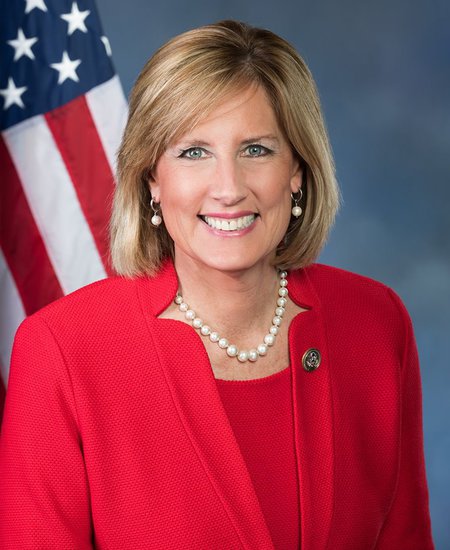
Rep. Claudia Tenney
Sponsored bills
Maddy summaryThis resolution expresses the House of Representatives' position that Congress should take steps to prevent the privatization of the United States Postal Service (USPS), ensuring it remains a federal independent agency. It highlights USPS’s constitutional role, self-sustaining nature (relying on service revenue, not taxpayer funds), and critical functions - serving 168 million addresses daily, supporting rural communities, and underpinning e-commerce. The resolution opposes privatization, noting it would raise prices, reduce services, and harm the $1.9 trillion mailing industry. As a non-binding resolution, it reflects the House’s stance but does not create new law or policy.
Maddy summaryThe STAR Act of 2025 adds a 25% tax credit for qualified semiconductor design expenses incurred by U.S. companies. It directly affects businesses conducting semiconductor design in the United States, covering both in-house costs (like wages and supplies for U.S. design work) and contracted design services. The credit excludes duplicating existing products, cosmetic design, or activities unrelated to performance or reliability improvements. This incentive expires for design expenses paid after December 31, 2036.
Maddy summaryHR 768, the Holocaust Education and Antisemitism Lessons Act, requires the U.S. Holocaust Memorial Museum Director to study how states and school districts currently teach about the Holocaust and antisemitism in K-12 schools. The study will examine curriculum requirements, teacher training, educational materials used, and assessment methods across all states and a representative sample of school districts and schools. It specifically aims to identify gaps, resources needed, and how schools address antisemitism and genocide prevention in their teaching. The Museum must submit a report to Congress within three years of the bill's enactment, detailing findings on current practices and challenges. This bill does not mandate new teaching requirements but seeks to understand existing approaches to Holocaust education.
Maddy summaryThe GORAC Act of 2025 requires the government's watchdog office (Comptroller General) to conduct a comprehensive evaluation of federal agencies and programs every 10 years, starting within one year of the bill's enactment. A non-Federal auditor will identify duplicative, wasteful, or outdated programs - recommending consolidation of agencies with identical functions or elimination of those that wasted funds, completed their purpose, or failed to meet goals. Any savings from these changes must be used to reduce the national debt, and affected federal employees must be offered relocation assistance within government positions. The bill applies broadly to most federal agencies and programs (excluding military installations and pure entitlement programs), with Congress required to consider implementation bills based on the auditor's recommendations within 15 days of submission.
Maddy summaryThe Build the Wall Act of 2025 creates a new fund called the Southern Border Wall Construction Fund to finance physical barriers along the U.S. southern border. It requires all unspent funds from the Coronavirus State and Local Fiscal Recovery Funds (originally for pandemic relief) to be transferred immediately into this new account. The Secretary of Homeland Security would then use these redirected funds to construct and maintain border barriers. This bill changes how existing federal funds are allocated, shifting resources from pandemic recovery efforts to border security infrastructure.
Maddy summaryThis bill prohibits the Department of Health and Human Services (HHS) and the Food and Drug Administration (FDA) from treating pregnancy as an illness when approving or regulating abortion drugs. It specifically bans using this framework for approvals under the Federal Food, Drug, and Cosmetic Act or for risk management strategies. The bill also nullifies existing approvals of abortion drugs (like mifepristone) that relied on treating pregnancy as an illness. This directly affects how the FDA regulates abortion medications, changing the basis for their safety and efficacy evaluations.
Maddy summaryThe Second Chance for Moms Act (HR 796) requires a new warning label on mifepristone - a medication used for medical abortions - stating that natural progesterone may counteract its effects and increase fetal survival, with a hotline reference for further information. It also mandates a federal 24/7 hotline providing support and referrals exclusively to healthcare providers offering "abortion pill reversal" services. This bill directly affects patients prescribed mifepristone and healthcare providers who dispense the medication, as the label must appear on packaging and the hotline must be established. The warning label would take effect six months after enactment, and the hotline would operate under the Public Health Service Act.
Maddy summaryHR 797, the Ultrasounds Save Lives Act of 2025, requires abortion providers to perform an ultrasound before an abortion (except in medical emergencies) and share the results with the patient. It mandates a specific informed consent form detailing the fetus's gestational age, medical risks, developmental stage (including heartbeat and organ development), and provider penalties for non-compliance. Violations trigger civil penalties of $100,000-$250,000 per incident, plus private lawsuits allowing patients to seek triple the abortion cost in damages. The law applies to licensed medical providers and those legally authorized to perform abortions, with exceptions only when ultrasound poses a direct risk to the patient's life or major bodily function.
Maddy summaryHR 817, the Educational Choice for Children Act of 2025, creates a new tax credit allowing individuals to claim up to 10% of their adjusted gross income (capped at $5,000) for charitable contributions to scholarship granting organizations. These organizations provide education scholarships to eligible students from households with income not exceeding 300% of the area median gross income, covering qualified expenses like tuition, curriculum materials, and educational therapies. The bill establishes strict requirements for scholarship organizations, including verifying household income, conducting annual audits, and distributing scholarships to multiple students without government control. It also prohibits government entities from mandating or controlling scholarship organizations or excluding private or religious schools from receiving scholarship funds, while exempting scholarship amounts from taxable income for recipients. The tax credit is limited to $5 billion annually for 2025-2028, allocated on a first-come, first-serve basis.