

Maddy summaryThis bill expands U.S. law enforcement cooperation with Canada by creating new legal mechanisms for joint cross-border operations. It allows U.S. agencies to grant foreign officers (like Canadian customs agents) the same legal privileges during joint work, cover liability claims arising from overseas operations, and formally station U.S. and Canadian officers in each other's countries for border security. The law directly affects U.S. Customs and Border Protection, Homeland Security, and Canadian law enforcement through these expanded partnership tools. It modifies existing laws (Tariff Act, Homeland Security Act) to streamline international collaboration without changing border policies.
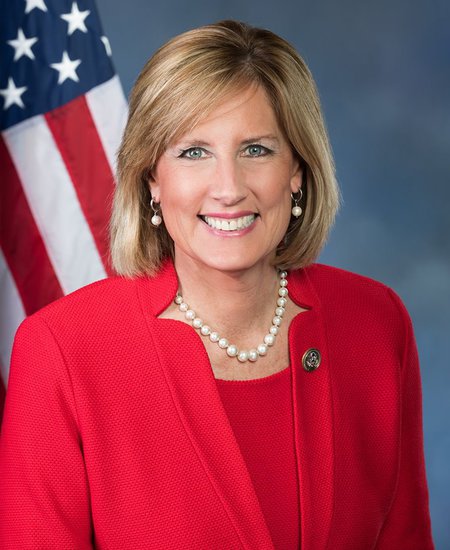
Rep. Claudia Tenney
Sponsored bills
Maddy summaryHRES 719 is a House resolution honoring Charles "Charlie" James Kirk, the founder of Turning Point USA who was assassinated on September 10, 2025. The resolution condemns his assassination and all political violence, extends condolences to his family, and calls on Americans to reject violence while promoting civil discourse. It specifically recognizes Kirk's legacy as a defender of constitutional principles and his role in inspiring youth through free speech and faith-based civic engagement. As a commemorative resolution, it does not enact policy changes but formally expresses the House's stance on honoring his life and legacy.
Maddy summaryThis bill authorizes the posthumous presentation of a Congressional Gold Medal to Welles Remy Crowther, a volunteer firefighter and equities trader who died saving others during the September 11, 2001, attacks. The medal, designed by the Treasury Secretary, will be given to Crowther’s mother, Alison Crowther, following a formal presentation by congressional leaders. The bill also permits the U.S. Mint to sell bronze duplicates of the medal at cost to cover production expenses. It is a purely commemorative measure with no legislative or regulatory impact.
Maddy summaryHR 5529, the Fair Housing for Disabled Veterans Act, changes how veteran disability payments are treated when determining eligibility for low-income housing programs. Specifically, it amends the tax code to exclude disability compensation or pension payments (under 38 U.S.C. chapters 11 or 15) from income calculations for low-income housing tax credits and residential rental project bonds. This means disabled veterans applying for these housing assistance programs will not have their disability benefits counted as income, potentially making them eligible for more housing options they otherwise might have been disqualified from. The bill directly affects disabled veterans seeking affordable housing through these federally supported programs.
Maddy summaryHRES 744 is a non-binding House resolution supporting the designation of September 21-27, 2025, as "Gold Star Families Remembrance Week." It honors families who lost members in military service (Gold Star Families) and families of veterans, recognizing their sacrifices. The resolution encourages Americans to observe the week through community service and by celebrating the lives of those who died defending the U.S. It does not create new laws or policies but formally recognizes these families annually. This is a commemorative measure, not a legislative change.
Maddy summaryHRES 742 is a ceremonial resolution recognizing the 250th anniversary of the U.S. Navy's founding on October 13, 1775, when the Continental Congress established the first U.S. naval force. It formally acknowledges the Navy's historical role in protecting American interests and its current global presence (over 290 ships, 3,700 aircraft, and 500,000 personnel). The resolution expresses appreciation for Navy personnel past and present and reaffirms congressional support for the Navy as a key element of national defense and global stability. As a commemorative resolution, it has no policy or funding impact - it serves only to honor the Navy's legacy.
Maddy summaryHRES 737 designates September 22 as "National Veterans Suicide Awareness and Remembrance Day" and officially recognizes the Suicide Awareness and Remembrance (SAR) Flag as a national symbol. The resolution requires all federal buildings to display the SAR Flag year-round alongside the American and POW/MIA flags. This resolution aims to raise public awareness about veteran suicide, reduce stigma around mental health care, and honor veterans who died by suicide.
Maddy summaryThe SEVER Act amends existing law to deny visas to representatives of foreign governments who serve at the United Nations and are subject to sanctions under Executive Order 13876 (relating to Iran). It directly affects UN delegates from countries targeted by these specific Iran sanctions. The key provision adds a new category to visa denial criteria, requiring U.S. visa officials to block entry for such representatives based on existing sanctions authority. This change modifies Section 407(a)(1) of the Foreign Relations Authorization Act without creating new sanctions or altering the underlying Iran policy.
Maddy summaryThe Make America's Youth Healthy Again Act of 2025 establishes a new President’s Council on Sports, Fitness, and Nutrition to advise the President on youth health initiatives. The Council, appointed by the President with up to 30 members serving two-year terms, will recommend strategies to reinstate the Presidential Fitness Test, develop school-based physical education programs, expand community sports access, and address childhood obesity as a national security concern. Key provisions include advising on fitness goals for American youth, promoting partnerships with sports organizations, and emphasizing active lifestyles and nutrition. The Council will terminate two years after enactment unless extended by the President. This bill directly affects federal policy coordination for youth fitness programs but does not create new funding or mandate changes to existing laws.
Maddy summaryHR 5462, the Michelle Alyssa Go Act, changes Medicaid rules to exclude small mental health facilities with 36 beds or fewer from the definition of "institution for mental diseases" if they meet specific national standards. This directly affects small mental health and substance use disorder treatment facilities (36 beds or less) that comply with evidence-based standards for services, care hours, staffing, and clinical programs. The bill modifies Medicaid funding eligibility by removing these small facilities from the restrictive "institution" category, allowing them to remain eligible for Medicaid coverage under state plans. The change takes effect 180 days after the law is enacted, applying to all state Medicaid plans starting then.