

Maddy summaryHR 1524 (FAIR Act of 2023) prohibits federal agencies, contractors, and recipients of federal funds from intentionally discriminating against or granting preferences based on race, color, or national origin. It directly affects federal contractors, state/local entities receiving federal aid, and educational institutions using federal funds by banning preferential treatment (including quotas or set-asides) in contracts, employment, and admissions. Key provisions require federal agencies to review and update policies within six months of enactment to comply with the ban. The bill does not impact immigration laws or pending cases/contracts but allows civil lawsuits for violations with remedies like back pay and attorney fees.
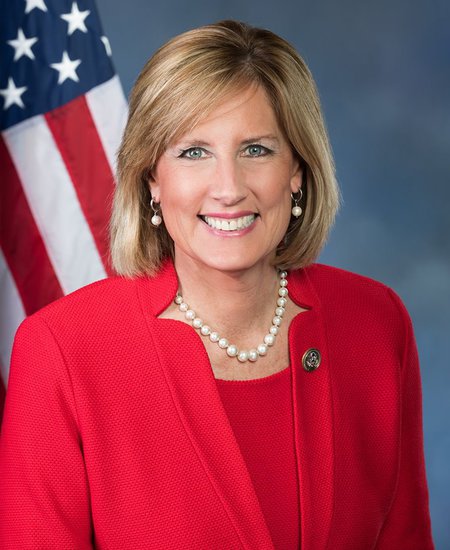
Rep. Claudia Tenney
Sponsored bills
Maddy summaryThe POWER Act of 2023 prevents the President from blocking or delaying new oil, gas, coal, or mineral leases on federal lands without explicit Congressional approval. It specifically stops executive actions that would delay or cancel permits for energy development on National Forests, public lands, the outer continental shelf, or energy-managed lands. The bill requires Congress to pass new laws if it wants to restrict energy leasing or withdraw land from development under existing federal land laws. This directly affects energy companies seeking to develop resources on federal property by limiting executive authority over lease approvals.
This joint resolution proposes a constitutional amendment that prohibits an individual who is not a U.S. citizen from voting in federal, state, or local elections for public office or voting on any ballot initiative or referendum held in the United States.
Maddy summaryThis bill amends U.S. financial sanctions law to require the Treasury Secretary to specifically consider whether foreign banks knowingly provide banking services (including personal accounts) to entities designated under the Taylor Force Act, which targets groups that murder U.S. citizens. It directs Treasury to designate as "of primary money laundering concern" foreign banks that facilitate terrorism payments, particularly those using U.S. correspondent accounts. The law adds two new factors for Treasury to evaluate: (1) whether a bank knowingly serves entities listed in the Taylor Force Act regulations, and (2) whether the bank’s accounts or transactions help fund acts of terrorism. This directly affects foreign financial institutions operating in the U.S. financial system that may inadvertently or intentionally support terrorist organizations.
Maddy summaryHR 1388 authorizes the minting of commemorative coins to honor the 1865 Sultana steamboat disaster, the deadliest maritime tragedy in U.S. history. It specifies three coin types ($5 gold, $1 silver, and half-dollar) with defined weights and compositions, to be sold at face value plus surcharges ($35, $10, and $5 per coin, respectively). All surcharges collected will fund the Sultana Historical Preservation Society for museum development, including exhibits, artifact preservation, and facility construction. The coins are legal tender but intended for collectors, with sales limited to a one-year period starting January 2023.
Sergeant Gary Beikirch Medal of Honor Act This bill allows a surviving spouse of a Medal of Honor recipient to receive a special pension concurrently with dependency and indemnity compensation.
Maddy summaryHR 1374 would prohibit colleges and universities receiving federal funds under the Higher Education Act from requiring COVID-19 vaccines for students or staff. If a school enforces such a mandate, it would lose access to those federal funds for as long as the mandate remains in place. The bill defines a "vaccine mandate" as any requirement for a COVID-19 vaccine tied to admission, enrollment, or employment. This policy change directly affects public and private colleges participating in federal student aid programs. It uses funding eligibility as the mechanism to end vaccine requirements at these institutions.
This resolution expresses that Secretary Pete Buttigieg (1) has failed to keep the American people safe in his duties as Secretary of Transportation, (2) has failed to ensure goods flow efficiently through the U.S. economy, (3) has lost the confidence of the American people, and (4) should resign.
Maddy summaryHR 1275 prohibits federal funding from being used to implement Executive Order 14091, which directed federal agencies to advance racial equity and support underserved communities. The bill directly affects federal agencies that would have allocated taxpayer funds toward programs or initiatives under the executive order. Its key provision blocks all federal financial resources for the order's requirements, preventing agencies from carrying out its equity-focused actions. This policy change stops the government from using public money to support the specific racial equity initiatives outlined in the executive order.
No Retaining Every Gun In a System That Restricts Your Rights Act This bill modifies the retention requirements for firearm transaction records of federal firearms licensees (FFLs) that go out of business. Current law generally requires FFLs that go out of business to deliver their firearm transaction records to the Bureau of Alcohol, Tobacco, Firearms and Explosives (ATF). This bill removes the requirement for FFLs that go out of business to deliver their firearm transaction records to the ATF. Further, the bill requires the ATF to destroy all out-of-business records it has collected from FFLs.