

Maddy summaryHR 8603, the Dismemberment Abortion Ban Act of 2026, prohibits physicians from performing abortions that involve dismembering an unborn child and extracting it piece by piece or crushed from the uterus. The law allows exceptions only when the procedure is necessary to save the mother's life, while explicitly permitting other abortion methods for reasons such as rape or incest. It imposes criminal penalties of up to two years in prison or fines on physicians who violate the ban and creates a civil lawsuit system where women or parents of minors can seek monetary damages and attorney fees against providers. The bill also defines an 'unborn child' as a human organism from fertilization until birth and clarifies that the woman undergoing the procedure cannot be prosecuted or held financially liable.
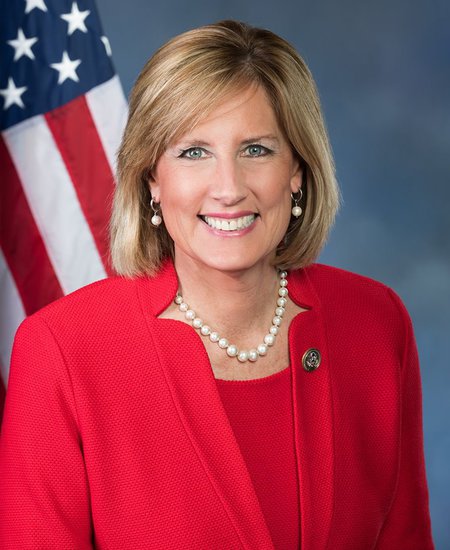
Rep. Claudia Tenney
Sponsored bills
Maddy summaryThe Closing Bankruptcy Loopholes for Child Predators Act of 2026 modifies federal bankruptcy laws to ensure that individuals and organizations accused of sexually abusing children cannot easily hide their assets or avoid financial responsibility. Key provisions include preventing the discharge of debts related to child sexual abuse, requiring courts to hold special conferences for victims to share their experiences, and mandating independent forensic audits for nonprofit organizations facing such allegations. The bill also restricts the ability of debtors to release third parties from liability without strong voter approval and prohibits sealing evidence related to these crimes, except to protect a victim's identity when the accused is found not guilty.
Maddy summaryThis bill renames a U.S. Postal Service facility at 2200 South Salina Street in Syracuse, New York, as the "Wallie Howard Jr. Post Office Building." All official references in federal laws, documents, or records to this specific location will now use the new name. The bill has no policy impact beyond this administrative designation.
Maddy summaryThis resolution formally condemns the attempted assassination of President Donald J. Trump on April 25, 2026, as well as previous attempts in 2024, and recognizes the critical role of the Department of Homeland Security. The bill expresses gratitude to law enforcement officers who responded to the attack and affirms the Secret Service's responsibility for protecting the President. Additionally, it calls on Americans to unite against political violence and condemns those who incite attacks against public officials.
Clergy Act This bill establishes a two-year window for certain members of the clergy and Christian Science practitioners to revoke their exemption from Social Security and Medicare taxes on ministerial earnings. Under current law, such individuals who object to participation in public insurance programs on religious or conscientious grounds may apply to the Internal Revenue Service (IRS) for an irrevocable exemption and will not receive Social Security or Medicare benefits in retirement unless they have qualifying credits from other employment. The IRS must develop a plan to inform members of the clergy and Christian Science practitioners of their eligibility to revoke prior exemptions, pursuant to the bill's changes.
Maddy summaryThe Timely Access to Coverage Decisions Act of 2026 establishes strict deadlines for Medicare contractors to review and decide on requests regarding local coverage rules, ensuring that complete requests are resolved within one year and incomplete ones are addressed within 60 days. To improve transparency, the bill mandates that new or significantly revised local coverage decisions go through a public process involving published drafts, open meetings with remote access options, expert panel advice, and a 30-day window for written public comments before they take effect. Additionally, the law requires the Secretary to review reconsideration decisions if requested by interested parties, such as patients, providers, or other entities, to check for errors in evidence interpretation or legal application. These measures aim to create a more predictable and open system for determining which medical items and services are covered under Medicare in specific geographic areas.
Maddy summaryThe Supporting Energy and Economic Development (SEED) Act extends tax credits for biodiesel and renewable diesel production through 2029. It prevents taxpayers from receiving both the production credit and the fuel use credit for the same fuel, ensuring only one benefit is claimed. These changes apply to fuel sold or used after the bill becomes law.
Maddy summaryThis House Resolution proposes to formally "expunge" the two impeachments of President Donald Trump that passed the House of Representatives on December 18, 2019, and January 13, 2021. If passed, the resolution specifies that these impeachments would be treated "as if such Articles had never passed the full House of Representatives." This action directly affects President Trump by aiming to remove these impeachment proceedings from his official record and would alter the historical legislative record of the House. The resolution's text outlines several reasons for this action, including claims of wrongful accusations, lack of due process, and political bias in the original impeachment proceedings.
Maddy summaryHR 5543, the Baltic Security Assessment Act of 2025, requires the U.S. State and Defense Departments to submit a report within 180 days of enactment. The report will assess emerging military, cyber, hybrid, and political threats to Estonia, Latvia, and Lithuania, including the roles of Russia, Belarus, China, Iran, and other actors. It will also evaluate U.S. and NATO military presence in the region, opportunities for defense cooperation, and recommendations to strengthen deterrence, cybersecurity, and democratic resilience in the Baltic countries. This bill directly affects U.S. foreign policy and defense planning regarding the Baltics, but does not create new programs or funding.
Maddy summaryThe Small Business Tax Cut Act increases the qualified business income deduction from 20 percent to 23 percent for eligible taxpayers, directly affecting small business owners and investors. The bill modifies income thresholds that limit this deduction for higher earners and extends the phase-in rules for taxable income above certain limits. Additionally, it allows dividends from qualified business development companies to be treated similarly to qualified REIT dividends for deduction purposes. These changes apply to taxable years beginning after December 31, 2026.