

Maddy summaryHR 1217, the Orphan Well Grant Flexibility Act of 2025, amends federal grant rules for cleaning up orphaned oil and gas wells by removing the requirement for states to measure methane emissions as a condition for receiving funding. It allows states to use estimated data from well plugging projects (without needing to collect new monitoring data) for reporting purposes. The bill also mandates a National Academies study to analyze how well-plugging activities affect local economies, housing, and water quality in communities where many wells are cleaned up, requiring input from all U.S. regions and agencies like HUD. This study must be completed within 18 months after the final grant is awarded, using existing federal funding.
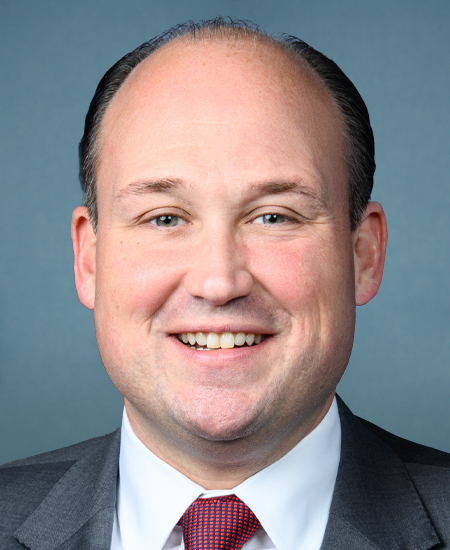
Rep. Nicholas A. Langworthy
Sponsored bills
Maddy summaryHR 1195, the Protect Medicaid Act, prohibits federal Medicaid funds from covering administrative costs related to health benefits provided to unauthorized immigrants who lack lawful immigration status and are ineligible for Medicaid. This directly affects states that currently provide such benefits, requiring them to separate these administrative costs from general Medicaid program expenses. The bill adds a new provision to the Social Security Act clarifying that federal funds cannot be used for these specific administrative costs, while allowing funds for systems designed to enforce this rule. It also mandates an Inspector General report detailing how states separate costs, ensure compliance, finance these programs (e.g., through provider taxes), and the impact on drug pricing for this population.
Maddy summaryHR 1207 transfers the administration of the Food for Peace Act's food aid programs from USAID to the Department of Agriculture. This means the Agriculture Secretary, not the USAID Administrator, will now handle all related functions, including managing assets, grants, and rules for distributing U.S. food aid overseas. The bill requires immediate implementation upon enactment, with references in law automatically updating to the Agriculture Secretary, and allows for swift interim rules to maintain program continuity. It also specifies that the Famine Early Warning Systems Network will continue under Agriculture, and the Department must consult with the State Department on certain aspects of the program.
Maddy summaryThe Laken Riley Act expands mandatory detention for immigrants convicted of certain property crimes like burglary, theft, or shoplifting by adding these offenses to existing immigration detention criteria. It requires the federal government to issue detainers for such individuals and take custody if not detained by local authorities. The bill also grants state attorneys general standing to sue federal officials in federal court if they believe immigration enforcement actions (like releasing detained immigrants) cause the state financial harm exceeding $100. This creates new legal pathways for states to challenge federal immigration decisions through expedited lawsuits.
Maddy summaryThe Protecting American Energy Production Act (HR 26) states that Congress believes states should have primary authority to regulate hydraulic fracturing (fracking) for oil and natural gas on state and private lands. It prohibits the President from imposing a moratorium on fracking without a new law passed by Congress. This bill directly affects federal executive authority by preventing unilateral federal bans and reinforces state regulatory roles. The key provision ensures any federal restriction on fracking would require a specific act of Congress, rather than executive action.
Maddy summaryThe HALT Fentanyl Act (HR 27) creates a new category of Schedule I controlled substances for "fentanyl-related substances" defined by specific chemical modifications to fentanyl. This law directly affects researchers, medical professionals, and law enforcement by expanding the legal definition of fentanyl-related substances to include many structurally similar compounds. Key provisions include streamlined registration processes for research on these substances, allowing researchers to conduct studies with expedited procedures if related to FDA-approved drug development or government-funded research. The bill requires the Attorney General to issue implementing rules within six months and includes penalties for violations involving these substances.
Maddy summaryThis bill expands 529 college savings account flexibility by allowing funds to cover costs for industry-recognized postsecondary credentials, not just traditional degrees. It defines "qualified expenses" to include tuition/fees for recognized credential programs (like certifications or apprenticeships), required testing fees, and continuing education needed to maintain credentials. To qualify, programs must meet specific criteria, such as appearing on state lists under the Workforce Innovation and Opportunity Act or being listed in VA or Defense directories. The change applies to 529 distributions made after the law's enactment, giving families more options to use these accounts for job-focused training.
This bill allows a national of the Czech Republic to qualify for E-1 nonimmigrant status if the Czech Republic provides similar nonimmigrant status to U.S. nationals. E-1 classification allows nationals of certain countries (i.e., those with a treaty of commerce and navigation with the United States, those under a qualifying international agreement, or those deemed to qualify through statute) to be admitted solely to engage in international trade, along with their families and employees.
Maddy summaryHR 1076, the WARN Act, requires the Comptroller General to study how well local, state, and federal emergency alert systems share timely weather emergency information during events like storms or power outages. The study will examine alert methods (including social media), the clarity of public messages, and outdoor siren systems, using feedback from emergency managers and community groups. It mandates a report to Congress within 18 months of enactment, focusing on identifying improvements to alert systems for public safety. The bill itself does not change existing policies but directs a review to inform future emergency communication strategies.
Maddy summaryThe CARGO Act of 2025 prohibits the National Institutes of Health (NIH) from funding any research involving live animals conducted outside the United States. It directly affects foreign organizations and researchers who previously received NIH grants for animal research abroad, including projects funded under the $2.2 billion in grants from 2011-2021. The key provision amends the Public Health Service Act to ban NIH support for such overseas research, requiring all animal research funded by the NIH to occur within the U.S. (including territories and the District of Columbia). This change aims to address concerns about inadequate oversight of animal welfare in foreign labs where self-reported data may be inaccurate.