

Maddy summaryHR 7770, the Rosie the Riveter Commemorative Coin Act, authorizes the U.S. Mint to produce and sell three commemorative coins honoring women who worked on the U.S. home front during World War II. It specifies $5 gold coins (max 50,000), $1 silver coins (max 400,000), and half-dollar coins (max 750,000), all to be issued between January 1, 2025, and December 31, 2025. Each coin sale includes a surcharge ($35 for gold, $10 for silver, $5 for half-dollar), with all surcharge funds directed to the Rosie the Riveter Trust for maintaining the Rosie the Riveter WWII Home Front National Historical Park and educational programs. The coins will feature designs reflecting the legacy of diverse women workers and must meet specific weight, diameter, and composition standards.
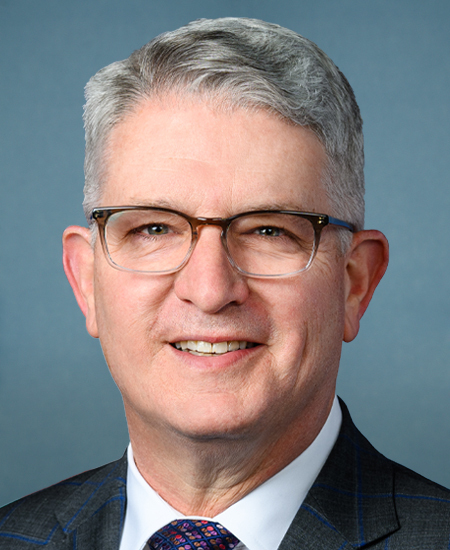
Rep. Brandon Williams
Sponsored bills
Maddy summaryHR 6610, the Passport System Reform and Backlog Prevention Act, aims to reduce delays in U.S. passport processing for citizens applying for routine new or renewal passports. It mandates a 30-day processing standard from document submission to mailing, requires technology upgrades like digital tracking dashboards and mobile apps for applicant updates, and authorizes hiring up to 100 temporary staff annually for passport offices. The bill also sets cybersecurity standards, maintains affordable fees, and requires regular progress reports to Congress on implementation. These changes directly affect U.S. citizens seeking passports, particularly those in remote areas with limited access to processing centers.
Maddy summaryHR 7725 would block federal funding for graduate medical schools that require students or staff to adopt specific statements about race, gender, or identity (like claiming systemic racism or collective guilt), use race-based distinctions in admissions or programs, maintain DEI offices, or mandate "diversity statements" for admission. It directly affects graduate medical schools at colleges/universities receiving federal financial aid, including student loans. The bill exempts medical education about race-related health needs, demographic data collection for reporting, and religious institutions from adhering to policies conflicting with their beliefs. Schools violating these rules would lose eligibility for federal funds, though they could still comply with anti-discrimination laws and provide general academic instruction.
Maddy summaryThis resolution urges the International Seabed Authority (ISA) to adopt regulations enabling the collection of critical minerals - such as nickel, cobalt, and manganese - from the Clarion-Clipperton Zone (CCZ) in the Pacific Ocean. The CCZ contains an estimated 21 billion tons of polymetallic nodules, potentially exceeding global land-based reserves for these minerals. The resolution argues that accessing these resources would help the U.S. develop domestic supply chains for clean energy and defense technologies, reducing reliance on China’s current dominance in critical mineral markets. It specifically calls on the ISA to finalize these regulations by 2025 to support U.S. economic and strategic interests.
Maddy summaryHR 7669, the Right to Try IVF Act of 2024, prevents federal funding from being withheld from states that restrict IVF access for individuals with documented medical infertility. The bill specifically prohibits the use of federal funds from the State Maternal and Child Health Services Block Grant program (Title V of the Social Security Act) for any state that bans licensed physicians from performing IVF on patients with a physician-diagnosed medical hardship in conceiving a child. It directly affects states receiving these federal funds by requiring them to allow IVF for medically necessary cases or risk losing the funding. The key mechanism is linking federal financial support to state policies regarding IVF access for infertility treatment. The bill does not directly change IVF access for individuals but uses federal funding leverage to influence state regulations.
Maddy summaryThis bill amends U.S. immigration law to automatically bar immigrants from entering the country and require their removal if they have been convicted of, admitted to committing, or are charged with sexual assault. It directly affects non-citizens (aliens) who have been involved in sexual assault offenses, as defined under existing law. Key provisions add new grounds for inadmissibility (preventing entry) and deportability (requiring removal) specifically for such offenses under sections 212(a)(2) and 237(a)(2) of the Immigration and Nationality Act. The bill does not change criminal penalties for sexual assault but modifies immigration consequences for those with such convictions or admissions.
Maddy summaryHR 7629, the Protect Our Letter Carriers Act of 2024, allocates $1.4 billion annually (2025-2029) to the U.S. Postal Service for high-security collection boxes and replacing physical universal mailbox keys with electronic versions, directly affecting USPS operations and letter carriers. It requires the Attorney General to appoint specialized prosecutors in each district to coordinate investigations and prosecutions of postal-related crimes, such as assaults on carriers or mail theft. The bill also mandates the U.S. Sentencing Commission to adjust guidelines so that assaults or robberies against postal employees are treated with the same severity as assaults against law enforcement officers. These provisions aim to enhance safety through infrastructure upgrades, improved prosecution, and stricter sentencing for crimes targeting postal workers.
Maddy summaryThe Laken Riley Act (HR 7511) would require federal authorities to detain non-citizens charged with or convicted of burglary, theft, larceny, or shoplifting offenses. It also creates new legal standing for state attorneys general to sue federal immigration officials in federal court if they believe immigration enforcement decisions (like releasing aliens or granting parole) cause financial harm exceeding $100 to the state or its residents. The bill amends immigration laws to expand detention requirements for certain property crimes and allows states to seek court orders to enforce immigration policies. It does not create new criminal penalties but modifies existing immigration enforcement procedures. The bill’s findings and political language about the Laken Riley case are not part of its policy provisions.
Maddy summaryThe Stop CMV Act of 2024 requires hospitals and healthcare entities caring for infants under 21 days old to administer congenital Cytomegalovirus (CMV) screening tests. It mandates states to establish screening standards within two years of enactment, with federal oversight by the Advisory Committee on Heritable Disorders if states fail to act. The bill allocates federal grants to states for implementing screening, improving data systems, and funding research on CMV diagnostics, prevention, and treatments through the National Institutes of Health. These provisions directly affect newborns, hospitals, and state health agencies by standardizing early CMV detection and supporting related public health efforts.
Maddy summaryHR 7566, the CARTEL Act of 2024, requires U.S. Customs and Border Protection (CBP) to publish monthly public reports on border statistics, including encounters with individuals in the terrorist screening database (both attempts and apprehensions) and those affiliated with transnational criminal organizations. The bill mandates specific data points like total encounters, drug seizures, gang affiliations, and whether apprehended individuals were released or removed. Additionally, it requires the Secretary of Homeland Security to submit an annual report to Congress assessing foreign terrorist organizations and transnational criminal organizations attempting to enter the U.S. through border regions. This bill directly affects CBP (as the reporting entity) and provides the public and Congress with detailed, monthly border enforcement data.