

Maddy summaryHR 1069, the Clean Energy Demonstration Transparency Act of 2023, requires the Department of Energy to provide detailed reports to specific congressional committees every six months about federally funded clean energy demonstration projects. The reports must include copies of initial contracts, a list of completed or missed milestones, and any major changes to project scope, schedule, or funding. This applies to projects administered under the Infrastructure Investments and Jobs Act and directly affects the Department of Energy and the project recipients receiving federal funding. The bill aims to increase transparency for congressional oversight without changing funding levels or project requirements.
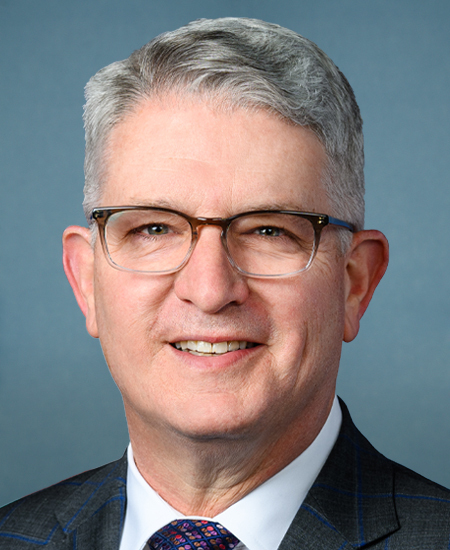
Rep. Brandon Williams
Sponsored bills
Maddy summaryHR 8163, the FORKS Made in America Act, adds stainless steel flatware to the Berry Amendment, which requires the U.S. military to purchase certain items made in America. This change directly affects the Department of Defense's procurement of stainless steel flatware (including forks, spoons, and knives) for use in military facilities, effective October 1, 2023. The bill expands the existing list of covered items under the Berry Amendment to include this specific kitchenware category, ensuring such purchases must be domestically produced. It does not alter existing requirements for other military equipment or create new funding.
Maddy summaryHR 8129, the American Nuclear Workforce Act, creates a Department of Energy initiative to strengthen nuclear workforce development. It directs the Secretary of Energy to encourage states to enhance nuclear science education at "covered schools" (defined as schools within 25 miles of operating nuclear plants or developers, or designated by the Secretary). Key provisions include promoting relevant degrees (like nuclear engineering), arranging plant tours for students, establishing industry mentorship programs, and leveraging campus research reactors for student training. The bill directly affects schools near nuclear facilities and aims to connect students with internships, scholarships, and career opportunities in the nuclear energy sector.
Maddy summaryThis bill requires public colleges and universities that receive federal student aid to adopt and disclose free speech policies that protect students from political discrimination. It prohibits schools from requiring applicants or faculty to pledge support for specific political views or diversity initiatives, and mandates clear policies about speech, association, and religion. The bill also protects student organizations' rights to form single-sex groups, receive funding without viewpoint discrimination, and have appeal processes if denied recognition. Schools that fail to comply could lose eligibility for federal student aid programs.
Maddy summaryThe VA Security Screening Pilot Program Act establishes a two-year pilot program to test weapon screening technology at the primary entrances of one selected Veterans Health Administration (VHA) medical center network (VISN). It requires the VA Secretary to implement the program within one year of enactment, with exceptions allowed for centers already using such technology or facing staffing shortages. The pilot mandates a final report to Congress after completion, evaluating the technology's effectiveness, gathering satisfaction surveys from veterans, staff, and police, and assessing whether current security policies need updating. This program directly affects VA medical centers in the selected VISN and the veterans who visit them, without permanently changing security policies.
Maddy summaryThis House resolution condemns Iran's April 13, 2024 attack on Israel, which involved over 350 drones and missiles launched directly from Iran. It affirms support for Israel's right to self-defense, commends international efforts (including U.S., U.K., French, and Jordanian intercepts) that minimized damage, and calls for enforcing U.S. sanctions against Iran to disrupt its missile programs and support for proxies like Hamas and Hezbollah. As a non-binding resolution, it expresses congressional support without creating new laws or funding.
Maddy summaryHR 8061, the Crime Victims Fund Stabilization Act of 2024, ensures stable funding for the Crime Victims Fund by directing certain False Claims Act collections into it from 2024 through 2029. Specifically, it adds a provision requiring that amounts collected under the False Claims Act (excluding whistleblower rewards and government reimbursement for damages) be deposited into the fund during this period. This directly affects crime victims who rely on the fund for services like counseling and emergency aid, as it prevents potential shortfalls in funding. The bill makes a concrete policy change by redirecting specific federal civil penalties into the fund, rather than altering the fund's existing purposes or eligibility rules.
Maddy summaryHR 5947 terminates specific U.S. waivers and licenses related to Iran, ending a 2023 waiver that allowed funds transfer from South Korea to Qatar. It prohibits the Treasury Department from reissuing similar waivers or licenses for the same purpose and blocks the President from granting Iran access to certain designated financial accounts established under prior laws. The bill directly affects U.S. foreign policy implementation by restricting how Treasury handles Iran-related financial transactions. It enacts concrete policy changes by ending existing authorizations and preventing future approvals for Iran to access specific accounts.
Maddy summaryHR 5530, the VA Emergency Transportation Access Act, prevents the Department of Veterans Affairs (VA) from lowering payment rates for specialized transportation used by veterans and eligible individuals (like ambulances or wheelchair vans) without strict requirements. It mandates that any rate change that could reduce access to care must first undergo a detailed review analyzing economic impacts on the VA and transportation industry, and ensure the new rate covers actual costs. The VA must also develop a formal process for rate changes and consult with industry experts, veterans' groups, and healthcare agencies before implementing such changes. This bill directly affects veterans relying on specialized transportation for medical care, particularly those in rural or underserved communities, by safeguarding their access to necessary emergency transport services.
Maddy summaryHRES 1148 is a resolution passed by the U.S. House of Representatives that condemns the Iranian government for supporting terrorism, regional proxy conflicts, and internal suppression of dissent - including its crackdown on protests following Mahsa Amini's death in 2022. It specifically calls for maintaining sanctions against Iran, supporting the Iranian Resistance's Ten-Point Plan (which advocates for a democratic, secular, nonnuclear Iran), and protecting Iranian political refugees in Albania. The resolution also affirms the Iranian people's right to self-determination under international law and urges the U.S. to recognize their struggle for freedom. As a non-binding resolution, it does not create new laws but formally expresses congressional stance.