

Maddy summaryHR 549, the Metastatic Breast Cancer Access to Care Act, removes waiting periods for disability and Medicare coverage for people diagnosed with metastatic breast cancer. Specifically, it amends Social Security Act sections to allow immediate eligibility for disability insurance benefits (eliminating the standard waiting period) and immediate Medicare coverage (waiving the 24-month waiting period) for these patients. The bill directly affects individuals with metastatic breast cancer who would otherwise face delays in accessing critical benefits. These changes apply to applications filed or benefits beginning after the bill's enactment date. The law makes no other policy changes beyond these specific eligibility adjustments.
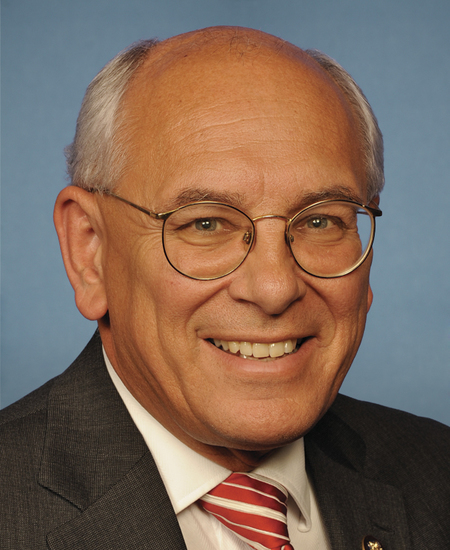
Rep. Paul Tonko
Sponsored bills
Maddy summaryThe EACH Act of 2023 would require federal health programs - including Medicaid, Medicare, the Indian Health Service, and TRICARE - to cover abortion services without restrictions. It repeals a provision in the Affordable Care Act that allowed states to limit abortion coverage in health insurance plans sold through state marketplaces. The bill also prohibits the federal government from restricting abortion coverage in private health insurance plans. This would directly affect millions of people, particularly low-income individuals and people of color, who are disproportionately enrolled in Medicaid and currently face barriers to abortion care due to coverage restrictions.
Maddy summaryThis bill, HR 35 (Close the Medigap Act of 2023), prohibits Medicare supplemental insurance (Medigap) insurers from denying coverage or charging higher premiums based on health status, pre-existing conditions, genetic information, or age. It directly affects Medicare beneficiaries (particularly those with pre-existing conditions) and requires insurers to offer guaranteed issue coverage starting January 1, 2024, with full implementation by 2029. Key mechanisms include banning health-based pricing discrimination, requiring insurers to spend at least 65% of individual policy premiums on healthcare (increasing to align with NAIC recommendations), and improving transparency on the Medicare Plan Finder website. The bill does not change Medicare Part A/B benefits but ensures broader access to supplemental coverage without health-related barriers.
Maddy summaryThe Assuring Medicare’s Promise Act of 2023 directs that taxes collected under the net investment income tax (a tax on investment income for high earners) be added to the Medicare Hospital Insurance Trust Fund, which helps finance Medicare Part A benefits. It modifies the tax code to include certain business income of high-income individuals (with modified adjusted gross income over $400,000 for single filers or $500,000 for joint filers) in the tax base, but includes a phase-in mechanism to limit immediate tax increases. This bill primarily affects high-income taxpayers and aims to strengthen Medicare’s financial stability by increasing trust fund revenue.
Maddy summaryHR 33 would expand Medicare to cover dental, vision, and hearing services for beneficiaries, which are currently not covered under Medicare. The bill provides 100% coverage for preventive dental services in 2024, with basic dental services gradually increasing to 80% coverage by 2027. Vision coverage would include routine eye exams and corrective lenses at 80% coverage, while hearing services would cover hearing exams and hearing aids at 80% coverage. The bill includes specific limitations, such as two dental cleanings per year and one pair of glasses every 24 months, with the Secretary of Health and Human Services having authority to apply additional limitations or modify coverage based on medical recommendations. The changes would take effect on January 1, 2024.
Maddy summaryThis bill establishes new federal programs to improve drinking water quality and affordability across the United States. It creates a $3 billion annual lead service line replacement program (2027-2036) to replace lead pipes in homes and public water systems, prioritizing disadvantaged and environmental justice communities. The bill also creates a $1.5 billion annual water affordability program (2025-2034) to help low-income households pay for drinking water services, with specific provisions to prevent service disconnections for eligible households. Additionally, it mandates new federal drinking water standards for PFAS, chromium-6, microcystin toxin, and 1,4-dioxane within two years of enactment. These provisions directly affect community water systems, low-income households, and public health agencies across all 50 states and territories.
Maddy summaryHR 8995, the Baby Changing on Board Act, requires Amtrak to install baby changing tables in every accessible restroom on new passenger trains purchased after the law's enactment. The bill defines "baby changing tables" as elevated, freestanding structures supporting children up to 30 pounds and specifies they must be clearly marked with signage. This directly affects parents and caregivers traveling on Amtrak's newly acquired trains, ensuring accessible diaper-changing facilities in designated restrooms. The law applies only to Amtrak-owned trains solicited for purchase after the bill becomes law, not to existing trains.
Maddy summaryThe MENTOR Act of 2024 requires federal research agencies to develop guidelines addressing mental health and mentorship for graduate and postdoctoral researchers funded by federal grants. It mandates agencies to define bullying/harassment, require institutions to report incidents, and implement confidential reporting systems for researchers. The bill also requires principal investigators to submit mentoring plans with grant applications, detail benefits like mental health coverage, and incorporate mentorship evaluations into funding decisions. Institutions must report on support systems for underrepresented researchers and ensure access to affordable mental health care. These guidelines must be implemented within one year of adoption and updated every five years based on biennial mental health data collected by the National Science Foundation.
Maddy summaryHR 7438 directs the U.S. Treasury to mint commemorative coins for the 2026 FIFA World Cup, including 100,000 $5 gold coins, 500,000 $1 silver coins, and 750,000 half-dollar coins. The coins will be sold to the public at face value plus surcharges ($35, $10, and $5 per coin, respectively), with all surcharge revenue paid to FWC2026 US, Inc. for U.S. soccer programs. These funds must support soccer initiatives, particularly in underserved communities and youth development, as specified in the bill. The coins are legal tender but will only be issued during 2026, with no net cost to the U.S. government.
Maddy summaryThis bill extends funding for the existing Public Health Service Act program focused on raising public awareness about Alzheimer's disease and related dementias. It authorizes $33 million annually for fiscal years 2025 through 2029 to support public health education and outreach initiatives. The program directly affects public health organizations and community groups that develop and distribute educational materials about Alzheimer's prevention, diagnosis, and care. The key provision is the multi-year funding extension, ensuring continued support for nationwide awareness efforts without altering the program's core structure.