

Maddy summaryHR 6417 amends the existing "Ending Importation of Russian Oil Act" to ban imports of energy products (classified under Harmonized Tariff Schedule chapter 27) produced at any refinery using crude oil originating in Russia. This directly affects U.S. importers and companies bringing in such refined petroleum products. The key provision prohibits these imports regardless of where the refinery is located, targeting oil that has been "laundered" through foreign processing. The bill updates the existing law by adding this origin-based import ban as a new section.
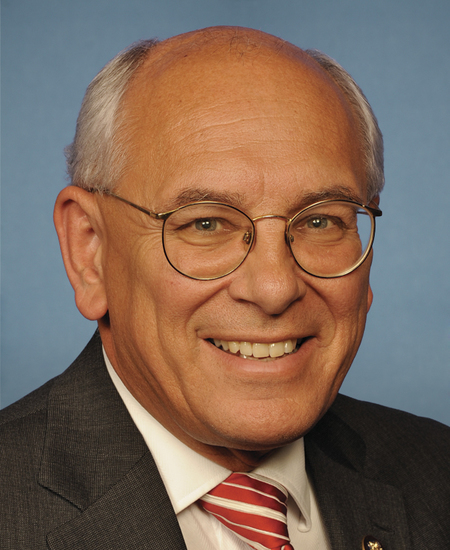
Rep. Paul Tonko
Sponsored bills
Maddy summaryThis bill directs the Architect of the Capitol to create a time capsule for the U.S. Semiquincentennial (250th anniversary of independence). Congressional leadership will determine its contents, including representative materials about the Semiquincentennial, copies of key legislative milestones, and a message to future Congress. The capsule will be sealed on the Capitol's West Lawn by July 4, 2026, and remain unopened until July 4, 2276, when it will be presented to the 244th Congress for their consideration. The bill is procedural and does not affect citizens or change existing laws.
Maddy summaryThis bill amends Medicare, Medicaid, and private insurance rules to improve coverage for drugs treating rare diseases (defined as conditions affecting 200,000 or fewer people in the U.S.). It requires coverage for rare disease drug uses supported by peer-reviewed medical literature and not listed as contraindicated in FDA labeling or medical reference guides. Private insurers must provide expedited review processes for denials of such drugs. The changes apply 30 days after enactment, affecting insurers and patients seeking coverage for rare disease treatments.
Maddy summaryThe SAFE in Recovery Act protects pregnant and postpartum individuals with substance use disorders by prohibiting toxicology testing without consent and preventing child welfare investigations based solely on prescribed medications for treatment. It establishes a Federal interagency task force to coordinate services across multiple departments and allocates $500 million for community health centers to expand behavioral health services. The bill also provides $60 million annually for Head Start programs to support children from families impacted by substance use disorder. These provisions aim to improve access to care while preventing unnecessary family separations.
Maddy summaryHR 5819, the COMPLETE Care Act, incentivizes Medicare primary care providers to integrate behavioral health services by increasing payments for specific services (like mental health and substance use disorder support) during 2025-2027. Providers using designated HCPCS codes for integrated care would receive 125-175% of standard payment rates, with the percentage declining annually. The bill also requires these providers to report on integration quality measures and mandates technical assistance for practices adopting integrated models, funded through new appropriations for 2024-2027. It directly affects Medicare-participating primary care practices serving beneficiaries needing mental health or substance use services.
Maddy summaryHR 5663, the ALS Better Care Act, creates a new Medicare payment system to improve reimbursement for specialized care services provided to ALS patients. It establishes a $800 per visit payment rate starting in 2025 for qualified ALS care facilities, with annual increases based on market basket adjustments. The bill requires the Comptroller General to report on appropriate payment amounts and ensures this new payment is in addition to, not replacing, existing Medicare payments for ALS-related services. This aims to reduce wait times, support facilities in rural areas through telehealth access, and address funding challenges for ALS clinical trials.
Maddy summaryThe MORE Act (HR 5601) would federally decriminalize cannabis by removing it from the Schedule I list of controlled substances under the Controlled Substances Act. It requires federal courts to expunge non-violent cannabis convictions and associated arrests, with a focus on addressing racial disparities in cannabis enforcement. The bill creates an Opportunity Trust Fund that would allocate 50% of funds to criminal justice programs, 20% to small business assistance for minority cannabis entrepreneurs, and 20% to community reinvestment grants for individuals impacted by the War on Drugs. It also prohibits federal agencies from denying benefits or security clearances based on cannabis use or past cannabis convictions, and establishes a Cannabis Justice Office to administer these programs.
Maddy summaryThe DRA of 2023 adjusts Medicare payment rates for specific durable medical equipment (DME) items that were part of the 2021 competitive bidding program but for which no supplier contracts were finalized. It directly affects DME suppliers and Medicare beneficiaries by establishing a new 2024 payment formula: 90% of the adjusted payment amount plus 10% of the unadjusted fee schedule for eligible items. The bill also extends a temporary transition rule for non-rural areas through December 31, 2024, while delaying a regulatory change until 2025. These provisions aim to stabilize payments for DME items that did not transition to standard pricing under prior rules.
Maddy summaryThis bill automatically extends Medicare Part D drug coverage subsidies to low-income Medicaid beneficiaries who turn 65. Specifically, it changes eligibility rules so that individuals enrolled in Medicaid under certain state plans (as defined in Section 1902(a)(10)(A)) with income below 200% of the poverty line will be treated as subsidy-eligible for Medicare Part D when they reach age 65. This eliminates the need for separate applications during the transition to Medicare. The change applies to Medicare Part D plan years starting January 1, 2024, directly affecting Medicaid beneficiaries who meet these income and enrollment criteria.
Maddy summaryThis bill changes how Medicare counts hospital stays for coverage of skilled nursing care. It treats time spent in outpatient observation (not admitted as an inpatient) as part of the required 3-day inpatient hospital stay. This means beneficiaries who received outpatient observation services will have that time counted toward the 3-day requirement, potentially making them eligible for skilled nursing facility coverage they might otherwise have lost. The change applies to services beginning January 1, 2024, with limited retroactive appeal options for services completed before the law's enactment. It directly affects Medicare beneficiaries needing skilled nursing care after hospital treatment.