

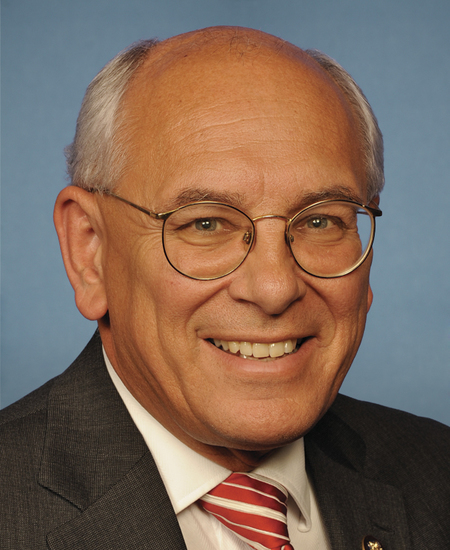
Photo of Paul Tonko
D United States House · District 20 · New York On the 2026 ballot

Rep. Paul Tonko

Compare
Total votes
2,837
all sessions
Attendance
99%
21 missed
Near the chamber average
With party
98%
of cast votes
Higher than 82% of chamber peers
Bipartisan score
1%
crosses aisle rarely
Lower than 82% of chamber peers
Sponsored
2,025
bills & resolutions
Higher than 93% of chamber peers
Committees
5
assignments
2,025 bills and resolutions

Sponsored bills

Total
2,025
Primary
95
Co-sponsor
1,930
This page
2,025
matching current filters
Co-sponsor HR 3065
In committee · United States House · Co-sponsor
School Access to Naloxone Act of 2023

Maddy summaryThis bill creates federal grants for school districts to provide emergency opioid overdose treatment (like naloxone) in public and private elementary and secondary schools. It requires schools to have trained staff (such as nurses or designated personnel), maintain accessible supplies of the medication, and confirm their state has liability protections for staff using it during an emergency. The law directly affects K-12 schools by mandating specific emergency protocols for opioid overdoses. It does not change state laws but requires schools to verify existing state protections before receiving funds.

In committee May 5, 2023 1 co-sponsor
Co-sponsor HR 3008
In committee · United States House · Co-sponsor
Drug Shortage Prevention Act of 2023

Maddy summaryHR 3008, the Drug Shortage Prevention Act of 2023, requires manufacturers of critical essential medicines (like life-saving or emergency drugs) to notify the FDA earlier about potential supply disruptions. Specifically, manufacturers must report permanent production stops, interruptions, or unexpected demand spikes (not seasonal) at least six months in advance for production issues, or within 48 hours for sustained demand increases. The notification must include reasons, ingredient sources, alternative suppliers, and expected duration. The FDA will then share this information with healthcare providers and patient groups to help manage shortages. This law applies to drugs critical for life-sustaining care, excluding certain radio pharmaceuticals.

In committee May 5, 2023 1 co-sponsor
Co-sponsor HR 2965
In committee · United States House · Co-sponsor
Autism Family Caregivers Act of 2023

Maddy summaryHR 2965, the Autism Family Caregivers Act of 2023, establishes a federal pilot program to provide free or low-cost evidence-based skills training for family caregivers of children (ages 0-9) with autism spectrum disorder or other developmental delays. It authorizes $10 million annually to fund grants for eligible organizations (like nonprofits, health centers, and community groups) to teach caregivers practical strategies for communication, social engagement, daily living skills, and managing challenging behaviors. The program requires local stakeholder committees - including caregivers, healthcare providers, and community representatives - to ensure cultural relevance, and mandates annual evaluations to assess impacts on children's well-being and caregiver support.

In committee May 5, 2023 1 co-sponsor
Co-sponsor HR 2891
In committee · United States House · Co-sponsor
SAFE Banking Act of 2023

Maddy summaryThe SAFE Banking Act of 2023 would protect banks and financial institutions that provide services to state-legal marijuana businesses and hemp-related businesses by preventing federal regulators from taking adverse actions against them solely for serving these businesses. It clarifies that income from state-legal marijuana businesses can be considered for mortgage applications, and requires regulators to update guidance on suspicious activity reports related to these businesses. The bill does not require financial institutions to serve these businesses, but ensures they won't face penalties for doing so. It extends similar protections to hemp-related businesses, which have faced banking challenges despite being federally legal under the 2018 Farm Bill.

In committee May 3, 2023 1 co-sponsor
Co-sponsor HRES 341
In committee · United States House · Co-sponsor
Expressing the sense of the House of Representatives that it is important to maintain cash as a robust and viable payment option.

Maddy summaryHRES 341 is a nonbinding resolution expressing the House's support for maintaining cash as a viable payment option. It highlights that 18.6% of U.S. households (nearly 6 million) rely solely on cash due to lack of bank access, privacy concerns, and risks associated with digital payments like data breaches. The resolution cites legal tender status under U.S. Code and Federal Reserve Chair Powell's testimony emphasizing cash's critical role for unbanked and low-income communities. It does not create new laws but urges businesses to accept cash to protect consumer privacy and financial security.

In committee Apr 28, 2023 1 co-sponsor
Co-sponsor HR 2995
In committee · United States House · Co-sponsor
National Mesonet Authorization Act

Maddy summaryHR 2995, the National Mesonet Authorization Act, establishes a formal National Mesonet Program within the National Weather Service to enhance weather observation networks. The program leverages existing commercial, academic, and non-Federal weather data to improve severe weather forecasting, warnings, and emergency response by increasing data density and quality across the U.S. It authorizes $50-70 million annually (2024-2028) to provide financial and technical assistance to state, tribal, private, and academic entities that expand their weather monitoring systems and share data with the program. This directly affects weather data providers and the National Weather Service, aiming to reduce forecasting gaps and support a 30-minute severe weather warning target. The bill requires regular congressional reporting on program progress and data integration efforts.

In committee Apr 28, 2023 1 co-sponsor
Co-sponsor HR 3011
In committee · United States House · Co-sponsor
To establish a task force of the Department of Defense on mental health.

Maddy summaryHR 3011 establishes a 15-member task force within the Department of Defense to review and assess mental health services for active-duty military members, reservists, and their families. The task force, requiring half DOD personnel (including service surgeons and family members) and half external experts (like VA and SAMHSA staff), must submit a report within 12 months detailing improvements needed in areas like access to care, telehealth, reducing stigma, and transitioning care to veterans' services. The report will include specific recommendations for legislative or administrative changes, followed by annual progress reports to Congress over five years on implementing those recommendations. This bill creates a review mechanism but does not directly change existing mental health programs or funding.

In committee Apr 28, 2023 1 co-sponsor
Co-sponsor HR 2923
In committee · United States House · Co-sponsor
Living Donor Protection Act of 2023

Maddy summaryThis bill protects living organ donors from insurance discrimination by prohibiting life, disability, and long-term care insurers from denying coverage, raising premiums, or altering policy terms solely because someone donated an organ while alive. It also updates the Family and Medical Leave Act to include recovery from organ donation surgery as a qualifying health condition, allowing donors to take protected leave for this purpose. Additionally, the bill requires the Health and Human Services Secretary to update public educational materials about living donation benefits, risks, and insurance protections within six months of enactment. These changes directly affect living organ donors, insurers, employers, and healthcare systems by ensuring fair access to insurance and workplace leave.

In committee Apr 28, 2023 1 co-sponsor
Co-sponsor HR 2955
In committee · United States House · Co-sponsor
Stop Institutional Child Abuse Act

Maddy summaryHR 2955, the Stop Institutional Child Abuse Act, establishes a Federal Work Group to improve data collection and best practices for youth in residential programs (like therapeutic schools, treatment centers, and group homes). The Work Group, composed of federal agency representatives and diverse stakeholders, must develop national data standards, create risk assessment tools, and issue biennial reports with recommendations to enhance safety, reduce restraints, and expand community-based alternatives. It directly affects youth with mental health, substance use, or disability needs placed in these facilities, as well as agencies overseeing them. The bill also mandates a National Academies study to examine funding, oversight, and barriers to community care. These mechanisms aim to standardize data tracking and promote less restrictive, trauma-informed care for youth in residential programs.

In committee Apr 28, 2023 1 co-sponsor
Co-sponsor HR 2801
In committee · United States House · Co-sponsor
Kids PRIVACY Act

Maddy summaryThe Kids PRIVACY Act strengthens privacy protections for children under 13 and teenagers aged 12-18 online. It requires digital services that collect data from these age groups to obtain verifiable consent, limit data collection to what's necessary, and prevent targeted advertising based on their information. The bill establishes new requirements for transparency (including clear privacy policies), data minimization, security measures, and privacy impact assessments. It also creates a dedicated Youth Privacy and Marketing Division at the Federal Trade Commission to enforce these rules and repeals existing safe harbor provisions that previously protected operators from liability.

In committee Apr 28, 2023 1 co-sponsor
Showing 1,161 to 1,170 of 2,025 bills