

Maddy summaryHR 3607, the MARSHALS Act, restructures the U.S. Marshals Service by moving it from the Department of Justice to the judicial branch of the federal government. It requires the Chief Justice, in consultation with a new oversight Board, to appoint marshals for each judicial district (with four-year terms) and establishes a Director to lead the Service. The bill expands the Marshals Service’s duties to include protecting judges, court officers, and witnesses from intimidation, and adds specific roles in assisting with sex offender investigations and locating missing children at the Attorney General’s request. These changes directly affect federal marshals, judicial branch operations, and law enforcement coordination with the Department of Justice.
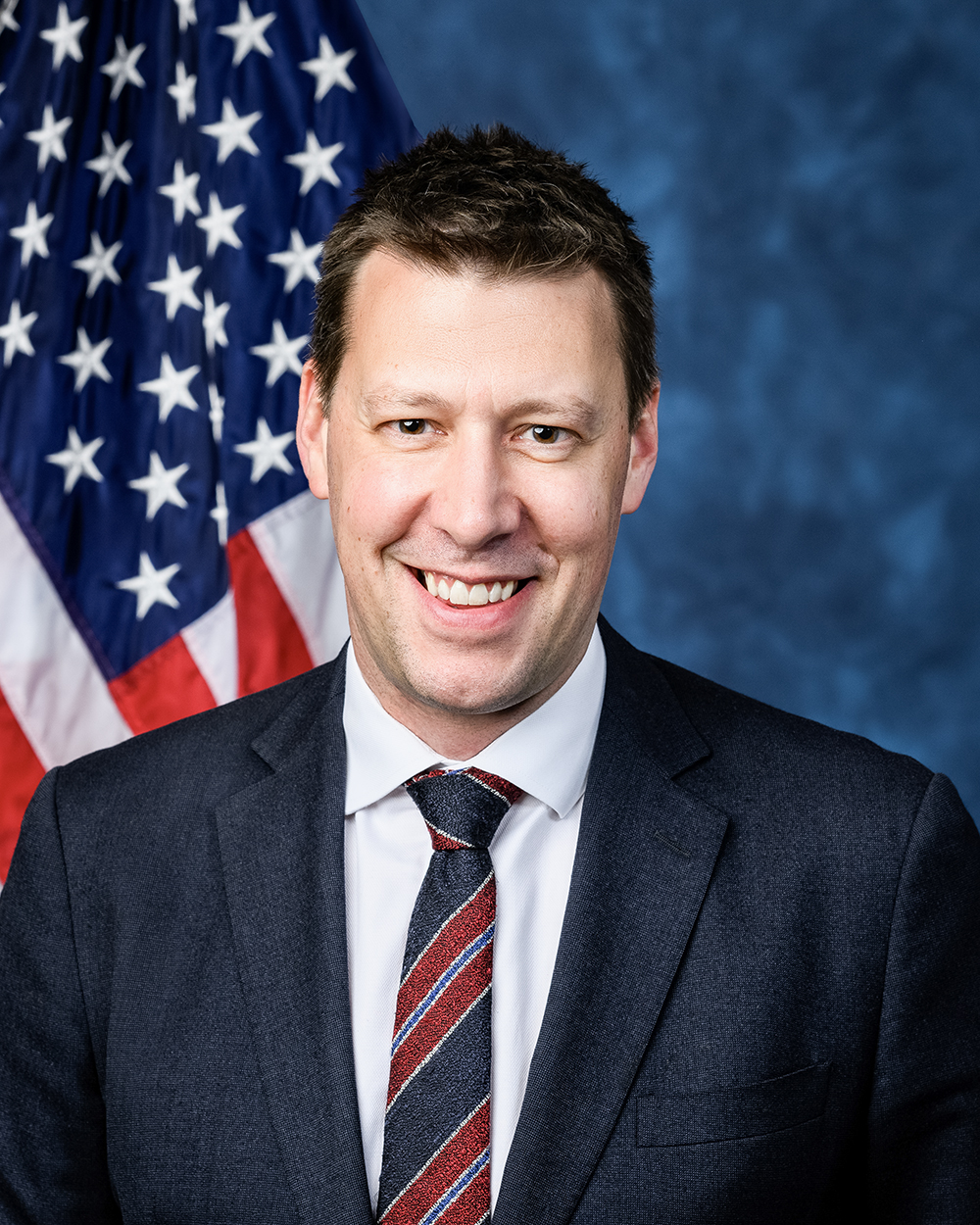
Rep. Josh Riley
Sponsored bills
Maddy summaryHR 3564, the Nuclear First-Strike Security Act of 2025, requires the President to notify key congressional leaders at least seven days before authorizing a first-use nuclear strike (using nuclear weapons without prior attack on the U.S. or allies). This applies unless the strike occurs under a congressional declaration of war, in response to a nuclear attack on the U.S. or an ally (defined as NATO, Japan, South Korea, or Australia), or during a launch-on-warning scenario. The bill mandates the Secretary of Defense to certify the strike's legality and necessity to congressional leaders before execution. It directly affects the President and Defense Department, adding a formal congressional notification step to nuclear decision-making. The law aims to create a deliberate review period for the most extreme military action.
Maddy summaryHR 3554, the Close the Revolving Door Act of 2025, prohibits former Members of Congress and congressional staff from lobbying for 6 years (extending the current 1-year rule) after leaving office and bans registered lobbyists from joining Congress within 6 years of substantial lobbying contact. It requires lobbying firms employing over 3 registered lobbyists to publicly report any former lawmakers or high-level congressional staff on their payroll, and mandates a new searchable website (lobbyists.gov) for transparency. The bill directly affects former legislators, congressional staff, and lobbying firms by restricting post-government employment transitions and increasing disclosure requirements. Key provisions include a lifetime lobbying ban for Members of Congress, enhanced reporting for "substantial lobbying entities," and a $100,000 funding allocation for the new database.
Maddy summaryThe ANCHOR Act requires the National Science Foundation to develop a plan within 18 months to improve cybersecurity and telecommunications for the U.S. Academic Research Fleet - comprising university- and lab-operated oceanographic research vessels. The plan must assess each vessel's specific needs for internet speed, data transfer, telemedicine, and remote expert access during missions, alongside cost estimates for upgrades like satellite equipment and staff training. It also mandates evaluating shared solutions to reduce costs and outlining funding strategies involving NSF, Navy research offices, and vessel operators. The bill directly affects research vessels conducting ocean science, aiming to modernize their digital infrastructure without altering scientific methods.
Maddy summaryHCONRES 30 is a symbolic resolution expressing congressional support for local law enforcement officers. It does not create new laws or policies but formally recognizes their work through four non-binding actions: thanking officers and families for service, honoring those who died in the line of duty, and encouraging community-law enforcement collaboration. The resolution directly addresses Congress's acknowledgment of law enforcement efforts, not any specific group affected by a policy change. It has no legal effect or funding implications, serving solely as a statement of appreciation. This is a procedural resolution, not a legislative bill with concrete policy changes.
Maddy summaryHR 3505, the Barriers to Suicide Act of 2025, creates a federal grant program administered by the Department of Transportation to fund the installation of proven safety barriers and nets on specific high-risk structures. The program provides competitive grants (up to 80% federal funding) to states, local governments, or other eligible entities for projects installing suicide deterrents on bridges, buildings, parking garages, highway-rail crossings, or rail stations. It prioritizes areas with high suicide rates and mandates a study by the Comptroller General to evaluate effective deterrents for non-bridge structures and their costs, with a report due within one year of enactment. The bill authorizes $10 million annually from 2026-2030 for this initiative.
Maddy summaryHR 1453, the Clean Energy Demonstration Transparency Act of 2025, requires the Department of Energy to submit detailed, publicly available reports on clean energy demonstration projects funded under the Infrastructure Investment and Jobs Act. It mandates that within six months of enactment and every six months thereafter, the Secretary must provide Congress and the public with copies of initial contracts, status of project milestones, and any major changes to project scope, funding, or partners. These reports apply to all covered projects administered or supported by the program. The bill aims to increase transparency by standardizing reporting requirements and allowing coordination with existing reporting processes.
Stronger Communities through Better Transit Act This bill requires the Department of Transportation (DOT) to establish a grant program to support operating projects for public transportation and related service improvements, particularly in underserved communities and areas of persistent poverty. Specifically, the bill requires DOT to allocate funding under the program for urbanized areas, states, and Indian tribes that are recipients of funds under either the Federal Transit Administration's (FTA's) Urbanized Area Formula Funding program or Formula Grants for Rural Areas program. Eligible recipients may use funding for operating costs associated with projects that improve public transportation service for transit-dependent populations and support increased transit ridership (e.g., service expansion, information technology enhancements, and workforce development). DOT must apportion the funding so that recipients receive funds that are proportional to their share of operating costs. The bill also provides for an increased federal cost share for operating assistance for projects or programs carried out in areas of persistent poverty or underserved communities. DOT must set up a multimodal access measurement interface for public agencies to aid transit agencies in determining and reporting on access to jobs and essential services. A grant recipient must (1) report specific information to the FTA for inclusion in the National Transit Database, and (2) survey transit riders and non-riding residents regarding transit service improvements. Further, the bill expands the purposes of the public transportation programs to include supporting public transportation's role in combating climate change through growing/retaining transit ridership.
Maddy summaryThis bill restores a tax deduction for personal losses caused by disasters, crimes, or scams (like stolen property or damage from hurricanes). It directly affects taxpayers who filed returns before 2025 but couldn’t claim this deduction due to a prior suspension. The bill reinstates the deduction and extends the deadline to file refund claims for these losses until the tax filing deadline for the year the bill becomes law. This allows eligible individuals to claim refunds they were previously barred from receiving.
Maddy summaryHCONRES 31 is a symbolic resolution expressing congressional support for U.S. law enforcement officers. It acknowledges the risks they face - including over 79,000 assaults on officers in 2023 and a 54% higher suicide rate among officers - while highlighting their service and sacrifices. The resolution calls for honoring fallen officers and advocates for increased safety measures, training, equipment, and mental health resources, though it does not create new laws or allocate funding. It directly affects law enforcement professionals by affirming their value and safety needs, but remains a non-binding expression of support.