

Maddy summaryThis bill allows individuals to withdraw funds from retirement accounts without the usual 10% early withdrawal penalty if the money is used for qualified family caregiving expenses. It directly affects caregivers (like adult children or spouses) who pay for care for a family member certified by a doctor as needing long-term assistance with daily activities. Expenses covered include home modifications, medical supplies, respite care, counseling, lost wages for unpaid time off, and transportation for the care recipient. The total amount exempt from the penalty is capped at $10,000 per year per caregiver. The bill modifies existing tax code to make these withdrawals penalty-free while requiring documentation and certification of the care recipient's needs.
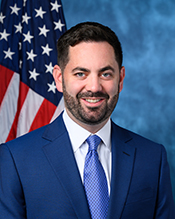
Rep. Michael Lawler
Sponsored bills
Maddy summaryHRES 1581 is a symbolic resolution expressing congressional support for designating November 2024 as "Prematurity Awareness Month." It highlights the U.S. maternal and infant health crisis, including higher preterm birth rates and disparities affecting Black and Native American women and their infants. The resolution urges Americans, communities, and organizations to observe the month through events and education focused on preterm birth prevention. It does not create new laws or funding but aims to raise public awareness about this health issue, which contributes to infant mortality and costs an estimated $25.2 billion annually.
Maddy summary# Summary of Veterans' Affairs Bill This comprehensive legislation (likely the 2024 version of the "Senator Elizabeth Dole 21st Century Veterans Healthcare and Benefits Improvement Act") addresses multiple aspects of veterans' benefits and services across several key areas: ## Key Provisions 1. **Healthcare Modernization** - Requires machine-readable format for disability benefit questionnaires - Mandates modernization of electronic health record systems - Improves telehealth access for homeless veterans - Establishes new standards for health information technology 2. **Disability Benefits** - Modernizes disability benefit questionnaires - Implements automatic processing for certain temporary disability ratings - Prohibits non-licensed health care professionals from performing medical disability examinations - Requires provision of agent/attorney contact information to health care professionals 3. **Homelessness Support** - Increases per diem payments for homeless veterans' services - Authorizes use of funds for food, shelter, transportation, and communication technology - Creates a strategic plan for homeless veteran services - Expands access to telehealth services for homeless veterans 4. **Native American Veteran Housing** - Expands direct housing loans for Native American veterans - Creates a Native community development financial institution relending program - Requires adequate personnel dedicated to Native American veteran housing - Expands outreach programs for Native American veterans 5. **Burial and Memorial Affairs** - Expands burial allowances for veterans who die at home while receiving hospice care - Updates definitions of surviving spouse 6. **Employment and Training** - Improves reemployment rights for veterans - Creates Warrior Training Advancement Course - Establishes pilot program for veterans in conservation and resource management positions 7. **Transparency and Accountability** - Requires 90-day notice before implementing policy changes - Improves transparency of educational institutions serving veterans - Establishes new reporting requirements for various programs The bill contains numerous technical corrections, updates to existing statutes, and new provisions designed to improve veterans' access to benefits, healthcare, housing, and employment opportunities, with particular attention to underserved veteran populations including Native American veterans, homeless veterans, and veterans with disabilities.
Maddy summaryHRES 1577 is a resolution expressing congressional support for National Adoption Day (November 23, 2024) and National Adoption Month (November 2024). It highlights that over 108,000 children in U.S. foster care are waiting for adoption and encourages Americans to consider adoption to help provide safety, permanency, and well-being for children. The resolution does not create new laws but formally recognizes the importance of adoption and urges the public to support efforts to place children in permanent families. It directly affects public awareness and encourages citizen engagement during these designated observances.
Maddy summaryThis bill automatically reduces interest rates on eligible federal student loans to 1.0% starting July 1 after enactment. It directly affects borrowers with federal student loans held by the Department of Education (direct loans) or other federal loans not held by the Department. The bill modifies direct loans without borrower action and refinances other federal loans into Federal Direct Consolidation Loans with the same repayment terms, no origination fees, and 1.0% interest rates. Borrowers can opt out of refinancing, and the Secretary must report annually on participation and delinquency rates.
Maddy summaryHRES 1574 is a non-binding House resolution calling for the immediate removal of Federal Deposit Insurance Corporation (FDIC) Chairman Martin J. Gruenberg. It cites concerns about his leadership, including alleged mistreatment of staff, a "toxic workplace," staffing shortages, and failures in bank supervision that contributed to financial institution failures. The resolution does not change law or remove Gruenberg (as the President appoints FDIC leaders), but formally demands his removal. It was introduced by 25 Republican representatives and referred to the Financial Services Committee.
Maddy summaryHR 3334, the STOP CCP Act, imposes U.S. sanctions on members of China's Communist Party Central Committee and their adult family members. It requires blocking their U.S. assets and denying visas or entry to the U.S., effective within 30 days of enactment. The bill allows the President to temporarily waive sanctions if China verifiably ends specific actions: ending Uyghur forced labor/sterilization, ceasing military threats against Taiwan, restoring Hong Kong autonomy, and stopping intellectual property theft. These sanctions would expire after two years unless renewed by the President with congressional notification.
Maddy summaryHRES 1564 is a non-binding resolution recognizing the need for a "Senior Security Promise" to support older Americans. It affirms congressional commitment to ensuring seniors have access to affordable healthcare, protection from scams, and long-term solvency for Social Security. The resolution cites demographic data showing seniors make up 18% of the U.S. population and contribute significantly to tax revenue and the economy. It calls for bipartisan congressional action to address these priorities but does not create new laws or programs.
Maddy summaryHRES 1566 is a symbolic House resolution honoring all U.S. veterans on Veterans Day 2024. It recognizes the service and sacrifice of the estimated 15.8 million veterans living in the U.S. as of 2023, including those who served in conflicts from World War II to post-9/11. The resolution calls on the American public to observe Veterans Day to acknowledge veterans' role in preserving national freedom. As a non-binding resolution, it has no direct policy impact but formally expresses congressional recognition of veterans' contributions.
Maddy summaryHR 10038 directs the Veterans Affairs (VA) Secretary to run a two-year pilot program making naloxone available at no cost and without a prescription to veterans and their VA-registered caregivers at VA pharmacies and medical facilities. The program requires providing information about VA addiction, suicide prevention, and mental health services, along with naloxone use education. The VA must report to Congress within 90 days of the pilot's end, detailing participation numbers, feasibility of expanding to family members or non-VA providers, and budget considerations for potential permanent adoption. This bill directly affects veterans and their registered caregivers by removing barriers to accessing overdose reversal medication.