

Maddy summaryThe Informed Investor Access Act expands the definition of an "accredited investor" to include individuals who receive personalized investment advice or recommendations from registered investment advisers or brokers. This change allows people who rely on professional guidance for specific transactions to access private investment opportunities that were previously restricted to those meeting high income or asset thresholds. The bill requires the Securities and Exchange Commission to update its regulations to align with this new definition, ensuring that individuals working with qualified financial professionals are not excluded from certain markets. By removing the "or" between existing criteria and adding a new category for advised investors, the legislation broadens eligibility based on the quality of advice received rather than solely on financial metrics.
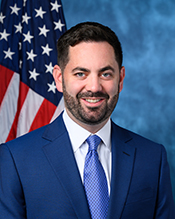
Rep. Michael Lawler
Sponsored bills
Maddy summaryThe Military Housing Innovation Act directs the Comptroller General to conduct a study on whether updating military building codes would allow for a specific type of apartment design known as point-access block buildings. This research will examine how such a change could affect the cost, quality, and safety of new military housing while also looking at its impact on local rental markets and the amount of money service members spend on living expenses. The study must compare fire safety outcomes between these new designs and traditional buildings before submitting a report with recommendations to Congress. Ultimately, the bill aims to gather data on whether this construction method can help improve housing options for military families without compromising safety standards.
Maddy summaryThe Ounce of Prevention Act allows communities receiving federal Community Development Block Grants to use those funds for projects that reduce risks from weather-related disasters. This legislation expands the definition of eligible activities to include measures that protect health and welfare by lessening the impact of future hazards, such as building new structures or rehabilitating existing ones in high-risk areas. To support these efforts, the bill requires grantees to submit plans detailing how they will address specific disaster needs and mandates that the Department of Housing and Urban Development provide technical assistance. Additionally, the act permits communities to treat assisted housing units as a single structure for regulatory purposes and sets a deadline for the Secretary to issue new rules formalizing these mitigation efforts.
Maddy summaryThe Securing Agriculture's Workforce Act of 2026 modernizes the H-2A visa program by transferring administrative authority to the Department of Homeland Security and introducing a unified online platform to streamline applications for employers and workers. Key provisions include establishing new housing standards with mandatory inspections, creating a system for staggered worker entry and exit, and allowing workers to transfer between employers without losing their status. The bill also defines specific job classifications for wage calculations, expands the scope of covered agricultural activities, and provides legal protections for employers who document the employment of workers seeking visa status. Additionally, it requires agencies to develop a heat illness prevention plan and allows for contract termination due to natural disasters.
Maddy summaryThe TOURS Act requires the Department of Veterans Affairs to produce an annual report and briefing on suicide prevention efforts for Congress. It also mandates a two-year study starting in 2027 to examine how veterans' use of chaplain services and faith-based programs relates to suicide risk. The study must track specific engagement activities while strictly protecting patient confidentiality and ensuring that using these services remains entirely voluntary. Finally, the VA must submit detailed findings and recommendations to Congress within 90 days after each year of the study concludes.
Maddy summaryThe Natural Climate Solutions Research and Extension Act of 2026 directs federal funding toward agricultural research and extension programs focused on natural climate solutions. This legislation specifically targets practices in farmlands, grasslands, wetlands, and forests that store carbon or lower greenhouse gas emissions. The bill requires these initiatives to incorporate traditional ecological knowledge, support biodiversity, and reduce water runoff. By amending an existing farm bill, the act aims to expand grant opportunities for land management strategies that address climate change.
Maddy summaryThe Veterans STAND Act requires the Department of Veterans Affairs to provide annual preventative health assessments to veterans with spinal cord injuries or disorders. These assessments cover risks for health complications, chronic pain management, dietary needs, prosthetic equipment, and access to assistive technologies like spinal cord neuromodulation devices. The VA must consult with medical specialists and device manufacturers when creating guidelines and submit yearly reports to Congress on veterans' use of these services and devices. This policy directly affects veterans with spinal cord injuries by ensuring regular, tailored health evaluations to improve long-term management and independence.
Maddy summaryHR 4398, the Veteran Burial Timeliness and Death Certificate Accountability Act, requires Veterans Affairs (VA) physicians or nurse practitioners to certify the death of a veteran who dies of natural causes within 48 hours of learning of the death. This directly affects veterans' families, who previously faced delays of up to eight weeks in burial and access to survivor benefits due to slow death certifications. The bill mandates annual reports to Congress on VA compliance with the 48-hour rule, including statistics on delays and their causes. The key change is establishing a strict timeline for death certification to prevent unnecessary delays in honoring veterans' final arrangements.
Maddy summaryThe War Hazards Compensation Reform Act aims to address delays in reimbursing insurance carriers and employers who advance payments for war-related injury claims. It introduces interest charges on late reimbursements to offset the financial burden caused by federal delays and removes the requirement for insurance carriers to post collateral for these specific claims. Additionally, the bill mandates that the Department of Labor hire at least 15 new employees to process these claims more efficiently. These changes are designed to encourage continued participation by private insurers in programs supporting national defense activities without altering the benefits received by injured workers.
Maddy summaryThe UNLOCK AUKUS Act modifies existing export control rules to allow the transfer of specific defense articles and services under the AUKUS partnership. By amending the Arms Export Control Act, the bill removes certain restrictions that previously limited what can be shared between partner nations. This change directly affects the U.S. government's ability to share advanced military technology with allies in the AUKUS alliance. The legislation aims to facilitate collaboration without altering the core legal framework governing defense exports.