

Maddy summaryHRES 778 is a House resolution demanding Senator Tommy Tuberville end his hold on military promotions affecting personnel critical to U.S. support for Israel. It specifically references blocked nominations for key Middle East roles, including Admiral Lisa Franchetti (Chief of Naval Operations), General David Allvin (Chief of Staff, Air Force), and Rear Admiral George Wikoff (5th Fleet commander). The resolution states these delays hinder the U.S. military’s ability to provide security, intelligence, and humanitarian support to Israel and stranded American citizens following the October 7 Hamas attacks. It urges Tuberville to lift the holds to ensure readiness for ongoing operations in the region. The resolution does not create new law but formally requests action on pending military confirmations.
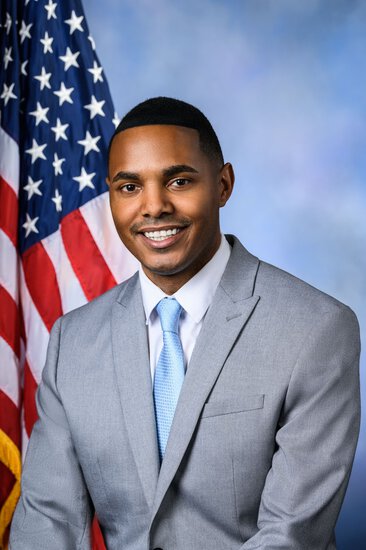
Rep. Ritchie Torres
Sponsored bills
Maddy summaryHRES 771 is a non-binding resolution expressing the U.S. House of Representatives' support for Israel following Hamas' October 7, 2023, attack. It condemns Hamas' actions, affirms Israel's right to self-defense, and calls for the immediate release of hostages. The resolution also urges enforcement of existing laws restricting aid to terrorists and sanctions against Iran for supporting Hamas. It does not create new policies or allocate funds, as it is a symbolic statement of congressional support.
Maddy summaryHRES 768 is a symbolic House Resolution expressing congressional support for Israel following Hamas' October 7, 2023 attacks. It condemns Hamas' actions, reaffirms Israel's right to self-defense, and calls for the immediate release of hostages. The resolution references the U.S. commitment to Israel's security through existing military aid programs, including the 2016 U.S.-Israel Memorandum of Understanding, and emphasizes enforcement of laws like the Taylor Force Act to prevent U.S. aid from reaching terrorist groups. As a symbolic resolution, it does not create new policy but serves as a statement of congressional support for Israel.
Maddy summaryHR 6054, the Represent America Abroad Act of 2023, creates a 3-year pilot program to increase diversity in the U.S. Foreign Service by recruiting mid-career professionals from historically excluded groups - including racial/ethnic minorities, women, people with disabilities, and others - through a modified lateral entry pathway. The program requires participants to have 5-8 years of relevant experience, pass standard Foreign Service exams, and complete specialized training, with a goal of placing at least 50% of participants into mid-level Foreign Service roles annually. It mandates annual reporting to Congress on applicant demographics, advancement rates, retention, and recruitment efforts, targeting outreach to minority-serving institutions and community organizations. The bill directly affects the Department of State and USAID, aiming to address documented diversity gaps in leadership (currently 13-17% minority representation at executive levels) by expanding recruitment from underrepresented talent pools.
Maddy summaryThe Safe Schools Improvement Act (HR 6031) requires public elementary and secondary schools to implement comprehensive anti-bullying policies that specifically prohibit harassment based on protected characteristics like race, gender identity, disability, religion, and sexual orientation. It mandates schools to collect and publicly report annual data on bullying incidents while establishing clear grievance procedures for students and parents. The bill also requires states to submit biennial reports on school compliance and supports evidence-based interventions, such as restorative practices, to reduce exclusionary discipline. This legislation directly affects all public K-12 schools and students in the U.S., aiming to create safer learning environments through standardized policy requirements and data transparency.
Maddy summaryThe Protecting America from Seasonal and Pandemic Influenza Act of 2023 establishes national goals to improve influenza preparedness and response, including delivering first doses of influenza vaccine within 12 weeks of a pandemic strain's emergence and developing a universal vaccine within 10 years. The bill authorizes $335 million annually for pandemic influenza activities, strengthens vaccine supply chains through public-private partnerships, and requires the development of rapid at-home diagnostic tests to improve access. It specifically focuses on addressing vaccine hesitancy through community partnerships targeting vulnerable populations including racial and ethnic minorities, seniors, and people with chronic conditions. The legislation mandates annual reports on implementation progress and requires incorporating health equity into influenza planning and response efforts. This comprehensive approach aims to build a more resilient system for preventing and responding to both seasonal and pandemic influenza.
Maddy summaryHCONRES 68 is a symbolic resolution expressing the House of Representatives' support for recognizing September 26, 2023, as "World Contraception Day." It states the House's "sense" that Congress and the Administration should work to improve universal, affordable access to contraception for all people who may become pregnant, both domestically and globally. The resolution calls for evidence-based policies to address disparities in access, expand comprehensive sex education, and support programs like Title X family planning services, without creating new laws or funding. It directly affects all individuals seeking reproductive health care, particularly those facing barriers due to race, income, location, or gender identity. The resolution does not mandate action but outlines policy priorities for future consideration.
Maddy summaryHR 5784 would provide federal grants to public schools (including Bureau of Indian Education schools) to make them more environmentally sustainable and equitable. It prioritizes schools in the most vulnerable communities (based on CDC Social Vulnerability Index) for full funding to become "healthy zero-carbon schools" through energy-efficient retrofits and new construction, while offering reduced funding for less vulnerable schools. The grants require community engagement in planning, mandate hiring from local communities with specific diversity goals, fund social services and mental health support, and include strict energy efficiency standards for all projects. The bill also includes funding for educational equity planning and climate resiliency programs to help schools serve as community centers during disasters.
Maddy summaryThis bill prevents federal regulators from requiring banks, credit unions, and trust companies to treat custody assets (like digital assets held for clients) as liabilities on their financial statements or to hold extra capital against them. It specifically stops institutions from recognizing liabilities for digital asset services they don’t own, unless those liabilities exceed related expenses. The law applies broadly to depository institutions but includes an exception: commingled cash held for third parties must still be listed as a liability. Key provisions aim to clarify accounting rules for digital assets, reducing regulatory complexity for financial institutions managing client custody. It directly affects banks, credit unions, and trust companies handling digital assets or custody services.
Maddy summaryThe Alice Cogswell and Anne Sullivan Macy Act amends the Individuals with Disabilities Education Act to better serve children and youth who are deaf, hard of hearing, deafdisabled, blind, visually impaired, or deafblind. It requires states to identify and provide appropriate services to these students regardless of how they're classified in disability categories, ensures access to language instruction in the student's primary language (including American Sign Language), and mandates improved data collection about these students. The bill establishes the Anne Sullivan Macy Center on Visual Disability and Educational Excellence to support research, training, and program development for blind and visually impaired students. These changes aim to improve educational outcomes by addressing the unique language, communication, and learning needs of students with sensory disabilities through concrete policy changes to IDEA.