

Maddy summaryHR 5784 would provide federal grants to public schools (including Bureau of Indian Education schools) to make them more environmentally sustainable and equitable. It prioritizes schools in the most vulnerable communities (based on CDC Social Vulnerability Index) for full funding to become "healthy zero-carbon schools" through energy-efficient retrofits and new construction, while offering reduced funding for less vulnerable schools. The grants require community engagement in planning, mandate hiring from local communities with specific diversity goals, fund social services and mental health support, and include strict energy efficiency standards for all projects. The bill also includes funding for educational equity planning and climate resiliency programs to help schools serve as community centers during disasters.
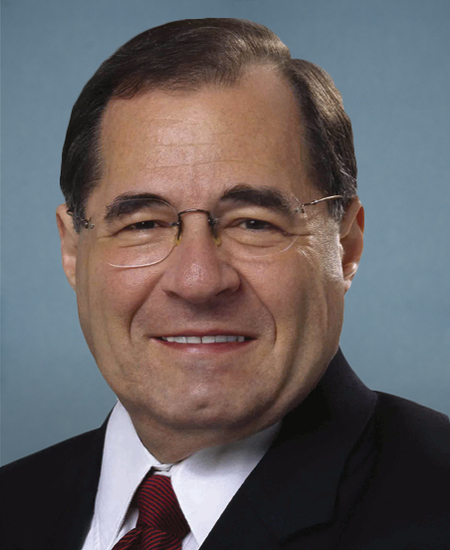
Rep. Jerrold Nadler
Sponsored bills
Maddy summaryThe WIC for Kids Act expands eligibility for the Special Supplemental Nutrition Program for Women, Infants, and Children (WIC) by adding new qualifying pathways. It allows children to qualify if they live in households where someone receives Head Start, Indian reservation food assistance, or Puerto Rico/Northern Mariana Islands nutrition block grants, and streamlines documentation by permitting states to use existing records. The bill extends certification periods for children from one to two years and automatically enrolls infants born to current WIC participants. This directly affects low-income families with children who qualify for related assistance programs but previously faced barriers to WIC access.
Maddy summaryThe Protect America's Children from Toxic Pesticides Act would require the Environmental Protection Agency to complete pesticide registration reviews within 15 years, with automatic suspension of pesticides that miss deadlines. It mandates the EPA to review pesticides banned in the European Union or Canada, with automatic cancellation if the ban is not found to be clearly erroneous. The bill would ban organophosphate pesticides, neonicotinoids, and paraquat, prohibit continued sale of suspended or canceled pesticides, and require full disclosure of inert ingredients on product labels. It also establishes new protections for farmworkers by requiring bilingual labels, mandating incident reporting, and imposing penalties for non-compliance. These changes would directly affect pesticide manufacturers, farmers, farmworkers, and communities seeking to protect public health and the environment.
Maddy summaryHCONRES 67 designates the week of September 17-23, 2023, as "National Fall Prevention Awareness Week" to highlight fall risks among older adults (aged 65+). It cites CDC data showing falls cause ~39,000 preventable deaths and $50 billion in annual medical costs for this group. The resolution supports existing evidence-based fall prevention programs - like balance exercises, home hazard reduction, and medication management - and encourages collaboration between federal agencies, community organizations, and healthcare providers to raise awareness. It does not create new laws but formally recognizes ongoing efforts to reduce falls.
Maddy summaryHRES 719 is a symbolic resolution designating the week beginning September 24, 2023, as "National Source Water Protection Week." It does not create new laws or directly affect individuals or entities, but expresses congressional support for raising public awareness about protecting drinking water sources. The resolution highlights the importance of safeguarding water quality and quantity for public health, the environment, and community resilience. It encourages collaboration among local, state, and federal entities to promote water conservation and protection efforts.
Maddy summaryHRES 692 designates September 2023 as "Sickle Cell Disease Awareness Month" to promote education about sickle cell disease (SCD) across the U.S. It directly affects communities impacted by SCD - estimated at 100,000 people in the U.S., with higher prevalence among African and Hispanic Americans - and encourages broader public awareness. The resolution calls for educational events focused on early detection, effective treatments, preventative care, and complications related to SCD. It also urges federal agencies to address barriers to equitable access to SCD therapies and supports efforts by organizations like the Sickle Cell Disease Association of America. This is a symbolic resolution without new legal requirements, aiming to raise public knowledge and support for SCD-related initiatives.
Maddy summaryThis bill amends the Higher Education Act to require all U.S. colleges and universities receiving federal financial aid to create detailed anti-harassment policies covering physical, online, and institution-sponsored settings. It mandates policies prohibiting harassment based on race, sex (including sexual orientation and gender identity), disability, religion, and other protected characteristics, including harassment via institutional email, computers, or electronic messaging. The bill also establishes a $50 million annual grant program to fund colleges developing prevention programs, victim support services, and training for students and staff on recognizing and addressing harassment. These policies and grants must comply with existing civil rights laws like Title IX but add specific requirements for reporting and prevention.
Maddy summaryHR 5606, the Future Generations Protection Act, prohibits new fossil fuel infrastructure and exports to accelerate the transition to clean energy. It bans greenhouse gas emissions from new fossil fuel power plants, blocks approvals for new LNG terminals (with limited emissions-reduction exceptions), and prohibits hydraulic fracturing by 2027. The bill also bans most exports of domestically produced crude oil and natural gas, except for limited cases involving Canada and Mexico. These provisions directly affect energy companies, LNG developers, and oil/gas producers, aiming to reduce fossil fuel reliance while prioritizing environmental justice and worker transitions.
Maddy summaryThe REDUCE Act of 2023 imposes an excise tax on virgin plastic resin and certain single-use plastic products, starting at 10 cents per pound in 2024 and increasing to 20 cents per pound by 2026 (with annual inflation adjustments). The tax applies to manufacturers, producers, and importers of plastic products, with exemptions for small businesses producing less than 10 tons annually. Revenue from the tax will fund the Plastic Waste Reduction Fund, which will support recycling infrastructure, reuse systems, and marine debris cleanup efforts. The bill specifically excludes medical products, certain packaging, and hygiene items from the tax requirements.
Maddy summaryHRES 710 is a ceremonial resolution honoring Thai-American garment workers who escaped a 1995 El Monte, California sweatshop where they were trafficked and held against their will. The resolution recognizes their landmark lawsuit - the first federal case against garment employers - which spurred national anti-sweatshop campaigns, influenced the creation of T and U visas for trafficking survivors, and advanced corporate accountability. It does not enact policy changes but commemorates their role in inspiring lasting labor rights reforms and their induction into the U.S. Department of Labor’s Hall of Honor.