

Maddy summaryThe San Gabriel Mountains, Foothills, and Rivers Protection Act of 2025 designates specific wilderness areas in California's Angeles National Forest, including Condor Peak (8,207 acres), additions to San Gabriel Wilderness (2,032 acres), additions to Sheep Mountain Wilderness (11,938 acres), and Yerba Buena Wilderness (6,694 acres). It also designates segments of Little Rock Creek and its tributaries as wild, scenic, or recreational rivers under the Wild and Scenic Rivers Act and requires a three-year study of additional San Gabriel River segments. The bill includes provisions for fire management activities, ensures tribal access for cultural and religious practices, and permits continued operation of certain water facilities in designated wilderness areas. These designations protect natural areas from development while maintaining opportunities for recreation, conservation, and tribal cultural activities.
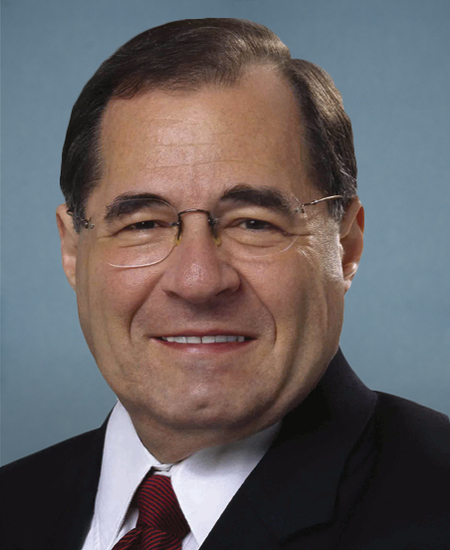
Rep. Jerrold Nadler
Sponsored bills
Maddy summaryThe Schedules That Work Act would require employers in retail, food service, hospitality, cleaning, and warehouse sectors to provide workers with 14 days' advance notice of their schedules and pay predictability wages for last-minute changes. It allows employees to request schedule changes related to caregiving responsibilities, health conditions, education, or other jobs, with employers required to engage in good-faith discussions about such requests. The bill prohibits retaliation against employees who request schedule changes and mandates written notice of schedule changes and predictability pay. It applies to employers with 15 or more employees in covered sectors, aiming to address widespread issues with unpredictable schedules that negatively impact workers' ability to care for family members, maintain housing stability, and access health care.
Maddy summaryThe Fair Competition for Small Business Act of 2025 amends the Clayton Act to allow legal claims for violations of the Sherman Antitrust Act or for violations of the bill's own section (section 2). This technical change would directly affect small businesses and other entities involved in antitrust litigation by expanding the grounds for lawsuits under the Clayton Act. The key mechanism is a modification to the Clayton Act that references the bill's provisions, creating a new basis for claims. The bill does not specify additional substantive rules beyond this amendment.
Maddy summaryHR 6751 would repeal the 2001 Authorization for Use of Military Force (AUMF), a law passed after the September 11 attacks that has been used to justify military operations for over two decades. The bill states Congress finds the AUMF has been interpreted too broadly, conflicting with the Constitution's requirement that only Congress can declare war. It would formally end this legal authority 240 days after the bill becomes law, directly affecting future military actions authorized under the 2001 AUMF. The key provision is the repeal itself, removing the legal basis for ongoing military operations that rely on this specific 2001 law.
Maddy summaryThe Protect America's Workforce Act cancels an executive order issued on March 27, 2025, that excluded certain groups from federal labor-management relations programs, making it legally unenforceable. It also ensures that all collective bargaining agreements between federal agencies and labor unions, which were active as of March 26, 2025, remain fully effective until their agreed terms expire. This directly affects federal agencies, labor unions, and the employees covered by these agreements. The bill prevents federal funds from being used to implement the canceled executive order while preserving existing labor agreements.
Maddy summaryThis bill (HR 6694) designates the U.S. Postal Service facility at 130 North Winton Road in Rochester, New York, as the "Lieutenant James N. Lyons Post Office." It updates all official federal references to the location to reflect this new name. The change is purely ceremonial and affects how the post office is identified in government documents and records.
Maddy summaryThis bill amends the Higher Education Act to extend the loan limits for graduate and professional students indefinitely. It removes the previous expiration date (June 30, 2026) for these limits, meaning graduate and professional students will continue to have access to the same federal loan amounts without a set end date. The key change modifies Section 455(a) by eliminating the sunset provision and updating the effective date language in the law. This directly affects students pursuing advanced degrees who rely on federal loans for tuition and living expenses. The bill makes a technical adjustment to existing student loan policy without creating new benefits or altering eligibility criteria.
Maddy summaryThis bill creates a federal legal claim for individuals significantly exposed to PFAS chemicals (linked to cancer, immune harm, and other health issues) to sue manufacturers or users who foresaw exposure risks. It establishes a "presumption of exposure" if people live near PFAS-producing facilities for over a year or have detectable PFAS in blood tests, shifting costs for medical monitoring (regular health checkups to detect PFAS-related diseases) from affected individuals to responsible companies. Companies must cover testing costs if they challenge exposure claims, and courts can order new research on PFAS health effects when data is lacking. The law does not replace state legal claims but adds a federal remedy for those harmed by PFAS exposure.
Maddy summaryThis concurrent resolution (HCONRES 65) is a symbolic congressional commendment of state and local governments that have affirmed reproductive rights as human rights. It recognizes efforts by jurisdictions like Carrboro, North Carolina; Austin, Texas; and Fulton County, Georgia, which passed resolutions or proclamations declaring abortion access a human right and condemning criminalization of pregnancy outcomes. The resolution urges states to repeal restrictive abortion laws and protect access to reproductive care, but it does not create new legal requirements or fund programs. As a procedural resolution, it has no binding effect on federal or state law.
Maddy summaryHR 6603, the "Our Parks Act," amends the Federal Lands Recreation Enhancement Act to require the Secretary to waive entrance fees at all National Park System and National Wildlife Refuge System sites that normally charge fees, on every federal holiday listed in 5 U.S.C. § 6103. This means visitors entering these parks on designated federal holidays like New Year's Day or Independence Day will not be charged an entrance fee. The provision directly affects park visitors on those specific holidays, eliminating a standard cost for entry. The change is automatic and applies to all qualifying federal holidays without requiring visitor action.