

Services and Trauma-informed Research of Outcomes in Neighborhoods Grants for Support for Children Act of 2021 or the STRONG Support for Children Act of 2021 This bill establishes two grant programs for governmental health departments to prevent and mitigate childhood trauma and adverse childhood experiences. For the first program, the Department of Health and Human Services (HHS) must award grants to health departments to use data analysis methods to identify interventions to prevent and mitigate childhood trauma. Grant activities include using data analysis to identify geographic areas with a high prevalence of adverse childhood experiences and to implement strategies to improve outcomes for infants, children, and adolescents. For the second program, HHS must award grants to local or tribal governments to establish or expand early childhood trauma-informed care coordination services, including by instituting risk and needs assessments to respond to adverse childhood experiences. For both grants, the bill prohibits the use of funds for certain purposes, such as using the data analysis methods to inform individual case decisions, including child removals, or increasing the presence of law enforcement. In addition, HHS must evaluate and report on these programs and make findings and recommendations publicly available on its website.
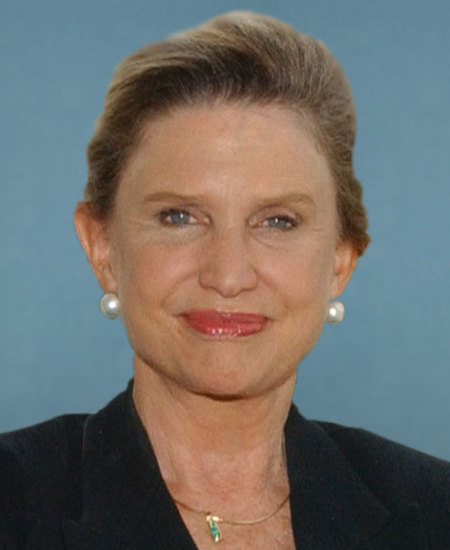
Rep. Carolyn B. Maloney
Sponsored bills
Nullifying Opportunities for Variants to Infect and Decimate Act or the NOVID Act This bill establishes the Pandemic Preparedness and Response Program to coordinate and carry out the U.S. government's global health response to COVID-19, its variants, and other pathogens with pandemic potential. As part of the program, the bill requires, within 30 days, the development of a comprehensive strategy to end the COVID-19 pandemic. The strategy must outline efforts to increase COVID-19 vaccinations worldwide, including through the immediate release of the COVID-19 vaccine doses that the United States committed to sending abroad. The bill also requires a long-term strategy for the program to prevent future pandemics.
Medical Nutrition Equity Act of 2021 This bill expands coverage under Medicare, Medicaid, other specified federal health care programs, and private health insurance to include foods, vitamins, and individual amino acids that are medically necessary for the management of certain digestive and metabolic disorders and conditions.
Keep It in the Ground Act of 2021 This bill eliminates new fossil fuel production projects on federal public land and waters. Specifically, it prohibits the Bureau of Ocean Energy Management (BOEM) from issuing, renewing, reinstating, or extending any nonproducing lease, or issuing any authorization for the exploration or production of fossil fuel on the Outer Continental Shelf. BOEM must also cancel any lease issued in the Beaufort Sea, Cook Inlet, or Chukchi Sea (three of the five bodies of water that encompass the Alaska Outer Continental Shelf). Further, the Bureau of Land Management (BLM) may not issue, renew, reinstate, or extend any nonproducing lease for the exploration or production of any onshore fossil fuels on land subject to the Mineral Leasing Act. The bill provides for exceptions if there is an imminent national security threat that would be significantly reduced by granting an exception. In addition, BOEM and the BLM may allow a nonproducing lease to be renewed or extended if (1) the lease contract was signed before enactment of this bill, and (2) it is determined that giving effect to any provision of this bill is likely to lead to a judicial ruling that there was a material breach of the nonproducing lease contract.
African Burial Ground International Memorial Museum and Educational Center Act This bill establishes the African Burial Ground International Memorial Museum and Educational Center at the African Burial Ground National Monument in New York, New York. The National Park Service shall (1) acquire for the museum property that is located adjacent to the national monument or in any other area of the African Burial Ground National Historic Landmark in the city other than the location adjacent to the monument, and (2) construct the museum on the acquired property. The bill establishes within the Department of the Interior the African Burial Ground Advisory Council to (1) make recommendations on the construction of the museum, and (2) advise and assist Interior on all matters relating to the operation and preservation of the museum.
Paycheck Fairness Act This bill addresses wage discrimination on the basis of sex, which is defined to include pregnancy, sexual orientation, gender identity, and sex characteristics. Specifically, it limits an employer's defense that a pay differential is based on a factor other than sex to only bona fide job-related factors in wage discrimination claims, enhances nonretaliation prohibitions, and makes it unlawful to require an employee to sign a contract or waiver prohibiting the employee from disclosing information about the employee's wages. The bill also increases civil penalties for violations of equal pay provisions. Additionally, the Equal Employment Opportunity Commission (EEOC) and the Office of Federal Contract Compliance Programs must train EEOC employees and other affected parties on wage discrimination. The bill directs the Department of Labor to (1) establish and carry out a grant program to provide training in negotiation skills related to compensation and equitable working conditions, (2) conduct studies to eliminate pay disparities between men and women, and (3) make available information on wage discrimination to assist the public in understanding and addressing such discrimination. The bill establishes the National Award for Pay Equity in the Workplace for an employer who has made a substantial effort to eliminate pay disparities between men and women. It also establishes the National Equal Pay Enforcement Task Force to address compliance, public education, and enforcement of equal pay laws. Finally, the bill requires the EEOC to issue regulations for collecting from employers compensation and other employment data according to the sex, race, and national origin of employees for use in enforcing laws prohibiting pay discrimination.
This resolution commends domestic and international efforts to combat human immunodeficiency virus/acquired immunodeficiency syndrome (HIV/AIDS) and calls for additional actions to address the disease.
Armed Forces Transgender Dependent Protection Act This bill expands the policy of the Office of Special Needs within the Department of Defense to address transgender dependents. Specifically, the bill codifies the definition of a medical or educational special need to include gender dysphoria. Under the bill, the policy of the office must prohibit the assignment of a military family with special needs to a permanent duty location where the law restricts medically necessary treatment for a medical or educational special need. A member who is serving at a location when such a law is established may elect to be reassigned.
Algorithmic Justice and Online Platform Transparency Act This bill establishes requirements for certain commercial online platforms (e.g., social media sites) that withhold or promote content through algorithms and related computational processes that use personal information. The platforms must make disclosures about their collection and use of personal information and their content moderation practices; retain specified records that describe how the algorithms use personal information and assess whether the algorithms produce disparate outcomes based on race and other demographic factors in terms of access to housing, employment, financial services, and related matters; employ algorithms safely and effectively; and allow users to access and transfer their personal information. If a platform uses algorithms to publish or sell advertising, it must maintain a library of the advertisements. The Federal Trade Commission must also adopt rules concerning deceptive advertising. A platform's chief executive officer or other senior officer must certify compliance with disclosure requirements. Additionally, platforms may not (1) employ algorithms or other design features that result in discrimination or similar harms based on demographic or biometric factors, or (2) process information such that it impairs voting rights. Further, users of a platform may not violate civil rights laws using the platform's algorithms. The bill prohibits waivers or other methods that limit rights under the bill; provides whistleblower protections for individuals who report violations; and authorizes enforcement by specified federal agencies, states, and private individuals. The bill also provides funding for an interagency task force to study the discriminatory use of personal information by platforms' algorithms.
Flexibility for Working Families Act This bill allows an employee to request from an employer a temporary or permanent change in the terms or conditions of the employee's employment if the request relates to (1) the number of hours the employee is required to work, (2) the times when the employee is required to work or be on call for work, (3) where the employee is required to work, or (4) the amount of notification the employee receives of work schedule assignments. The bill sets forth certain employer duties with respect to such requests. The bill prohibits an employer from interfering with any rights provided to an employee under this bill. An employee may file a complaint with the Department of Labor for any violations of such rights. Labor shall investigate and attempt to resolve such complaints and may issue orders making determinations and assessing civil penalties or awarding relief for alleged violations. The bill provides for judicial review of such orders, including in federal courts of appeal. Labor and certain federal agencies and offices shall provide information and technical assistance to employers, labor organizations, and the general public regarding compliance with this bill. The Wage and Hour Division of Labor must issue guidance on compliance with providing a flexible work environment through changes in employee terms and conditions of employment as provided in this bill. The requirements of this bill are applicable to certain classes of employees, including employees of the Government Accountability Office and the Library of Congress.