

Maddy summaryHRES 771 is a non-binding resolution expressing the U.S. House of Representatives' support for Israel following Hamas' October 7, 2023, attack. It condemns Hamas' actions, affirms Israel's right to self-defense, and calls for the immediate release of hostages. The resolution also urges enforcement of existing laws restricting aid to terrorists and sanctions against Iran for supporting Hamas. It does not create new policies or allocate funds, as it is a symbolic statement of congressional support.
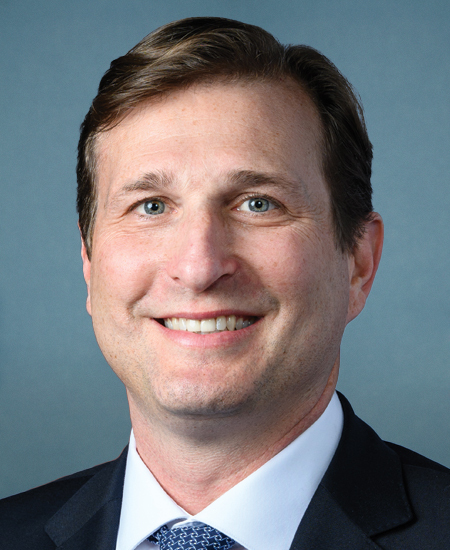
Rep. Daniel S. Goldman
Sponsored bills
Maddy summaryHRES 768 is a symbolic House Resolution expressing congressional support for Israel following Hamas' October 7, 2023 attacks. It condemns Hamas' actions, reaffirms Israel's right to self-defense, and calls for the immediate release of hostages. The resolution references the U.S. commitment to Israel's security through existing military aid programs, including the 2016 U.S.-Israel Memorandum of Understanding, and emphasizes enforcement of laws like the Taylor Force Act to prevent U.S. aid from reaching terrorist groups. As a symbolic resolution, it does not create new policy but serves as a statement of congressional support for Israel.
Maddy summaryThis bill authorizes a one-time $40,000 payment to former Air America employees who served at least five years during 1950-1976, or to their survivors (widows/widowers, dependents, or children). Additional $8,000 payments are provided for each full year of service beyond five years. The total funding is capped at $60 million, with claims due within two years of regulations being finalized. It does not create ongoing benefits or change Air America’s legal status, and payments are issued as a single lump sum.
Maddy summaryThe Safe Schools Improvement Act (HR 6031) requires public elementary and secondary schools to implement comprehensive anti-bullying policies that specifically prohibit harassment based on protected characteristics like race, gender identity, disability, religion, and sexual orientation. It mandates schools to collect and publicly report annual data on bullying incidents while establishing clear grievance procedures for students and parents. The bill also requires states to submit biennial reports on school compliance and supports evidence-based interventions, such as restorative practices, to reduce exclusionary discipline. This legislation directly affects all public K-12 schools and students in the U.S., aiming to create safer learning environments through standardized policy requirements and data transparency.
Maddy summaryThis bill removes a previous exclusion that prevented temporary federal employees (including U.S. Postal Service staff and Members of Congress) from counting service after January 1, 1988, toward their retirement benefits. It allows these workers to have their post-1988 temporary service counted toward retirement eligibility if they pay a deposit to the retirement system. The change applies to anyone employed by the federal government on or after the bill's enactment date. The Office of Personnel Management must notify affected employees and create rules to implement this change.
Maddy summaryHR 5955, the Safe Return Act, amends the State Department's repatriation program to replace loans with grants for specific groups. It directly affects U.S. citizens, lawful permanent residents, and third-country nationals needing financial assistance to return to the U.S. The bill changes eligibility to include destitute lawful permanent residents and updates the program to use "grants" instead of "loans," requiring written grant agreements rather than loan terms. The Secretary of State must also update the Foreign Affairs Manual to reflect these changes.
Maddy summaryThis bill, HR 5920 (Student Loan Marriage Penalty Elimination Act of 2023), changes how married couples can deduct student loan interest on their federal taxes. It amends the tax code to allow each spouse to claim a separate $2,500 deduction limit for student loan interest, instead of a single combined limit for the couple. This directly affects married couples filing jointly who pay student loan interest and qualify for the deduction. The change applies to tax years beginning after December 31, 2022, and ensures the deduction aligns with the tax treatment for individual filers.
Maddy summaryHR 5907, the Stop Transnational Repression Act, creates a new federal crime for foreign governments or their agents to coerce, harass, threaten, or target U.S. persons (including activists, journalists, and dissidents) through physical or digital means, such as hacking, stalking, or intimidation, both within the U.S. and abroad. It establishes penalties of up to 10 years in prison for the offense, with enhanced penalties for violent acts or when committed under foreign government direction. The bill requires the Justice Department to centralize investigations and prosecutions of such cases and mandates annual reports to Congress detailing incidents, tactics used by foreign governments, and government efforts to disrupt transnational repression. This law directly affects U.S. citizens and residents targeted by foreign governments seeking to silence criticism or opposition.
Maddy summaryHR 5653, the "No Budget, No Pay Act," requires Congress to pass a budget plan by April 15 and all annual funding bills by September 30 each year, or members lose pay for the period starting the day after each deadline until the bills are approved. It directly affects all voting Members of Congress (including delegates) during the specified penalty periods, excluding the Vice President. The bill imposes a financial consequence for missing these budget deadlines, aiming to incentivize timely fiscal planning by withholding compensation for the duration of the delay. This is a procedural mechanism focused on budget process deadlines, not on substantive policy changes.
Maddy summaryHR 5667, the Pay Our Military Act, ensures continued pay and allowances for active-duty military members, reservists, Department of Defense civilians, and qualifying contractors during any government funding gap in fiscal year 2024. It appropriates funds from the Treasury to cover these payments if regular appropriations bills aren't passed before the end of the fiscal year. The funding automatically terminates once regular appropriations are enacted or by January 1, 2025, whichever comes first.