

Maddy summaryThis bill establishes a two-year pilot program within the Department of Veterans Affairs (VA) to improve data collection and analysis of suicides and suicide attempts by veterans occurring on VA property (e.g., at medical centers or facilities). It creates a cross-departmental working group - including staff from mental health, health care, benefits, and cemetery offices - to conduct root cause analyses, interview families, and standardize data collection through updated reports and a unified management system. The program requires annual briefings to Congress on findings and mandates annual VA reports starting in 2025 to track trends and recommend prevention strategies. Additionally, it directs the Comptroller General to assess the VA’s suicide prevention efforts, including staffing, policies, and organizational structure.
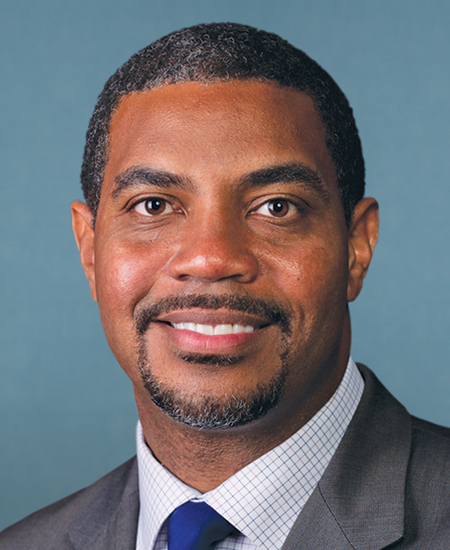
Rep. Steven Horsford
Sponsored bills
Maddy summaryThis bill expands eligibility for VA-furnished headstones, markers, or medallions to include two groups: (1) enslaved individuals who accompanied military personnel during service, and (2) people who performed military functions despite being barred from service due to discrimination based on race, gender, sex, or ethnicity. The VA must create regulations within one year, defining "military function" and accepting evidence like pay records, diaries, or family bibles to verify eligibility. Requests must be made by direct descendants or approved representatives acting on their behalf. The bill requires the VA to submit an implementation report to Congress within 15 months of enactment.
Maddy summaryHR 3601, the Student Veteran Work Study Modernization Act, expands eligibility for a Veterans Affairs work-study allowance to veterans enrolled at least half-time in rehabilitation, education, or training programs - lowering the previous requirement from three-quarter-time. The bill establishes a five-year pilot program to test this change, requiring the VA to apply the same allowance rules to these veterans as to other participants, except for the enrollment threshold. It also mandates annual reports to Congress tracking participation numbers, four-year degree completion rates, and full-time VA employment outcomes for participants. The policy directly affects veterans seeking education benefits while balancing academic and personal responsibilities.
Maddy summaryHJRES 99 would exempt "premium cigars" from federal tobacco regulations under the Federal Food, Drug, and Cosmetic Act. It defines premium cigars by eight specific criteria, including being handmade, containing only tobacco/water/gum, having no filters, and meeting weight requirements. This exemption directly affects manufacturers of cigars meeting this definition, primarily small family-owned businesses. The bill cites a 2022 National Academies report finding premium cigars are used by only 1% of U.S. adults, mainly by non-daily adult users with lower health risks than other tobacco products. If enacted, it would remove federal FDA oversight for these cigars, shifting regulation to states.
Capping Prescription Costs Act of 20 2 3 This bill caps the monthly cost-sharing amount permitted for prescription drugs under qualified health plans and group health plans.
Maddy summaryThe TREES Act of 2023 establishes a federal grant program to fund tree planting projects that reduce residential energy use. It provides 90% federal funding (up to $50 million annually) for projects in neighborhoods with high energy burdens, low tree canopy, or vulnerable populations like seniors and low-income households. Eligible applicants - including state/local governments, tribes, nonprofits, and power companies - must demonstrate how planting specific tree species will cut cooling and heating costs through shade and wind protection. The program aims to plant at least 300,000 trees yearly, prioritizing projects that maximize energy savings for households spending a high percentage of income on energy bills.
Maddy summaryHCONRES 75 is a non-binding resolution expressing Congress's support for issuing a new commemorative postage stamp honoring the Buffalo Soldiers. It directly affects the U.S. Postal Service by urging the Citizens’ Stamp Advisory Committee to recommend such a stamp to the Postmaster General. The resolution highlights the historical significance of the Buffalo Soldiers - African American soldiers who served in all-Black regiments from 1866 to 1948 - and references a previous 1994 stamp that was discontinued. It does not create a new law but formally requests the Postal Service consider this commemoration.
This concurrent resolution recognizes the difficult challenges Black veterans faced when returning home after serving in the Armed Forces, their heroic military sacrifices, and their patriotism in fighting for equal rights and for the dignity of a people and a nation. The concurrent resolution also recognizes the need for the Department of Veterans Affairs to continue to work to eliminate any health and benefit disparities for minority veterans.
Maddy summaryThe Hire Student Veterans Act expands the Work Opportunity Tax Credit to include veterans using educational benefits (like the GI Bill) to attend school. It directly affects employers who hire veterans receiving education assistance under specific veterans' education laws (such as Chapter 30, 33, or 1606/1607 of U.S. Code). The bill adds these veterans to the tax credit program, allowing employers to claim a credit for hiring them, while adjusting the minimum employment period requirement to exclude this group. This change applies to veterans hired after the bill's enactment, providing a financial incentive for employers to hire student veterans.
Maddy summaryThis bill requires military commanders to approve leave for active-duty service members and their dependents seeking abortion care without needing to disclose the specific procedure. It mandates reimbursement for travel costs to clinics providing abortion services when local access is unavailable and protects the privacy of those using this leave. The bill explicitly prohibits any negative consequences for service members who request or take such leave. It directly affects military personnel and their families by ensuring timely, private, and accessible abortion care without command interference.