

Maddy summaryHRES 1515 designates October 1, 2024, as "National Animal Rescue Day" to raise public awareness about animal adoption, promote spaying and neutering to reduce pet overpopulation, and encourage more adoptions nationwide. The resolution supports community events, educational efforts, and charitable activities on that day to assist animal shelters and reduce the number of animals euthanized. It is a non-binding symbolic gesture without legal force, intended to unite communities around animal rescue initiatives.
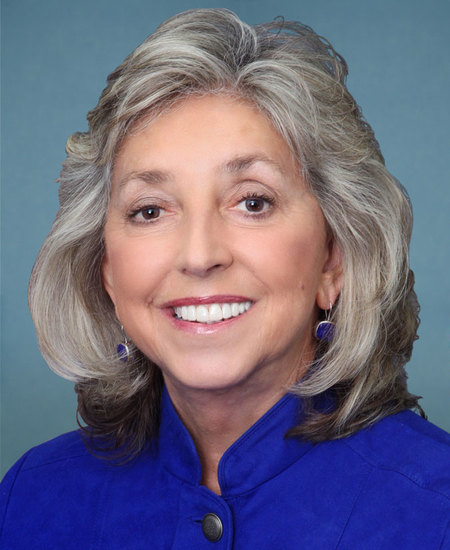
Rep. Dina Titus
Sponsored bills
Maddy summaryHR 9807, the Strengthening Access to Contraceptive Care Act, provides $100 million annually (2025-2029) in federal grants to health centers in areas with limited contraceptive access, known as "contraceptive deserts." The bill directly supports clinics, hospitals, and community organizations in underserved communities - particularly impacting Black, Hispanic, and low-income individuals who face barriers to contraception - by funding expanded services. Grants cover essential activities like patient education on all contraceptive methods, purchasing supplies (including emergency contraception), telehealth services, hiring staff, and creating culturally appropriate materials. This aims to increase provider capacity to offer comprehensive, person-centered contraceptive care without coercion, addressing documented gaps where over 19 million people lack access to full contraceptive options.
Maddy summaryHR 8119, the PEARL Act, establishes a 3-year pilot program at U.S. Customs and Border Protection (CBP) to adopt therapy dogs from local animal shelters for emotional support of CBP personnel. The bill requires the Secretary of Homeland Security to create the program within 60 days of enactment, train shelter dogs as therapy dogs, and reimburse CBP for related costs. It also authorizes $1,000,000 for CBP's existing Support Canine Program. The bill directly affects CBP officers and staff by introducing a new emotional wellness resource through therapy dog interactions.
Maddy summaryHR 1719, the Honoring Our Fallen Heroes Act of 2023, establishes a presumption that certain cancers diagnosed in public safety officers (like police and firefighters) are work-related if linked to their duties. It defines 22 specific cancers (including lung, mesothelioma, and WTC-related cancers) as "exposure-related," allowing officers or their families to receive benefits without proving direct work connection, provided they were diagnosed within 15 years of leaving active service. The bill also creates a process for adding new cancers to the list based on scientific evidence, requiring the Bureau to review petitions and make decisions within 180 days. This applies to deaths or disabilities occurring on or after January 1, 2023, directly affecting officers who developed covered cancers during service.
Maddy summaryHCONRES 130 is a symbolic concurrent resolution commending state and local governments that treat reproductive rights as human rights following the *Dobbs* decision. It recognizes efforts by cities like Austin, Texas, and Montgomery County, Maryland, to expand abortion access and condemn criminalization of pregnancy outcomes. The resolution affirms that reproductive rights are human rights, urges states to repeal restrictive laws, and references U.S. obligations under international human rights treaties. As a non-binding resolution, it does not create new laws or alter existing policies.
Maddy summaryThe DISPOSE Act authorizes the U.S. government to partner with Colombia, Mexico, and Peru to safely destroy chemicals used in illegal drug production. It requires the State Department, in coordination with Justice and Defense, to create a detailed implementation plan within 90 days - including timelines, budgets, and measurable goals - and provide annual progress reports to Congress on chemical destruction efforts. The initiative aims to prevent these chemicals from re-entering drug manufacturing, free storage space for future seizures, and reduce environmental harm from hazardous waste.
Maddy summaryHR 9082, the Summit of the Americas Act, authorizes the U.S. government to regularly host the Summit of the Americas every four years (or more frequently with funding) to strengthen cooperation with Western Hemisphere nations and partner groups. It specifically directs the Secretary of State to coordinate a separate "Cities Summit of the Americas" as part of each main summit, focusing on subnational city and regional leaders. The bill creates a new State Department implementation unit to track U.S. and partner commitments from these summits, requiring quarterly public updates and annual congressional reports for five years. This act directly affects the State Department's operations and U.S. diplomatic engagement with Western Hemisphere partners.
Maddy summaryThis bill clarifies Medicare rules to allow doctors to provide certain critical medications directly in their offices without extra administrative hurdles. It specifically amends a Medicare provision (Section 1877(b)(2) of the Social Security Act) to remove a requirement that drugs furnished in-office must follow specific administrative rules, effective May 11, 2023. The bill also directs the removal of conflicting Medicare guidance published in 2021 and 2023, which had previously restricted this practice. This change directly affects Medicare beneficiaries (seniors) and doctors' offices that supply covered medications during patient visits. It streamlines access to necessary drugs by eliminating an unnecessary barrier to in-office medication administration under Medicare.
Maddy summaryHR 3433, the "Give Kids a Chance Act of 2024," requires pharmaceutical companies developing certain cancer drugs to conduct pediatric studies if the drugs target molecular pathways relevant to childhood cancers. It directly affects drug manufacturers submitting new applications for cancer treatments, particularly those combining previously approved adult cancer drugs or containing a single new active ingredient. The bill amends FDA regulations to mandate these pediatric investigations only when specific conditions are met, such as when a drug's molecular target is relevant to pediatric cancer growth. The FDA must issue implementing guidance within 12 months, and reports to Congress will track implementation and effectiveness starting 2 years after enactment.
Maddy summaryHRES 1487 is a symbolic resolution designating September 23-29, 2024, as "Asian American and Native American Pacific Islander-Serving Institutions Week." It recognizes the work of institutions serving Asian American, Native Hawaiian, and Pacific Islander students - such as those enrolling 10%+ of these students and awarding over 45% of bachelor’s degrees for these groups - without creating new policies or funding. The resolution encourages higher education institutions to seek funding for culturally relevant programs and asks the public to observe the week through activities supporting these institutions. It has no direct legal effect or impact on beneficiaries beyond raising awareness.