

Maddy summaryHRES 1332 is a symbolic resolution recognizing June as LGBTQIA+ Pride Month. It encourages the celebration of Pride Month to honor the historical struggles and achievements of LGBTQIA+ people in the United States, while acknowledging the ongoing challenges they face. This resolution does not create new laws or policies, but serves as a formal recognition of LGBTQIA+ rights as human rights and highlights their integral role in American history. The resolution was introduced by multiple members of Congress and passed by the House of Representatives.
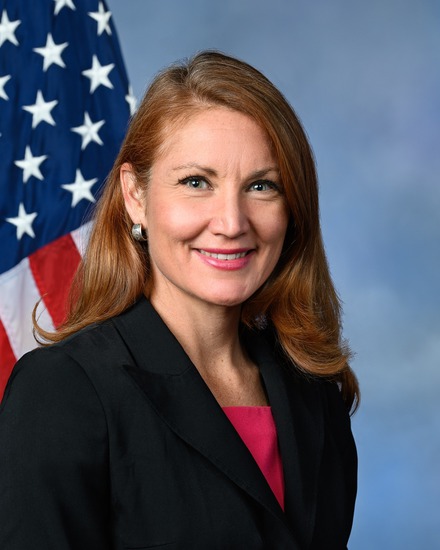
Rep. Melanie A. Stansbury
Sponsored bills
Maddy summaryHR 8911, the Worker Rights and Support Act, requires most employers to provide specific breaks to employees under the Fair Labor Standards Act. It mandates 30-minute meal breaks after 6 hours of work (unpaid unless work continues), 10-minute rest breaks every 4 hours (paid), and medical breaks (up to 20 minutes per need, paid) for documented health conditions. The bill ensures breaks are paid if employees aren't fully relieved of work duties or can't leave the premises. It does not override collective bargaining agreements or stricter state laws, and adds enforcement penalties for violations of these break requirements.
Maddy summaryThe SAFES Act creates a federal tax credit for individuals who purchase gun safes, allowing them to deduct 90% of the cost, up to $500 per person or $1,000 for joint returns. For purchases made before 2030, any qualifying gun safe qualifies; after 2029, only safes meeting standards set by the Secretary of Health and Human Services (HHS) will be eligible, based on an HHS report required within five years of enactment. The bill prohibits requiring taxpayers to disclose firearm ownership details to claim the credit. This policy directly affects individual firearm owners seeking to reduce tax liability through safe storage purchases.
Maddy summaryThis bill bans developers and deployers of AI algorithms from using them to deceive voters about election procedures (like voting locations or registration rules) or intimidate people from voting. It requires clear disclaimers - such as "AI Disclaimer: This output was generated by artificial intelligence" - on AI-generated election content, including fake candidate videos or altered voting information. The law sets safety standards for election-related AI, requiring developers to ensure algorithms are "safe and effective" before use. The Federal Trade Commission enforces these rules, with violations potentially leading to fines or up to one year in prison.
Maddy summaryThis bill (HR 1208) amends the 1934 Indian Reorganization Act to clarify that the Secretary of the Interior can take land into trust for any federally recognized tribe, updating outdated language. It specifically revises Section 19 to replace "any recognized Indian tribe now under Federal jurisdiction" with "any federally recognized Indian Tribe." The bill also ratifies and confirms all past land trust decisions made for federally recognized tribes, protecting those actions from legal challenges based on historical recognition status. This change directly affects federally recognized tribes by ensuring their land trust authority remains valid under current law.
Maddy summaryHR 8830, the High Court Gift Ban Act, sets strict limits on gifts federal judges may accept. It prohibits judges from receiving gifts valued over $50 from a single source in a year, unless the total from that source stays under $100 annually. Key exceptions include gifts paid for by the judge, gifts from relatives, honorary degrees from educational institutions, and public opportunities available to all federal employees. The bill also outlines enforcement mechanisms, requiring the Judicial Conference to refer violations to the Attorney General for civil or criminal penalties. This directly affects all federal judges, including Supreme Court justices and lower court judges, by restricting gifts from sources that may have business before them.
Maddy summaryThis bill amends the Occupational Safety and Health Act to explicitly include public employees - such as those working for federal, state, or local government agencies - under OSHA's coverage. It changes the definition of "employee" to specify that public sector workers are protected, removing previous exclusions. The law takes effect 90 days after enactment for most workplaces, but gives states and local governments without OSHA-approved plans up to 36 months to comply. This directly affects public service workers in government roles by bringing their workplace safety protections under the same federal OSHA framework as private-sector employees.
Maddy summaryThis bill requires employers to provide safety warnings and materials in English and a language workers actually understand, tailored to their literacy level and education. It directly affects workers with limited English proficiency (including those whose native language differs from English or who live in non-English-speaking communities) in workplaces like agriculture and service industries. Key provisions include amending OSHA to mandate multilingual safety information, directing the Labor Secretary to update safety standards within 180 days, and creating competitive grants to fund translation services for covered workers. Grants prioritize organizations serving migrant workers or those in agriculture/service sectors, with reporting requirements to track assistance.
Maddy summaryHR 8732, the Domestic Workers Bill of Rights Act, would establish new labor protections for domestic workers including nannies, housekeepers, and caregivers who work in private homes. The bill requires written agreements between employers and domestic employees, provides earned sick days, ensures fair scheduling practices, and prohibits unfair wage deductions for cash shortages or communications. It also creates a Domestic Employee Standards Board to recommend workplace standards and establishes a National Domestic Employee Hotline for assistance. The bill specifically targets domestic workers who have historically been excluded from labor protections under the Fair Labor Standards Act and Civil Rights Act, benefiting an estimated 2.2 million domestic workers in the U.S. who are disproportionately women of color and immigrants.
Maddy summaryHRES 1295 is a symbolic resolution expressing the House's support for recognizing Sunday, June 16, 2024, as Father's Day. It does not create new laws or policies but formally acknowledges the role of fathers in families and society. The resolution urges support for existing policy goals like universal paid family leave, affordable childcare, and child tax credits - though it does not mandate any changes. It directly affects all fathers and families in the U.S. by affirming their importance, but has no binding legal effect. This is a procedural resolution, not a legislative bill with concrete policy changes.