

Maddy summaryThe Promoting Accessibility on Federal Lands Act of 2024 requires the Secretaries of Agriculture and the Interior to conduct a comprehensive assessment of accessibility for individuals with disabilities at federal trails, campsites, boat docks, and outdoor recreation facilities on National Forest System lands and public lands. Within 180 days of receiving funding, these assessments must be completed and made publicly available on the Department of Agriculture and Department of the Interior websites. Existing accessibility evaluations conducted before the bill's enactment may be incorporated into the required assessment. This legislation establishes a standardized process to document current accessibility conditions without mandating immediate facility modifications.
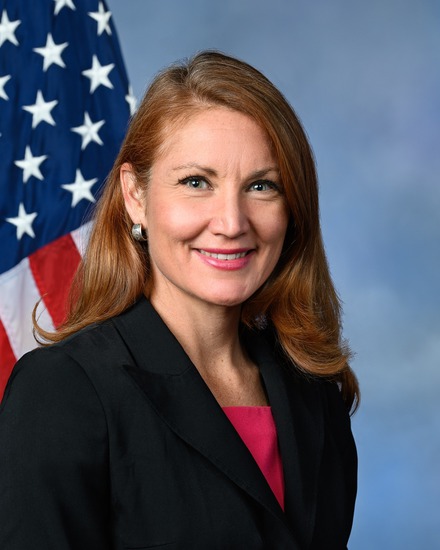
Rep. Melanie A. Stansbury
Sponsored bills
Maddy summaryThis bill requires the Secretary of Agriculture or Interior (depending on land type) to issue federal guidance within 18 months recognizing recreational rock climbing, fixed anchors, and necessary climbing equipment as allowable activities in designated wilderness areas. The guidance must align with the Wilderness Act and other applicable laws, while ensuring public notice and comment for significant management changes (except short-term emergencies). It directly affects climbers and federal land managers overseeing National Forest System lands and Interior Department lands within wilderness areas. The bill does not alter existing wilderness regulations but mandates agencies to formally acknowledge climbing as a permitted activity.
Maddy summaryThis bill (HR 7516) updates the Indian Health Care Improvement Act to clarify and improve reimbursement for Native American patients who pay out-of-pocket for authorized "purchased/referred care" services through the Indian Health Service (IHS). It requires the IHS to establish procedures within 120 days to reimburse patients within 30 days of receiving documentation (electronically or in-person) for such care. The bill replaces outdated terms like "contract health care" with "purchased/referred care" throughout the law and clarifies that the IHS is not liable to debt collectors for these payments. It directly affects Native American patients who receive IHS-authorized care outside of regular IHS facilities.
Maddy summaryHR 3396, the Fire Department Repayment Act of 2023, requires the Secretaries of Agriculture, Interior, Homeland Security, and Defense to establish standard procedures for federal fire suppression cost share agreements within one year. It mandates reviewing existing agreements to align them with local cooperative fire protection agreements and conducting second-level reviews after wildfires, involving state and local fire organizations. The bill directly affects fire departments and agencies participating in these cost-sharing arrangements under the Reciprocal Fire Protection Act. Key changes include standardized procedures for agreement management and post-wildfire reviews to ensure cost-sharing compliance.
Maddy summaryThis bill makes permanent Medicare telehealth flexibilities for Indian health programs and urban Indian organizations. It allows patients in tribal communities to receive covered telehealth services from home (not just medical facilities) and expands coverage to include audio-only visits starting January 1, 2025. The policy directly affects tribal health providers, urban Indian organizations, and Medicare beneficiaries living in tribal communities who rely on these services. These changes ensure consistent access to telehealth care under Medicare without requiring physical clinic visits for eligible patients.
Maddy summaryThe Patient Debt Relief Act requires Medicare-participating hospitals to establish clear financial assistance policies by January 2026, including publicly available eligibility criteria and 30-day pre-payment screening for charity care. It prohibits hospitals from placing home liens, garnishing wages, or selling debt to collectors without offering income-based repayment plans (capping payments at 4% of gross monthly income) and eliminates interest for patients earning under 250% of the poverty line. Hospitals failing to comply face civil penalties up to $1 million per violation. The bill also creates a $100 million grant program to fund nonprofits that discharge medical debt for individuals meeting income thresholds (5% of income or under 400% of poverty line), with quarterly reporting requirements. These provisions apply directly to hospitals and low-income patients with medical debt.
Maddy summaryHR 8796, the "Stop Comstock Act," removes outdated restrictions from federal law that previously banned the distribution of materials related to contraception and abortion as "obscene" or "indecent." The bill amends Title 18 and the Tariff Act by deleting references to "indecent," "immoral," "unlawful abortion," and "procuring abortion" from provisions governing obscene materials. It clarifies that the law only prohibits "obscene materials" in commerce, eliminating broad restrictions on reproductive health information. This directly affects internet platforms, healthcare providers, and individuals sharing reproductive health resources by removing legal barriers to their distribution.
Maddy summaryThis bill requires Medicare Advantage plans to implement electronic prior authorization systems by 2027 and publish detailed data on their approval and denial rates for medical services by 2026. It directly affects Medicare Advantage plans (private insurers offering Medicare coverage) and their enrollees (seniors 65+), mandating transparency about prior authorization decisions, processing times, and appeal outcomes. Key provisions include requiring plans to report annual statistics on request approvals/denials, average processing times, and use of technology, with this data published publicly by the Centers for Medicare & Medicaid Services. The bill also sets timelines for plan responses to prior authorization requests and mandates reports to Congress on implementation and impacts.
Maddy summaryHR 8390, the Mental Health and MAMA Act of 2024, eliminates cost-sharing (like copays or deductibles) for mental health and substance use disorder services during pregnancy and for one year after birth. It applies to people enrolled in group health plans, individual insurance, or federal employee health plans, covering services provided by in-network providers. The bill requires insurers to waive these costs starting two years after enactment, explicitly including telehealth services. It specifically targets care for pregnant and postpartum individuals, ensuring coverage from pregnancy diagnosis through the 12 months following birth.
Maddy summaryThe Essential Caregivers Act of 2024 requires nursing homes and similar facilities to allow residents to designate essential caregivers who provide emotional support or assistance with daily activities. During emergencies when regular visitation is restricted, facilities must permit at least one essential caregiver access to residents daily and cannot deny access without following specific procedures. Facilities may deny access for a maximum of 7 days during emergencies (or 14 days with state approval), and must provide a written explanation and appeal process if access is denied. The bill establishes a 48-hour appeal process for residents and caregivers to challenge denials, with facilities required to prove violations during appeals. This law applies to Medicare skilled nursing facilities, Medicaid nursing facilities, intermediate care facilities, and certain inpatient rehabilitation facilities.