

Maddy summaryHR 1449, the Energy Resilient Communities Act, creates a federal grant program to fund clean energy microgrids that support critical community infrastructure like hospitals, schools, and emergency facilities. Eligible entities - including states, local governments, nonprofits, and tribal agencies - can apply for grants covering up to 90% of costs for technical assistance, community outreach, or microgrid projects in environmental justice communities. Key provisions prioritize projects that reduce emissions, lower energy costs for low-income residents, minimize land use impacts, and ensure 40% of construction labor comes from local residents meeting specific criteria (e.g., displaced workers, environmental justice community members). The program authorizes $1.5 billion over 10 years, with at least 10% reserved for community-owned microgrid projects, and requires annual reporting on project outcomes and labor practices.
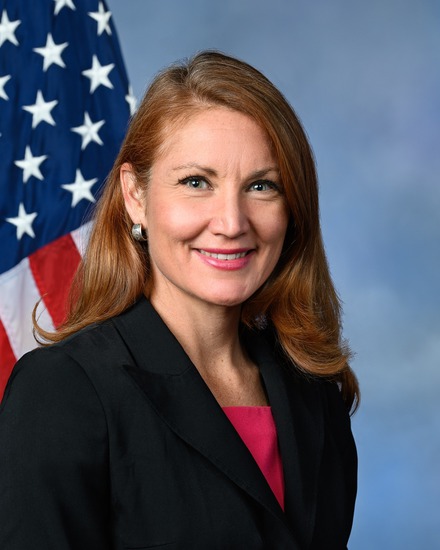
Rep. Melanie A. Stansbury
Sponsored bills
Maddy summaryThe Navajo-Gallup Water Supply Project Amendments Act of 2025 updates the Navajo Nation's water project to better serve its communities. It expands the Project Service Area to include additional communities in New Mexico and Arizona, and creates a Deferred Construction Fund to manage costs for facilities that may be built later. The bill clarifies land trust provisions for the Navajo Nation and establishes separate trust funds for water resources development, operations, maintenance, and replacement costs for both the Navajo Nation and the Jicarilla Apache Nation. It also includes provisions for delivering non-Project water to communities in Utah under specific conditions while ensuring the project's timeline and funding remain intact.
Increasing Access to Dental Insurance Act This bill permits individuals to enroll in a dental benefits plan on a health insurance exchange without also enrolling in a qualified health plan.
Maddy summaryHR 1433, the Kids’ Access to Primary Care Act of 2025, sets a minimum Medicaid payment rate of 100% of Medicare’s rate for primary care services provided to children. It directly affects Medicaid-covered children and expands eligibility for providers to include pediatricians, family medicine physicians, nurse practitioners, physician assistants, certified nurse-midwives, and rural health clinics or Federally-qualified health centers (FQHCs) under specific conditions. Key provisions require Medicaid managed care plans to pay these providers at the minimum rate, with documentation requirements to verify compliance, and exclude emergency department services from the definition of primary care. The bill also mandates a study to track enrollment and payment rate changes across states after implementation.
Buffalo Soldiers Congressional Gold Medal Act of 2025 This bill provides for a Congressional Gold Medal to be awarded to the Buffalo Soldier regiments (six all-Black cavalry and infantry regiments authorized by Congress in 1866 to serve in the Armed Forces) in recognition of their vital service to the United States.
Maddy summaryHR 1410 expands access to mental health care for 9/11 responders and survivors by allowing licensed mental health providers (not just physicians) to conduct initial health evaluations and certifications under the World Trade Center Health Program. It adjusts the program’s funding formula to account for changing enrollment numbers by linking annual funding to the previous year’s enrollment ratio, and clarifies that deceased individuals are excluded from enrollment counts. The bill also extends the timeframe for adding new health conditions to the program’s list and requires a 2028 report assessing long-term funding needs through 2090. These changes aim to streamline eligibility, improve care access, and ensure sustainable funding for the program.
Maddy summaryHR 1444, the Zuni Indian Tribe Water Rights Settlement Act of 2025, establishes a settlement for the Zuni Tribe's water rights in the Zuni River Stream System by confirming the Tribe's water rights held in trust by the U.S. government. The bill creates a $655.5 million Trust Fund for water infrastructure development and management, plus $29.5 million for operation and maintenance, with funds to be used for projects like water treatment, irrigation systems, and watershed protection. It also protects approximately 217,000 acres of culturally significant land around Zuni Salt Lake by withdrawing Federal land from development and imposing management restrictions. The settlement ensures Tribal water rights cannot be forfeited for non-use and maintains existing water rights for individual allottees on Zuni Lands.
Maddy summaryThe Food Deserts Act (HR 484) creates a federal grant program to help establish grocery stores in underserved communities by providing capitalization grants to states. States would use these grants to build revolving funds that make low-interest loans to grocery stores meeting specific criteria, such as offering unprocessed foods, affordable pricing, and local hiring. The program prioritizes stores that source from local farms, provide nutrition education, and commit to keeping healthy foods in stock, while requiring applicants to contribute 20% of loan costs from non-federal funds. It authorizes $150 million for fiscal year 2026 to support these loans, which must be repaid over up to 30 years to replenish the revolving fund for future use.
This concurrent resolution declares that Congress should not impose any new performance fee, tax, royalty, or other charge relating to the public performance of sound recordings on a local radio station for broadcasting sound recordings over the air, or on any business for such public performance of sound recordings.
Maddy summaryThis bill ratifies a water rights settlement agreement between the Navajo Nation, the State of New Mexico, and other parties for the Rio San José Stream System. It establishes a $223.27 million trust fund (with $200.27 million from federal funds) to support water infrastructure projects, water rights management, and environmental compliance on Navajo Nation lands. The agreement resolves longstanding water rights claims for the Navajo Nation, confirms their water rights in the Rio San José Stream System and Rio Puerco Basin, and includes protections for allottee water rights. The settlement becomes effective on the "Enforceability Date" after certain conditions are met, including court approval and fund deposits.