

Working for Immigrant Safety and Empowerment Act or the WISE Act This bill expands eligibility for U nonimmigrant visas (victims of criminal activity) and prohibits immigration enforcement activities in specified areas. Generally, U visas are for victims of specified crimes (e.g., rape, trafficking, or domestic violence) who assist with the investigation or prosecution of the crime. The bill adds hate crimes, child abuse, and elder abuse as crimes that may qualify a victim for a U visa and removes criteria related to the victim's assistance with the investigation or prosecution of the crime. Furthermore, the Department of Homeland Security (DHS) must provide work authorization to U visa applicants, whereas currently DHS may grant work authorization but is not required to do so. The bill also eliminates the annual numerical cap on U visas. The bill establishes a rebuttable presumption that certain individuals, including U visa applicants and T visa (victims of human trafficking) applicants, shall not be detained while the application is pending. Additionally, the bill provides immigration-related protections, such as by extending the admission period and providing work authorization, to the spouse or child of a nonimmigrant visa holder who subjected that spouse or child to battery or extreme cruelty. Further, the bill prohibits, with some exceptions for exigent circumstances, U.S. Immigration and Customs Enforcement or U.S. Customs and Border Protection from conducting immigration enforcement actions within 1,000 feet of a school, health care facility, place of worship, or other location specified in the bill.
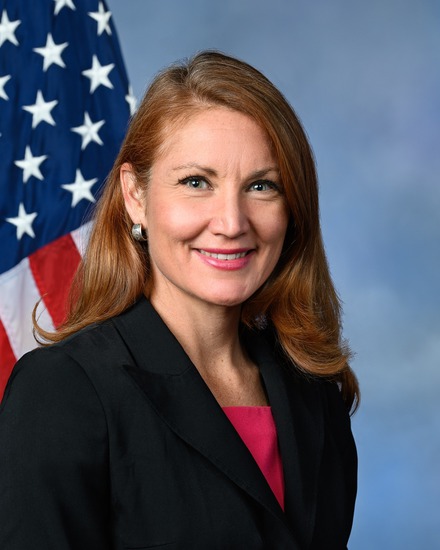
Rep. Melanie A. Stansbury
Sponsored bills
Maddy summaryHR 2824, the Employee Limits ON Profiteering Act, prohibits the federal government from awarding contracts, grants, or other federal awards to "special government employees" or their covered family members/organizations. It directly affects federal employees serving in specific roles (like advisory committees) and their spouses, children, partners, or organizations they lead or work for. The bill requires updating the Federal Acquisition Regulation within 60 days to implement this prohibition, with an exception allowing advisory committee service. This is a procedural change to federal contracting rules, not a new policy affecting the general public.
Maddy summaryHR 2905, the Ensuring Agency Service Quality Act, requires federal executive agencies and military departments to maintain specific staffing levels as defined by law, overriding prior provisions. It mandates that agency heads notify Congress within seven days if they cannot meet these required staffing levels, providing an explanation for the shortfall. The bill directly affects all executive agencies and military departments covered under Title 5 of the U.S. Code. Its key mechanism is the new staffing requirement combined with the mandatory noncompliance reporting process to Congress.
Maddy summaryThe Buffalo Tract Protection Act (HR 2893) permanently withdraws approximately 4,288 acres of federal land in New Mexico from mining and mineral leasing under federal law. This directly affects the Bureau of Land Management (which administers the land) and prevents new mining claims or mineral development on the specified Tracts A-D. The bill allows the surface rights of this land to be conveyed (sold or transferred) under existing federal land laws, but requires the federal government to retain all mineral rights. This is a permanent land protection measure focused on preserving the land's surface use potential while safeguarding mineral resources for the federal government.
Maddy summaryThe M.H. Dutch Salmon Greater Gila Wild and Scenic River Act designates specific segments of rivers in New Mexico - including the Gila River system, Apache Creek, and Black Canyon Creek - as "wild" or "recreational" rivers under the federal Wild and Scenic Rivers system. It withdraws federal lands within these designated segments from mining, grazing, and other development activities while preserving existing rights like water rights, grazing permits, and mining operations outside the designated areas. The bill also modifies boundaries of the Gila Cliff Dwellings National Monument and Gila National Forest by transferring approximately 440 acres from the Forest Service to the National Park Service. Management plans must be created for these rivers, requiring consultation with tribal governments and local communities. The bill ensures existing water infrastructure, native fish habitat projects, and treaty rights for Native American tribes are protected.
Maddy summaryHR 2843 establishes an Advisory Committee to review and recommend renaming Federal land units (such as national parks, forests, and wildlife refuges) with names containing racial slurs, honoring individuals who held racist views or committed atrocities against minorities, or perpetuating stereotypes. The Committee will gather public input, propose new names, and submit recommendations to the Board on Geographic Names, which must act on these proposals within three years. This process aims to replace offensive names with equitable alternatives across all federal lands, following defined criteria for "offensive place names." The bill creates a structured, public review mechanism to address historically insensitive geographic names without altering existing federal land management authority.
Maddy summaryHR 2861, the Chaco Cultural Heritage Area Protection Act of 2025, blocks oil and gas development on federal lands surrounding Chaco Culture National Historical Park in New Mexico. The bill terminates non-producing oil and gas leases on these lands and withdraws them from future mineral leasing, protecting the area’s cultural resources and dark skies. It directly affects oil and gas companies holding leases in the designated area and aims to safeguard sacred sites, prehistoric roads, and the park’s status as an International Dark Sky Park. The law preserves the cultural landscape for Pueblo Tribes, Navajo Nation, and Hopi Tribe, who have ongoing ceremonial ties to the region.
Maddy summaryHRES 187 is a resolution of inquiry requesting the President to provide the House of Representatives with complete, unedited documents within 14 days. It specifically asks for records related to federal employees placed on administrative leave, removed, terminated, or reassigned following actions by Elon Musk, the DOGE agency team, or the Trump administration. The resolution also seeks documents about workforce reductions affecting Diversity, Equity, and Inclusion (DEI) staff and communications regarding the removal of inspectors general. This procedural request aims to obtain transparency on executive branch actions, not to enact new policy.
Maddy summaryHRES 186 is a procedural resolution requesting the President to provide unredacted documents to the House of Representatives within 14 days. It specifically asks for any records related to Elon Musk’s government connections, including his role with the fictional "DOGE Service," potential conflicts of interest, and business ties involving his companies or board positions. The resolution does not create new law but seeks transparency about Musk’s government-related activities as requested by the House. This is a formal inquiry, not a legislative action affecting public policy.
Maddy summaryThe Adult Education WORKS Act establishes "college and career navigators" who provide personalized guidance to help individuals access education, job training, and workforce development services. These navigators help people identify career paths, connect to financial aid, and develop digital literacy and information literacy skills needed for success in education and employment. The bill requires state and local workforce boards to collaborate with adult education providers to promote these navigator positions and authorizes $135 million annually for library-based and community-based navigator programs. It updates definitions to include digital and information literacy skills as essential components of adult education. The bill directly affects adult education providers, workforce development systems, and individuals seeking to improve their job skills or educational opportunities.