

Maddy summaryHR 3124 establishes a National Science Foundation grant program to increase participation of women, underrepresented minorities (including Black, Hispanic, Native American, Pacific Islander, and Asian subgroups), LGBTQ+ individuals, and people with disabilities in STEM fields. The bill authorizes $15 million annually for grants to organizations that implement activities like mentoring programs, STEM internships, online workshops, and outreach to K-12 students. These grants specifically target efforts to improve recruitment, retention, and workforce representation for groups facing documented underrepresentation in STEM education and careers. The program directly affects educational institutions, nonprofits, and community organizations working to support these underrepresented groups through evidence-based initiatives.
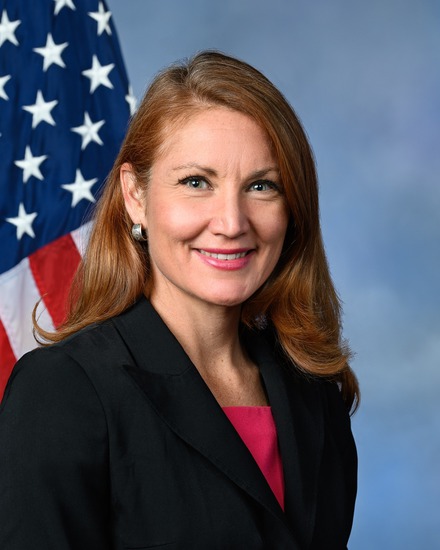
Rep. Melanie A. Stansbury
Sponsored bills
Maddy summaryHRES 360 is a symbolic resolution designating the last Tuesday of April each year as "APOL1-Mediated Kidney Disease (AMKD) Awareness Day." It directly addresses health disparities affecting Black Americans, who are disproportionately impacted by AMKD - a rapidly progressive kidney disease linked to APOL1 gene variants (carried by an estimated 13% of Black Americans). The resolution encourages public awareness of AMKD, promotes genetic testing for at-risk individuals (particularly those with Western/Central African ancestry), and urges proactive health measures like regular doctor visits and healthy lifestyles. As a non-binding resolution, it does not create new laws or allocate funds but aims to raise public and medical attention to this specific health disparity.
Maddy summaryThe Equality Act (HR 15) amends federal civil rights laws to explicitly prohibit discrimination based on sexual orientation and gender identity in employment, housing, public accommodations, credit, and jury service. It expands existing protections under the Civil Rights Act of 1964 by adding sexual orientation and gender identity as protected characteristics under sex discrimination prohibitions. The bill clarifies that discrimination against LGBTQ people is a form of sex discrimination, consistent with the Supreme Court's Bostock decision, and adds specific definitions for gender identity and sexual orientation. This legislation directly affects businesses, employers, housing providers, financial institutions, and government entities that serve the public. The bill creates a more comprehensive legal framework to address discrimination that LGBTQ people face in multiple aspects of daily life.
Maddy summaryHR 3084, the Stealthing Act of 2025, creates a federal civil remedy for victims of non-consensual condom removal during sexual activity. It allows individuals to file lawsuits in federal court if the act occurred in a situation involving interstate commerce (e.g., using online communication, payment methods, or travel across state lines). Victims may seek compensatory damages, punitive damages, and other court-ordered relief. The bill specifically defines "stealthing" as removing a condom or similar barrier without consent, directly affecting individuals who experience this violation and those who commit it under federal jurisdiction.
Maddy summaryHR 3067, the Arctic Refuge Protection Act, repeals the existing oil and gas program for the Arctic National Wildlife Refuge (ANWR) and designates approximately 1.56 million acres of the refuge's Coastal Plain as wilderness. This directly affects federal management of the ANWR, halting potential oil drilling in the designated area. The bill requires the Secretary of the Interior to administer the newly designated wilderness area under the Wilderness Act, treating it as part of the existing wilderness within ANWR. The change prevents future oil and gas development on this specific portion of the refuge.
Medicare for All Act This bill establishes a national health insurance program that is administered by the Department of Health and Human Services (HHS). Among other requirements, the program must (1) cover all U.S. residents; (2) provide for automatic enrollment of individuals upon birth or residency in the United States; and (3) cover items and services that are medically necessary or appropriate to maintain health or to diagnose, treat, or rehabilitate a health condition, including hospital services, prescription drugs, mental health and substance abuse treatment, dental and vision services, long-term care, gender affirming care, and reproductive care, including contraception and abortions. The bill prohibits cost-sharing (e.g., deductibles, coinsurance, and copayments) and other charges for covered services. Additionally, private health insurers and employers may only offer coverage that is supplemental to, and not duplicative of, benefits provided under the program. Health insurance exchanges and specified federal health programs terminate upon program implementation. However, the program does not affect coverage provided through the Department of Veterans Affairs or the Indian Health Service. The bill also establishes a series of implementing provisions relating to (1) health care provider participation; (2) HHS administration; and (3) payments and costs, including the requirement that HHS negotiate prices for prescription drugs. Individuals who are age 18 or younger, age 55 or older, or already enrolled in Medicare may enroll in the program starting one year after enactment of this bill; other individuals may buy into the program at this time. The program must be fully implemented two years after enactment.
Maddy summaryThis bill provides federal funding incentives to states that enact laws prohibiting nonconsensual removal of sexual protection barriers (like condoms or dental dams) during sexual activity. States with such laws can receive up to a 20% increase in funding for their Sexual Assault Services Program grants under the Violence Against Women Act. The funding increase applies for a 4-year period and cannot be awarded more than four times per state. It directly affects states that pass qualifying laws and the federal grant program supporting sexual assault services. The bill does not create new federal penalties but ties existing grant funding to state-level legal protections.
Maddy summaryThis bill requires most private health insurance plans to cover diagnostic and supplemental breast exams with no out-of-pocket costs (like deductibles or copays) for enrolled patients. It specifically covers exams used to evaluate abnormalities found in screenings (diagnostic) or for high-risk screening without abnormalities (supplemental), based on medical guidelines. Plans can still require prior authorization for these exams, and state laws offering stronger protections remain in effect. The rule takes effect for plan years starting January 1, 2026.
Maddy summaryHR 3045, the West Bank Violence Prevention Act of 2025, imposes U.S. sanctions on foreign individuals and entities responsible for violence, displacement, or property destruction in the West Bank. It targets those directly involved in attacks on civilians, forced displacement, or property seizures, including settler leaders or officials of groups engaged in such activities. Key provisions require freezing assets of sanctioned individuals within U.S. jurisdiction and blocking their entry into the United States via visa restrictions. The law applies to foreign nationals meeting specific criteria outlined in the bill, not U.S. citizens or entities.
Maddy summaryHR 2998, the Secure E-Waste Export and Recycling Act, prohibits most exports of used electronics (e-waste) like computers, servers, phones, and TVs, except for specific exempted categories. It directly affects businesses exporting used electronics by requiring them to register with the Commerce Secretary, file detailed export information (including consignee details and proof of item condition), and verify that recipients have proper permits for reuse or recycling. Key provisions include banning exports of most e-waste, allowing exemptions only for tested functional devices, destroyed counterfeits, and manufacturer-repaired recalled items, and imposing penalties matching existing export control violations. The bill aims to prevent e-waste from being mislabeled as legitimate exports or ending up as counterfeit goods abroad.