

Maddy summaryHR 7497 establishes a new grant program to fund trauma-informed mental health support in schools, authorizing $50 million annually from 2027-2031. It directly affects students, teachers, school staff, and community mental health providers by requiring grantees to develop collaborative services between schools and local mental health systems. Key provisions include funding evidence-based staff training on trauma-informed practices, creating school-community partnerships, and ensuring culturally competent services for students - including those with disabilities. The bill mandates that funds supplement, not replace, existing resources and requires grantees to coordinate with agencies like child welfare and juvenile justice through formal interagency agreements.
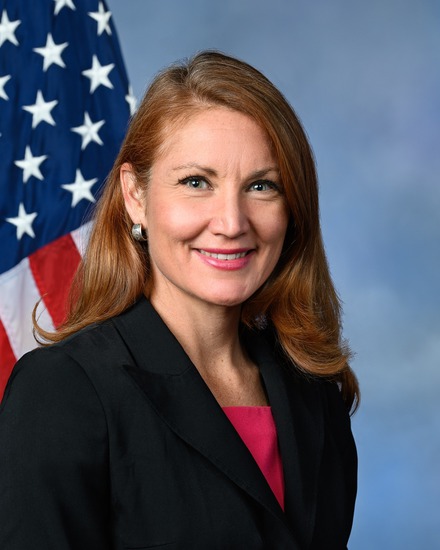
Rep. Melanie A. Stansbury
Sponsored bills
Maddy summaryThe WORK to Save Lives Act requires the Occupational Safety and Health Administration (OSHA) to issue two types of guidance within 270 days of enactment. For private employers (excluding the U.S. Postal Service), OSHA must provide non-mandatory guidance on acquiring naloxone kits and offering annual employee training for opioid overdose emergencies. For all federal agencies (including the Veterans Health Administration), OSHA must issue mandatory regulations requiring agencies to maintain naloxone kits and provide annual employee training on their use. The bill directly affects private businesses and federal workplaces by establishing specific, time-bound requirements for opioid overdose response preparedness.
Maddy summaryThe Patient Debt Relief Act (HR 7478) requires Medicare-participating hospitals to implement new financial assistance and debt collection standards starting January 1, 2028. It prohibits hospitals from garnishing wages, placing home liens, or selling medical debt to collectors without offering income-based repayment plans (capping payments at 4% of monthly income) and providing clear eligibility information with bills. Hospitals failing to comply face civil penalties up to $1 million per violation, with annual audits and a public portal for patients to report noncompliance. The bill also creates a $100 million grant program to discharge medical debt for individuals meeting income thresholds (5% of income or household income ≤400% of poverty line). These changes directly affect hospitals and patients burdened by medical debt, aiming to standardize fair collection practices.
Maddy summaryHRES 1040 is a symbolic resolution recognizing the Greensboro Four sit-in during Black History Month. It commemorates the 66th anniversary of the February 1, 1960, sit-in at a Greensboro Woolworth's lunch counter, where four Black students challenged racial segregation. The resolution encourages states to include the Greensboro Four's history and contributions in school curricula. As a non-binding resolution, it has no legal effect but formally honors this pivotal civil rights moment.
Maddy summaryHRES 1038 is a non-binding House resolution expressing the sense of Congress that the U.S. must reaffirm its commitment to the Fourteenth Amendment’s guarantees of birthright citizenship, due process, and equal protection under the law. It calls on all federal branches to defend these rights against actions that threaten them, such as policies undermining birthright citizenship or restricting voting access. The resolution specifically urges Congress to oppose legislation or executive actions that weaken these constitutional protections and to work toward full equal protection for all people. As a symbolic resolution, it does not create new law or impose legal requirements but emphasizes the importance of upholding these constitutional principles for democratic fairness.
Maddy summaryThe Rebuild America's Schools Act of 2026 authorizes $20 billion annually from 2027 to 2031 to improve public school facilities nationwide. The bill provides grants to states to fund school construction, renovation, and modernization projects that focus on safety, energy efficiency, and accessibility, with priority given to schools serving high percentages of students eligible for free or reduced-price lunch. Funds cannot be used for routine maintenance, athletic facilities, or vehicles, and must meet specific environmental, safety, and energy efficiency standards. The bill also includes specific provisions for repairing school foundations affected by pyrrhotite, a mineral that causes concrete deterioration, and requires use of American-made materials for construction projects.
Maddy summaryHR 7335 establishes comprehensive humanitarian standards for individuals held in U.S. Immigration and Customs Enforcement (ICE) and U.S. Customs and Border Protection (CBP) custody. The bill requires facilities to provide immediate health screenings within 12 hours (6 hours for high-risk individuals like children, pregnant people, or those with medical conditions), ensure access to adequate water, sanitation, food (with 2,000+ calories daily for adults), and age-appropriate shelter. It mandates specific facility standards including separate housing for males and females, accessible accommodations for people with disabilities, daily outdoor access for those detained over 48 hours, and proper medical equipment and personnel on-site. The bill also requires regular inspections, staff training on humanitarian protocols, and public reporting of sexual abuse complaints. These standards directly affect all individuals detained by ICE or CBP, with special protections for vulnerable groups like children, pregnant people, and those with medical needs.
Maddy summaryHR 5658, the Child Care for Every Community Act, establishes a federal framework to create universal, high-quality child care and early learning programs available to all young children not yet required to attend school. The bill requires that covered children (children below compulsory school age) be entitled to participate in these programs, with no fees for low-income families and sliding-scale fees for others based on family income. Key provisions include requiring full-working-day, full-calendar-year care; setting national quality standards for staff qualifications and facilities; mandating comprehensive services including health, nutrition, and family support; and requiring coordination with schools to support children's transitions to kindergarten. The bill directly affects families seeking child care, child care providers, and local communities that would administer these programs through designated "prime sponsors."
Maddy summaryThe Family Violence Prevention and Services Improvement Act of 2026 amends federal law to enhance support for victims of family violence, domestic violence, and dating violence. The bill authorizes $270 million annually for fiscal years 2027-2031 to fund state, tribal, and community programs, with specific funding reserved for tribal programs (12.5%), national hotlines ($20.5 million for general hotline, $4 million for Indian hotline), and services for underserved populations. It requires grantees to provide trauma-informed, culturally appropriate services while prohibiting discrimination and protecting victim confidentiality, and mandates accessibility for people with disabilities and limited English proficiency. The bill also establishes new technical assistance centers, Tribal resource centers, and community-based prevention programs to address the needs of underserved populations including Native Hawaiians, Alaska Natives, and racial and ethnic minorities.
Maddy summaryHR 6896 requires Congressional approval before demolishing or making substantial alterations to federal buildings in Washington, D.C. It mandates that any such project must have an approved construction plan ready before work begins. The bill defines "substantial alteration" to include changes affecting a building's structural integrity, historical character, or exceeding specific thresholds in federal law. These rules apply to buildings used by federal agencies or government corporations within the District of Columbia.