

Maddy summaryThis bill authorizes $30 million annually (2024-2028) for the National Institutes of Health to expand research on uterine fibroids, including studies on racial disparities (noting Black women are 80% likely to develop fibroids by menopause versus 70% of White women). It also requires the creation of a Medicaid database to track treatment services for fibroids and mandates a congressional report on related costs and coverage. The bill directs the Department of Health and Human Services to develop public education materials about fibroid symptoms, treatment options (including non-hysterectomy care), and racial prevalence differences. It directly affects women with fibroids - particularly those from racial minority groups - and aims to improve data collection and awareness around a condition causing significant health burdens and healthcare costs.
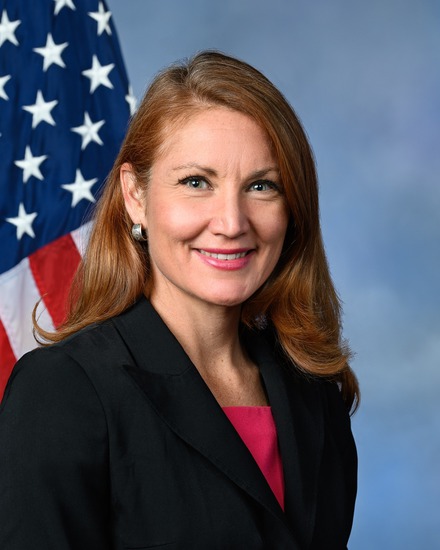
Rep. Melanie A. Stansbury
Sponsored bills
Protecting Kids from Fentanyl Act of 2023 This bill permits the use of the Preventive Health and Health Services Block Grant to address fentanyl in educational institutions. Specifically, grant funds may be used to (1) purchase naloxone or other opioid overdose reversal drugs for educational institutions, (2) train school nurses and other personnel on how to administer them, and (3) provide fentanyl awareness classes or materials to students.
Maddy summaryThe Water Infrastructure Enhancement Act of 2023 establishes a federal grant program to fund critical upgrades for public water systems. It directly affects water suppliers in rural areas (population ≤20,000) and communities designated as "areas of persistent poverty" (e.g., counties with 20%+ poverty for 30 years or census tracts with ≥20% poverty). The program allocates $800 million annually from 2024-2029, requiring at least 50% of funds to support rural areas and 15% to historically disadvantaged communities or persistent poverty zones. Grants cover up to 90% of costs for eligible activities like replacing pipes, upgrading treatment facilities, or modernizing monitoring systems, with the Administrator determining additional eligible projects.
Maddy summaryThe Veteran Service Recognition Act of 2023 requires the Department of Defense, Homeland Security, and Veterans Affairs to study noncitizen veterans removed from the U.S. between 1990 and 2023, documenting their service history and reasons for removal. It establishes a system to identify noncitizen veterans before removal proceedings and creates a Military Family Immigration Advisory Committee to review cases and recommend against removal for veterans. The bill also creates a program to facilitate citizenship for noncitizen service members and provides pathways for previously removed noncitizen veterans to adjust to lawful permanent residence. These provisions directly affect noncitizen veterans and their family members facing immigration proceedings, aiming to better recognize military service in immigration decisions.
Maddy summaryHR 4579, the Fairness for Farm Workers Act, amends the Fair Labor Standards Act to establish phased overtime requirements for agricultural workers. Starting in 2024, most farm employers must pay overtime for hours worked beyond 55 per week (reducing to 50 in 2025, 45 in 2026, and 40 in 2027), with small farms (25 or fewer employees) getting a 3-year delay on the full 40-hour standard. The bill also removes existing exemptions that allowed some agricultural employers to avoid overtime pay for certain workers. This directly affects farm workers in agriculture and their employers, requiring compliance with standard overtime rules previously not applied to this sector.
Maddy summaryThis bill requires national parks to reduce disposable plastic products, primarily targeting plastic water bottles and food containers sold to visitors. Park directors must eliminate these sales where feasible after considering factors like operational costs, waste reduction, infrastructure for refill stations, and impacts on park vendors. Each park must also implement visitor education about water availability and report biennially on progress, including visitor satisfaction and safety metrics. The law directly affects all national park units, concessionaire businesses, and park visitors. It mandates a phased, practical approach without banning all plastics immediately.
Maddy summaryThe DISCLOSE Act of 2023 would increase transparency in political spending by requiring organizations making campaign-related disbursements over $10,000 to disclose the names and addresses of their major donors, including the top five funders for political communications. It would close loopholes allowing foreign nationals to secretly fund election activities through corporations or other entities by expanding the definition of prohibited foreign contributions. The bill would mandate "stand by every ad" disclosure requirements for political communications across all media, including audio, video, and internet ads, requiring clear identification of funders. It would also require reporting of disbursements related to Federal judicial nominations, which currently aren't subject to disclosure requirements. These provisions would apply to corporations, labor organizations, and certain nonprofits that engage in political activity.
Maddy summaryThe IDEA Full Funding Act (HR 4519) mandates specific annual increases in federal funding for special education programs under the Individuals with Disabilities Education Act (IDEA). It requires Congress to appropriate increasing amounts each fiscal year - from $5.87 billion for 2024 up to $55.53 billion for 2033 - to reach 40% of the national average per-pupil expenditure for public schools by 2033. This directly affects all public school districts serving students with disabilities, as federal IDEA funding supports their special education services. The bill sets fixed dollar amounts or percentage targets (whichever is greater) for each fiscal year, aiming to gradually close the long-standing gap between promised and actual federal funding. It does not alter eligibility for services but mandates higher, phased funding levels to meet the 40% target.
Maddy summaryHR 3853, the Roadless Area Conservation Act of 2023, requires the U.S. Forest Service to enforce existing protections against road construction, reconstruction, and logging in designated roadless areas within the National Forest System. It directly affects Forest Service management practices and ensures these areas - critical for clean water, wildlife habitat, recreation, and tribal cultural sites - remain undisturbed. The bill codifies the current Roadless Rule, which already prohibits such activities in inventoried roadless areas, without creating new restrictions on non-roadless lands or limiting permitted uses like hiking or hunting. This preserves existing protections for over 58 million acres of National Forest land without altering the Forest Service’s multiple-use management approach.
Maddy summaryHR 4426 extends the Radiation Exposure Compensation Act (RECA) fund for 19 years (up from 2 years) and expands eligibility for compensation to individuals exposed to radiation from nuclear testing and uranium mining. The bill updates eligibility criteria for claims related to leukemia and other specified diseases, including adding chronic lymphocytic leukemia to the list of covered conditions. It creates new provisions for uranium mining workers, including combined work histories and allows the use of affidavits to substantiate claims. The bill also expands medical benefits eligibility and establishes a $3 million annual grant program to study the epidemiological impacts of uranium mining on non-occupationally exposed individuals, including family members of miners.