

Maddy summaryHR 6790 establishes National Institutes of Health centers to advance research, early detection, and public awareness of rare kidney diseases, with a focus on rural and underserved communities. It mandates a federal study on genetic testing barriers, treatment patterns, and public awareness for rare kidney diseases affecting disproportionately impacted populations, including barriers to insurance coverage and access to specialists. The bill also funds nephrology training programs to increase specialists serving these communities and requires experiments to delay or prevent the need for dialysis and transplants. Total funding of $7 million is authorized for fiscal years 2024-2028 to support these research, education, and early intervention efforts.
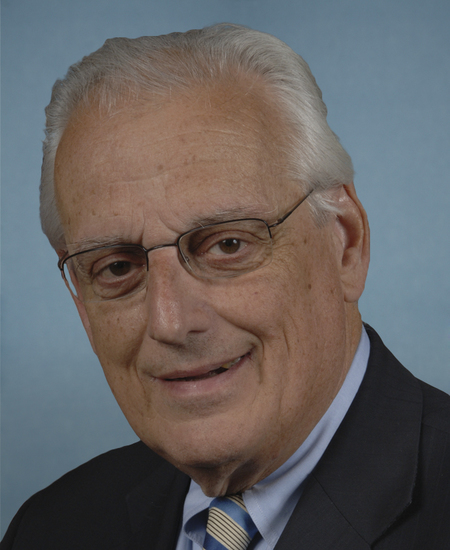
Rep. Bill Pascrell, Jr.
Sponsored bills
Maddy summaryThis bill adds audiology services to Medicare's covered benefits under Section 1861(s)(2)(KK), effective January 1, 2025. It allows qualified audiologists to provide hearing and balance assessments and diagnostic/treatment services without requiring a physician referral or supervision, directly affecting Medicare beneficiaries seeking these services and audiologists practicing under state law. Payment will be 80% of the lower of actual charge or the Medicare fee schedule. The bill does not expand the types of audiology services covered but changes how they are accessed and paid for under Medicare.
Maddy summaryHR 6417 amends the existing "Ending Importation of Russian Oil Act" to ban imports of energy products (classified under Harmonized Tariff Schedule chapter 27) produced at any refinery using crude oil originating in Russia. This directly affects U.S. importers and companies bringing in such refined petroleum products. The key provision prohibits these imports regardless of where the refinery is located, targeting oil that has been "laundered" through foreign processing. The bill updates the existing law by adding this origin-based import ban as a new section.
Maddy summaryHR 6110, the Access to Inpatient Rehabilitation Therapy Act of 2023, would change how Medicare determines eligibility for inpatient rehabilitation therapy. It restores physicians' authority to modify a patient's therapy plan after admission to include additional medically necessary services - such as recreational or respiratory therapy - beyond the current four required therapies (physical, occupational, speech therapy, and orthotics/prosthetics). This applies to Medicare beneficiaries in inpatient rehabilitation facilities who already meet the initial requirement of needing at least two of the core therapies at admission. The change takes effect after December 31, 2023, allowing treatment teams to tailor care more flexibly based on patient needs.
Maddy summaryHR 6020, the Honor Our Living Donors Act, amends federal law to ensure living organ donors are fully reimbursed for qualifying expenses without considering the recipient's income. It prohibits organ recipients from having their income factored into reimbursement calculations and requires the Secretary to annually report whether current funding covers all donor expenses, including estimates of unmet needs. This bill directly affects living organ donors and the federal reimbursement program under the Public Health Service Act.
Maddy summaryThe Preserving Access to Home Health Act of 2023 repeals a 2018 payment adjustment for Medicare home health agencies, restoring prior payment rates for 2024 and subsequent years. It requires the Medicare Payment Advisory Commission (MedPAC) to analyze how home health agencies' financial performance affects access to care, including reviewing spending and utilization data across Medicare, Medicaid, and other payers. Starting in 2025, the bill mandates home health agencies to report detailed data on visit volumes and payments by payer source (Medicare, Medicaid, private insurers) through updated cost reports. This data will help MedPAC assess payment policy impacts on access to home health services for Medicare beneficiaries.
Maddy summaryThis bill adds free PFAS blood testing to Medicare Part B coverage for seniors. It requires Medicare to cover physician-ordered blood tests for perfluoroalkyl and polyfluoroalkyl substances (PFAS) with no out-of-pocket costs starting January 1, 2024. The policy directly affects Medicare beneficiaries (primarily seniors) who receive a doctor's order for PFAS testing. Key provisions amend Medicare rules to include PFAS testing under preventive services with 100% coverage, defining it as a blood test to measure PFAS concentration. This change eliminates cost-sharing for eligible seniors seeking this specific type of screening.
Maddy summaryThe 9-8-8 Implementation Act of 2023 establishes a national mental health crisis response system centered around the 9-8-8 suicide prevention hotline. It provides $441 million for call center technology, staffing, and operations, and requires Medicare, Medicaid, and private health plans to cover crisis response services including mobile crisis teams and crisis stabilization facilities. The bill also mandates a national suicide prevention media campaign and creates protocols for 9-1-1 dispatchers to better respond to mental health crises. These provisions aim to improve access to mental health crisis care across the United States.
Maddy summaryThe Pathways to Health Careers Act creates a federal grant program to help low-income individuals (those with family income at or below 200% of the Federal poverty level) enter health professions. It provides $425 million annually for fiscal years 2024-2028 to fund training programs that must include support services like adult basic education, child care, transportation, and career coaching. The bill requires grant recipients to serve at least 10% of participants who qualify for Temporary Assistance for Needy Families (TANF) and sets aside funding for demonstration projects focused on people with arrest/conviction records and maternal health career pathways. Recipients must track outcomes including credential attainment, employment in health professions, and earnings. This program directly affects low-income individuals seeking health careers and the organizations that will administer these training programs.
Maddy summaryHR 4747, the HOPE Act, requires the federal government to guarantee at least two grants per state (non-territory) for health programs under Section 2008 of the Social Security Act, provided sufficient qualified applications are received. It directly affects state-level health organizations seeking these grants by ensuring minimum funding opportunities. The bill mandates annual reports to Congress detailing the number of applications received, approvals granted, and how grants were distributed when fewer than two applicants met requirements. These changes take effect on October 1, 2023. The legislation modifies existing grant administration procedures without creating new programs or altering eligibility criteria.