

Paycheck Fairness Act This bill addresses wage discrimination on the basis of sex, which is defined to include pregnancy, sexual orientation, gender identity, and sex characteristics. Specifically, it limits an employer's defense that a pay differential is based on a factor other than sex to only bona fide job-related factors in wage discrimination claims, enhances nonretaliation prohibitions, and makes it unlawful to require an employee to sign a contract or waiver prohibiting the employee from disclosing information about the employee's wages. The bill also increases civil penalties for violations of equal pay provisions. Additionally, the Equal Employment Opportunity Commission (EEOC) and the Office of Federal Contract Compliance Programs must train EEOC employees and other affected parties on wage discrimination. The bill directs the Department of Labor to (1) establish and carry out a grant program to provide training in negotiation skills related to compensation and equitable working conditions, (2) conduct studies to eliminate pay disparities between men and women, and (3) make available information on wage discrimination to assist the public in understanding and addressing such discrimination. The bill establishes the National Award for Pay Equity in the Workplace for an employer who has made a substantial effort to eliminate pay disparities between men and women. It also establishes the National Equal Pay Enforcement Task Force to address compliance, public education, and enforcement of equal pay laws. Finally, the bill requires the EEOC to issue regulations for collecting from employers compensation and other employment data according to the sex, race, and national origin of employees for use in enforcing laws prohibiting pay discrimination.
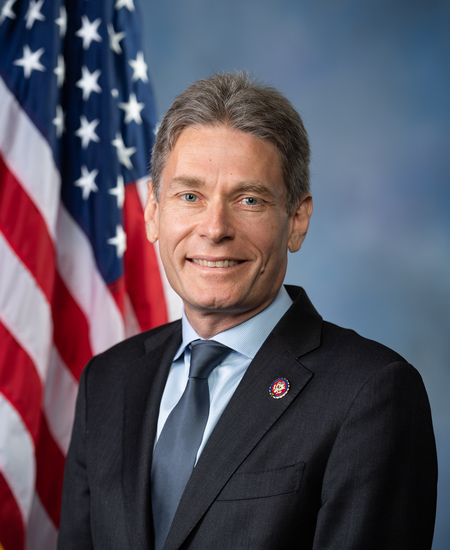
Rep. Tom Malinowski
Sponsored bills
This bill directs the Federal Emergency Management Agency (FEMA) to establish a grant program to modify, upgrade, and construct fire and emergency medical services (EMS) department facilities. Grant recipients may use funds received to build, rebuild, or renovate fire and EMS department facilities; upgrade existing facilities to install exhaust emission control systems, install backup power systems, upgrade or replace environmental control systems (such as HVAC systems), remove or remediate mold, and construct or modify living quarters for use by male and female personnel; and upgrade fire and EMS stations or build new stations. The bill sets forth provisions regarding (1) grant fund allocations between career and volunteer fire and EMS departments, and (2) prevailing rate of wage and a requirement for using materials produced domestically for public contracts.
This resolution acknowledges the 12th anniversary of the end of the war in Sri Lanka and offers condolences to all those affected. It also commends the UN Human Rights Council for prioritizing the collection of evidence of human rights violations.
Vet Center Improvement Act of 2021 This bill requires the Department of Veterans Affairs (VA) to evaluate productivity expectations for readjustment counselors of Vet Centers, including by obtaining feedback from counselors that must be audited annually for five years by the Government Accountability Office. The VA must also (1) develop and implement a staffing model for Vet Centers, (2) standardize descriptions of position responsibilities at Vet Centers, and (3) award grants to address food insecurity among veterans and family members of veterans who receive services through Vet Centers or other VA facilities.
United States Army Rangers Veterans of World War II Congressional Gold Medal Act This bill provides for the award of a single Congressional Gold Medal to the U.S. Army Rangers Veterans of World War II in recognition of their dedicated service during World War II.
Beijing Winter Olympics Sponsor Accountability Act This bill prohibits the executive agencies of the federal government from contracting for the procurement of goods or services with any person that has business operations with the Beijing Organising Committee for the 2022 Olympic and Paralympic Winter Games or the International Olympic Committee. The bill makes exceptions where vital to national security, in which case Congress must be notified. The federal government may not sell any product made by any such person.
Stamp Out Lyme Disease Act This bill directs the U.S. Postal Service to issue a Lyme Disease Research Semipostal Stamp, with all proceeds being transferred to the National Institute of Allergy and Infectious Diseases.
John Lewis Every Child Deserves a Family Act This bill prohibits discrimination on the basis of sexual orientation, gender identity, marital status, or religion in the provision of child welfare programs and services by entities receiving federal funding. The Department of Health and Human Services (HHS) must provide technical assistance to help states follow this requirement, including (1) guidance for bringing state laws into compliance, (2) developing training to increase cultural competency related to social identity, and (3) training for judges and attorneys involved in child welfare cases, among other supports. Additionally, HHS must establish the National Resource Center on Safety, Well-Being, Placement Stability, and Permanency for LGBTQ Children and Youth Involved with Child Welfare Services to provide training, technical assistance, and guidance to applicable state and local agencies and service providers. Further, the Religious Freedom Restoration Act may not be the basis for challenging the application or enforcement of this bill. The Government Accountability Office must study and report on states' compliance with the requirements of the bill no later than three years after enactment.
Keeping All Students Safe Act This bill prohibits the use of seclusion and limits the use of physical restraint in schools and Head Start programs that receive federal funding. Specifically, the bill prohibits the use of seclusion, which is the involuntary confinement of a student alone in a room or area from which the student is physically prevented from leaving. The term does not include a time out, which may involve separating the student from others in a non-locked setting. The bill prohibits the use of mechanical or chemical restraints or physical restraints that restrict breathing or are life threatening. The bill outlines the requirements for the use of physical restraint, including that the student's behavior must pose an imminent danger of serious physical injury to the student or other individual. Each state must ensure that a sufficient number of program personnel are trained and certified by a state-approved crisis intervention training program. Additionally, each program must establish procedures to follow after an incident involving physical restraint. Further, the bill establishes enforcement provisions, including a private right of action for a student who has been subjected to unlawful seclusion or restraint. The Department of Education and the Department of Health and Human Services must withhold payments from a program for unlawful seclusion or restraint. Finally, the bill requires each state educational agency (SEA) to establish, implement, and enforce policies and procedures required by the bill. It also creates a grant program to assist SEAs with these activities.
Air America Act of 2021 This bill establishes the service of Air America employees as qualifying service for purposes of the Civil Service Retirement System. (Air America was a government-owned airline that provided air transport for certain covert operations in Southeast Asia, including Laos and Vietnam, between 1950 and 1976.) The bill applies to U.S. citizens who were employees of Air America or another affiliated company, as specified, between January 1, 1950 and December 31, 1976. Benefit applications must be filed within two years of the date of enactment of this bill.