

Maddy summaryThis resolution expresses support for designating July 10th as Journeyman Lineworkers Recognition Day to honor the workers who maintain the nation's electrical grid. The bill specifically recognizes the dangerous conditions these employees face, such as working at heights near live power lines and responding to disasters like hurricanes and wildfires. It also commemorates Henry Miller, the first president of the International Brotherhood of Electrical Workers, who died on July 10, 1896, while performing his duties. Ultimately, the measure encourages the public to observe this day with reflection on the contributions of lineworkers.
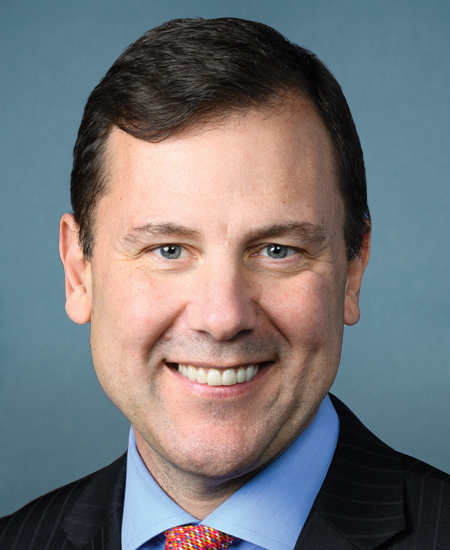
Rep. Thomas H. Kean, Jr.
Sponsored bills
Maddy summaryThe Jewish American Security Act aims to combat antisemitism by strengthening protections for Jewish students, securing Jewish communities, and increasing transparency regarding online hate speech. For educational institutions receiving federal funds, the bill mandates the creation of specific coordinators to handle discrimination complaints, requires annual training on handling antisemitism, and establishes a new federal clearinghouse to share best practices for campus safety. To support physical security, the legislation expands grant funding for nonprofit organizations and directs the Attorney General to provide resources for law enforcement agencies protecting houses of worship. Additionally, the act requires major online platforms with over 50 million monthly users to submit detailed reports to the Federal Trade Commission on how they detect, remove, and moderate antisemitic content.
Maddy summaryThe Spot the Fakes Act requires owners of AI-generated content to label videos, images, audio, and text as artificial intelligence using metadata or other technological verification methods. The Federal Trade Commission is tasked with enforcing this requirement and can penalize violations as unfair or deceptive acts under existing federal law. Additionally, the bill mandates that the FTC work with the National Institute of Standards and Technology to establish specific disclosure rules within six months of enactment. This legislation directly impacts creators and platforms distributing AI content to ensure transparency about the origin of digital media.
Maddy summaryThe Military Housing Innovation Act directs the Comptroller General to conduct a study on whether updating military building codes would allow for a specific type of apartment design known as point-access block buildings. This research will examine how such a change could affect the cost, quality, and safety of new military housing while also looking at its impact on local rental markets and the amount of money service members spend on living expenses. The study must compare fire safety outcomes between these new designs and traditional buildings before submitting a report with recommendations to Congress. Ultimately, the bill aims to gather data on whether this construction method can help improve housing options for military families without compromising safety standards.
Maddy summaryThis bill strengthens the enforcement of mental health and substance use disorder parity rules under the Employee Retirement Income Security Act of 1974. It expands the scope of penalties to include plan sponsors, service providers, and administrators who fail to meet existing parity requirements, while also adding a specific category for genetic information violations. To support these enforcement efforts, the legislation appropriates $30 million annually from 2027 through 2031 to the Employee Benefits Security Administration. These changes apply to group health plans starting one year after the law is enacted.
Maddy summaryThis bill establishes a Strategic Defense Innovation Working Group to facilitate cooperation between the United States and Ukraine on developing and producing unmanned military systems. The group, led by senior U.S. defense officials and including Ukrainian representatives, will identify effective drone technologies used by Ukraine and explore ways to co-develop, co-produce, and acquire them in the United States. Key provisions include creating frameworks for sharing military data and intellectual property, assessing supply chains to avoid reliance on adversarial nations, and reporting regularly to Congress on progress and legal barriers. The initiative aims to accelerate the deployment of proven Ukrainian drone capabilities while ensuring secure and compliant integration into U.S. defense efforts.
Maddy summaryThe Veterans STAND Act requires the Department of Veterans Affairs to provide annual preventative health assessments to veterans with spinal cord injuries or disorders. These assessments cover risks for health complications, chronic pain management, dietary needs, prosthetic equipment, and access to assistive technologies like spinal cord neuromodulation devices. The VA must consult with medical specialists and device manufacturers when creating guidelines and submit yearly reports to Congress on veterans' use of these services and devices. This policy directly affects veterans with spinal cord injuries by ensuring regular, tailored health evaluations to improve long-term management and independence.
Maddy summaryThe WINGS Act directs the Department of Veterans Affairs to conduct a long-term study on the brain and mental health impacts of military aviation, specifically focusing on high-performance flight and G-force exposure. It requires examining links between flight hours, G-forces, and conditions like traumatic brain injury, depression, PTSD, and neurodegenerative diseases among military aviators. The bill mandates creating a centralized, anonymized health registry for participating aviators to track flight exposure and health outcomes over time. This study must produce interim and final reports to Congress within one and three years of enactment, directly affecting current and former military pilots and aircrew who operated aircraft like fighter jets, trainers, or tiltrotors.
Maddy summaryHR 4398, the Veteran Burial Timeliness and Death Certificate Accountability Act, requires Veterans Affairs (VA) physicians or nurse practitioners to certify the death of a veteran who dies of natural causes within 48 hours of learning of the death. This directly affects veterans' families, who previously faced delays of up to eight weeks in burial and access to survivor benefits due to slow death certifications. The bill mandates annual reports to Congress on VA compliance with the 48-hour rule, including statistics on delays and their causes. The key change is establishing a strict timeline for death certification to prevent unnecessary delays in honoring veterans' final arrangements.
Maddy summaryThe GRACE for Military Survivors Act extends the deadline for contributing military death benefits to Roth IRAs and Coverdell education savings accounts from one year to three years. This change directly benefits families of service members who receive these death benefits, giving them more time to save for retirement or education. The law applies to benefits received after the bill is enacted and includes a special rule allowing contributions made within a specific window for benefits received between 2001 and the enactment date. By amending the Internal Revenue Code, the bill ensures that eligible funds can be deposited into these tax-advantaged accounts without losing their value due to time limits.