

Maddy summaryHCONRES 131 is a symbolic resolution recognizing the wage gap between Latina women and White, non-Hispanic men in the U.S. workforce. It highlights that Latina women working full-time earn 58 cents for every dollar earned by White, non-Hispanic men, with an average lifetime earnings loss of over $1.2 million. The resolution designates October 3, 2024, as "Latina Equal Pay Day" to draw attention to this disparity, citing Bureau of Census data showing the gap has persisted for decades. It does not create new laws or policies but formally acknowledges the economic impact on Latina women and their families.
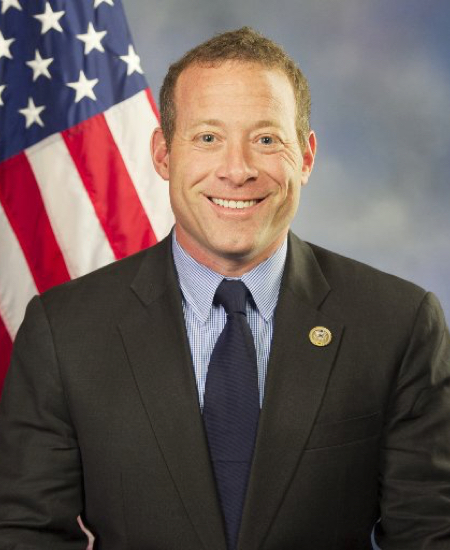
Rep. Josh Gottheimer
Sponsored bills
Maddy summaryHRES 1515 designates October 1, 2024, as "National Animal Rescue Day" to raise public awareness about animal adoption, promote spaying and neutering to reduce pet overpopulation, and encourage more adoptions nationwide. The resolution supports community events, educational efforts, and charitable activities on that day to assist animal shelters and reduce the number of animals euthanized. It is a non-binding symbolic gesture without legal force, intended to unite communities around animal rescue initiatives.
Maddy summaryHR 9807, the Strengthening Access to Contraceptive Care Act, provides $100 million annually (2025-2029) in federal grants to health centers in areas with limited contraceptive access, known as "contraceptive deserts." The bill directly supports clinics, hospitals, and community organizations in underserved communities - particularly impacting Black, Hispanic, and low-income individuals who face barriers to contraception - by funding expanded services. Grants cover essential activities like patient education on all contraceptive methods, purchasing supplies (including emergency contraception), telehealth services, hiring staff, and creating culturally appropriate materials. This aims to increase provider capacity to offer comprehensive, person-centered contraceptive care without coercion, addressing documented gaps where over 19 million people lack access to full contraceptive options.
Maddy summaryHR 9830, the Fair Credit for American Hostages Act, protects U.S. citizens wrongfully detained or held hostage abroad by preventing credit bureaus from reporting negative credit information during their detention period. It applies specifically to individuals certified as "covered consumers" under the Robert Levinson Hostage Recovery Act, requiring official documentation from the Special Presidential Envoy for Hostage Affairs or the Hostage Recovery Fusion Cell. Credit reporting agencies must remove any adverse credit entries tied to the time period of unlawful detention or captivity once they verify this documentation. The law directly affects victims of wrongful detention by ensuring their credit reports reflect the period of captivity as neutral, not negative.
Maddy summaryThe Think Differently about Education Act of 2023 requires schools and state education agencies to notify parents of children with disabilities at the start of each school year about their right to include experts (such as therapists or specialists) on their child's Individualized Education Program (IEP) team. This amendment to the Individuals with Disabilities Education Act (IDEA) ensures parents are informed about available resources to support their child's educational planning. The bill directly affects parents of children with disabilities and the educational agencies managing IEPs. It adds a mandatory annual notification step without altering the IEP process itself.
Maddy summaryHR 1719, the Honoring Our Fallen Heroes Act of 2023, establishes a presumption that certain cancers diagnosed in public safety officers (like police and firefighters) are work-related if linked to their duties. It defines 22 specific cancers (including lung, mesothelioma, and WTC-related cancers) as "exposure-related," allowing officers or their families to receive benefits without proving direct work connection, provided they were diagnosed within 15 years of leaving active service. The bill also creates a process for adding new cancers to the list based on scientific evidence, requiring the Bureau to review petitions and make decisions within 180 days. This applies to deaths or disabilities occurring on or after January 1, 2023, directly affecting officers who developed covered cancers during service.
Maddy summaryHCONRES 130 is a symbolic concurrent resolution commending state and local governments that treat reproductive rights as human rights following the *Dobbs* decision. It recognizes efforts by cities like Austin, Texas, and Montgomery County, Maryland, to expand abortion access and condemn criminalization of pregnancy outcomes. The resolution affirms that reproductive rights are human rights, urges states to repeal restrictive laws, and references U.S. obligations under international human rights treaties. As a non-binding resolution, it does not create new laws or alter existing policies.
Maddy summaryThe No Foreign Gifts Act of 2024 prohibits colleges and universities receiving federal education funding under the Higher Education Act from accepting gifts from China, Russia, North Korea, or Iran, or from any country the Secretary of State determines has provided material support to a foreign terrorist organization. Institutions must report any offers of such gifts to the Secretary of Education to maintain eligibility for federal funds. The bill amends the Higher Education Act of 1965 to add these restrictions, defining "material support" and "foreign terrorist organization" using existing legal terms without altering their current definitions.
Maddy summaryThis bill clarifies Medicare rules to allow doctors to provide certain critical medications directly in their offices without extra administrative hurdles. It specifically amends a Medicare provision (Section 1877(b)(2) of the Social Security Act) to remove a requirement that drugs furnished in-office must follow specific administrative rules, effective May 11, 2023. The bill also directs the removal of conflicting Medicare guidance published in 2021 and 2023, which had previously restricted this practice. This change directly affects Medicare beneficiaries (seniors) and doctors' offices that supply covered medications during patient visits. It streamlines access to necessary drugs by eliminating an unnecessary barrier to in-office medication administration under Medicare.
Maddy summaryHR 3433, the "Give Kids a Chance Act of 2024," requires pharmaceutical companies developing certain cancer drugs to conduct pediatric studies if the drugs target molecular pathways relevant to childhood cancers. It directly affects drug manufacturers submitting new applications for cancer treatments, particularly those combining previously approved adult cancer drugs or containing a single new active ingredient. The bill amends FDA regulations to mandate these pediatric investigations only when specific conditions are met, such as when a drug's molecular target is relevant to pediatric cancer growth. The FDA must issue implementing guidance within 12 months, and reports to Congress will track implementation and effectiveness starting 2 years after enactment.