

Maddy summaryHR 6744, the "No VA Resources for Illegal Aliens Act," prohibits the Department of Veterans Affairs (VA) from providing health care or processing health care claims for individuals unlawfully present in the United States who are not already eligible for VA health care under existing law. This bill directly affects undocumented immigrants who do not qualify for VA benefits through standard veteran eligibility criteria. The key provision explicitly bars VA resources from being used for any care or claims processing for such individuals. The bill does not alter VA eligibility rules for veterans but prevents the use of VA funds for non-eligible non-citizens unlawfully present in the U.S.
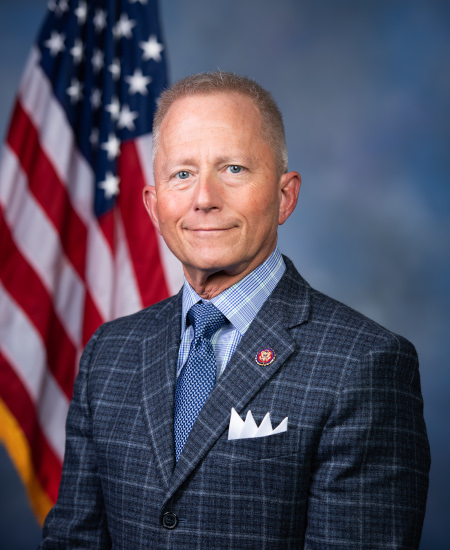
Rep. Jefferson Van Drew
Sponsored bills
Maddy summaryHR 6946 establishes a Military Firefighters Compensation Fund to provide timely compensation for current and former military firefighters (including contractors) who develop illnesses due to PFAS exposure during their duties. The bill presumes PFAS exposure occurred if the firefighter worked at a military installation or National Guard facility during periods when PFAS was present, unless contradicted by substantial evidence. Survivors of affected firefighters - such as spouses, children, parents, or other relatives - receive compensation based on specific family relationships outlined in the bill. This fund, authorized for necessary funding, directly supports firefighters and their families impacted by PFAS-linked health issues.
Maddy summaryThe REMAIN in Mexico Act of 2024 would require the U.S. government to reinstate the Migrant Protection Protocols (MPP), a policy that forces certain asylum seekers to wait in Mexico while their U.S. immigration cases are processed. It directly affects asylum seekers from Mexico and Central America who are seeking entry to the United States and would be subject to the MPP under this law. The bill mandates implementation of the MPP as described in a 2019 policy memo by former Homeland Security Secretary Nielsen. This would reverse the current administration's decision to end the program, requiring asylum seekers to remain in Mexico during their immigration proceedings.
Maddy summaryThe Affordable Connectivity Program Extension Act of 2024 allocates $7 billion in funding for the Affordable Connectivity Program (ACP) during fiscal year 2024. The ACP provides subsidies to low-income households to help cover the cost of internet service and connected devices like laptops or tablets. This funding ensures the program can continue supporting eligible households throughout the year, with the money remaining available until fully spent. The bill extends existing program funding without changing eligibility criteria or service requirements.
Maddy summaryHR 6941, the Criminalize Fleeing from Immigration Enforcement Act of 2024, would make it a federal crime for individuals to flee or evade law enforcement officers enforcing specific immigration laws, including unauthorized entry (INA §275), re-entry after deportation (INA §276), or document fraud (INA §274). It directly affects people who flee officers identified as enforcing these immigration provisions or flee immigration checkpoints. The bill would impose penalties of up to five years in prison or fines for fleeing, with up to eight years for fleeing in a vehicle exceeding the speed limit. This amendment to Title 18, U.S. Code, creates a new criminal offense without changing existing immigration enforcement procedures.
Maddy summaryThe Count Only Citizens Act requires the U.S. Census Bureau to include a citizenship or lawful presence question on the 2030 and future decennial census forms. It mandates that the Secretary of Commerce adjust population counts for congressional apportionment to exclude non-citizens and individuals not lawfully present in the U.S. This change directly affects how congressional seats are allocated among states, potentially reducing representation for states with large non-citizen populations. The bill does not alter census counts used for other purposes, such as federal funding distribution.
Maddy summaryHRES 946 is a symbolic House resolution recognizing "Gold Shield Families" - defined as the families of fallen police officers, firefighters, EMTs, correction officers, emergency dispatchers, and emergency service providers who died in the line of duty. The resolution formally honors their sacrifices and resilience, affirming that their hardships should not be forgotten. It includes no new funding, regulations, or policy changes; instead, it serves as a commemorative gesture expressing national gratitude. The resolution directs that a copy be sent to the President and made public to publicly recognize these families' contributions.
Maddy summaryHR 1147, the Whole Milk for Healthy Kids Act of 2023, allows schools participating in the National School Lunch Program to offer whole milk as an option during lunch. It amends the school lunch law to explicitly permit schools to serve flavored and unflavored whole milk alongside reduced-fat, low-fat, and fat-free milk choices for students. The bill also requires the Secretary of Agriculture to adjust meal regulations to account for saturated fat from whole milk, ensuring it doesn't count against meal fat limits. This change directly affects participating schools and the students who receive school lunches, expanding their milk beverage options.
Maddy summaryHR 6802, the RAPID Reserve Act, requires the Secretary of Health and Human Services to establish a reserve of critical drugs and their key ingredients to prevent shortages. It directs the Secretary to award contracts to eligible manufacturers or distributors (with strong quality records and domestic/OECD manufacturing capacity) to maintain a 6-month reserve of both the finished drug and its active ingredient, regularly replenished with new supply. During public health emergencies or shortages, the Secretary can direct the transfer of reserves between manufacturers or allocate reserves to address critical needs. The program, funded with $500 million for fiscal year 2024, targets drugs with vulnerable supply chains - such as those with geographic manufacturing concentration or few producers - to strengthen domestic drug security.
Maddy summaryThe Menopause Research and Equity Act of 2023 requires the National Institutes of Health (NIH) to evaluate existing and ongoing research on menopause, perimenopause, and mid-life women’s health, identifying gaps in knowledge and funding over the past five years. The NIH must then develop a strategic plan with health professionals (including specialists like gynecologists and endocrinologists) to address these gaps and guide future research on treatments for menopause symptoms. The bill also mandates new NIH research on causes, symptoms, and treatments for menopause-related health issues, including a study on hormonal treatments. All activities must be funded using existing NIH resources, with no new appropriations authorized. This aims to improve scientific understanding of women’s mid-life health needs.