

Maddy summaryThis bill requires the Transportation Security Administration (TSA) to transition its workforce from a special personnel management system to the standard federal personnel system under Title 5 of the U.S. Code by December 31, 2025. It protects TSA employees by ensuring no reduction in pay, benefits, or retirement rights during the transition, while preserving collective bargaining rights for screening agents. The legislation also mandates consultation with labor unions during the process and requires several reports on workforce issues including recruitment, harassment policies, and workplace safety.
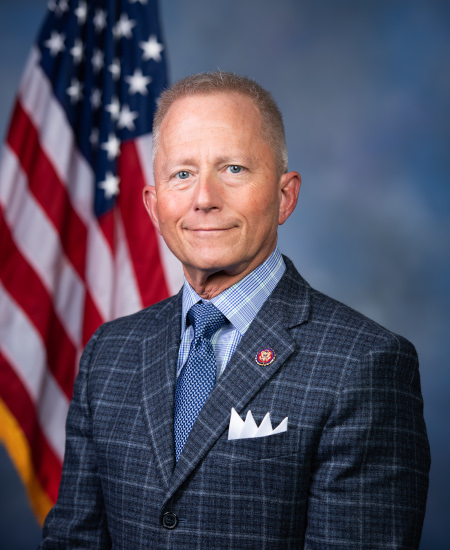
Rep. Jefferson Van Drew
Sponsored bills
Maddy summaryHRES 203 is a symbolic resolution recognizing military animals (like dogs, horses, and pigeons) and their handlers for service in war and peace. It acknowledges their historical contributions - such as military working dogs in WWII, Vietnam, and recent conflicts - and supports establishing an annual process to nominate animals for existing awards like the Animals in War & Peace Medal of Bravery. The resolution does not create new laws, funding, or medals but formally endorses honoring these animals’ service through a structured recognition program. It directly affects military animals and handlers by affirming their role in national security, though the actual awards are administered by a nonprofit organization.
Maddy summaryHR 1990, the American Innovation and R&D Competitiveness Act of 2025, amends tax rules for businesses to make research and development (R&D) costs more flexible. It allows companies to deduct R&D expenses immediately as business costs (instead of capitalizing them) or to spread these costs over a minimum 60-month period. The bill clarifies which R&D expenses qualify, excludes land improvements and mineral exploration costs, and ensures companies can claim R&D tax credits without conflict with expense treatment. This directly affects businesses that conduct R&D, changing how they account for these costs on tax returns starting for 2022 taxable years.
Maddy summaryThis bill automatically reduces the interest rate on eligible federal student loans to 2.0% for all borrowers, starting July 1 after enactment. It applies to all federal loans held by the U.S. Department of Education (like Direct Loans) and refinances other federal loans (like older FFELP loans) into new Direct Consolidation Loans at 2.0% interest without requiring borrower action (though borrowers may opt out of refinancing). Key provisions include eliminating origination fees, preserving original repayment terms, and requiring the Department to report annually on participation and delinquency rates. The policy directly affects millions of student loan borrowers with federal loans, lowering their interest costs without altering repayment duration or forgiveness eligibility.
Maddy summaryHRES 189 is a procedural resolution censuring Representative Al Green (D-TX) for disrupting a joint session of Congress on March 4, 2025, when he interrupted the President's address. The resolution states his conduct breached proper decorum, leading to his removal by the Sergeant at Arms. It mandates Green to appear in the House chamber for the public pronouncement of censure, with the resolution to be read aloud by the Speaker. This is a formal disciplinary action by the House, not a policy change affecting constituents or legislation.
Maddy summaryThis bill amends the Fair Labor Standards Act to remove an exemption that previously allowed certain truck drivers to be excluded from overtime pay requirements. It directly affects commercial truck drivers who were previously not required to receive overtime pay for hours worked beyond 40 in a workweek. The key mechanism is striking the existing exemption language in Section 13(b), which would require truck drivers to be paid overtime for all hours worked over 40 per week. This change would extend standard overtime protections to these workers under federal law. The bill focuses on a specific policy change to labor standards, not broader industry impacts.
Maddy summaryHR 1902, the HERO Act, creates a national data system to track suicide rates among public safety officers (including firefighters, EMTs, police, and telecommunicators) and requires annual reports to Congress with detailed breakdowns by age, gender, occupation, and employment status (volunteer, career, etc.). The bill funds peer-support mental health programs for fire departments and EMS agencies, establishes confidential wellness services for healthcare providers, and develops resources to train mental health professionals on first responder-specific stressors and PTSD. It prohibits using suicide data to deny life insurance or benefits to survivors and mandates that all collected data be kept confidential and secure. This legislation directly affects all public safety officers nationwide by improving data collection, access to mental health resources, and evidence-based interventions to address suicide and trauma.
Maddy summaryHR 1940, the Tanning Tax Repeal Act of 2025, removes a federal excise tax on indoor tanning services. It directly affects tanning salons and businesses providing these services by eliminating the tax they previously paid. The bill repeals Chapter 49 of the Internal Revenue Code, which imposed the tax, and the change takes effect for services provided after the bill becomes law. This is a straightforward tax repeal with no new requirements or funding mechanisms.
Maddy summaryThis bill modifies U.S. tax rules to exclude certain payments made to foreign subsidiaries or affiliates from being classified as "base erosion payments" (payments that reduce U.S. tax revenue). It applies specifically to multinational corporations making cross-border payments to foreign entities that pay at least 15% effective foreign income tax. To qualify, companies must prove the foreign entity’s tax rate meets the threshold using standard financial statements with adjustments for items like dividends or currency gains. The policy change aims to prevent double taxation on such payments while maintaining anti-avoidance safeguards.
Maddy summaryThis resolution formally censures Representative Al Green (D-TX) for disrupting President Trump's address during a joint session of Congress on March 4, 2025. It requires him to appear in the House chamber for the public reading of the censure resolution, which states his actions violated decorum rules and brought disrepute to Congress. As a procedural resolution, it does not enact policy changes but serves as a formal reprimand for conduct during a congressional session.