

Maddy summaryHR 8533, the Safe Air on Airplanes Act, requires the Federal Aviation Administration to update aircraft safety regulations to address bleed air systems. It prohibits new jet and turboprop aircraft designs from using these systems, mandates filters to remove oil fumes in new aircraft within 7 years, and sets a 30-year phase-out schedule for existing aircraft designs (25% by year 10, 50% by year 20, 100% by year 30). The bill directly affects aircraft manufacturers and airlines by changing requirements for new aircraft production and fleet modifications. It focuses on technical air quality standards for cabin air, not health outcomes or costs.
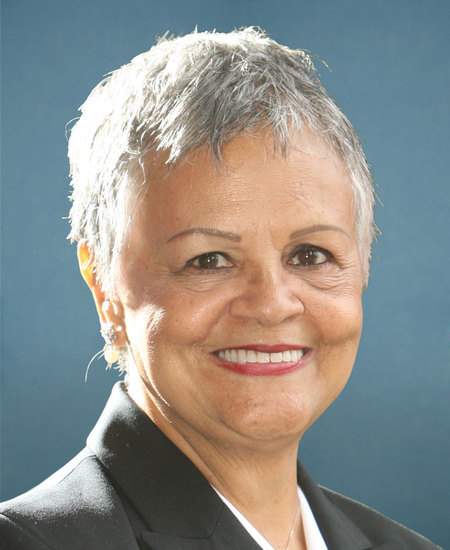
Rep. Bonnie Watson Coleman
Sponsored bills
Maddy summaryHRES 1244 is a formal House resolution censuring Supreme Court Associate Justice Samuel Alito for allegedly violating judicial ethics rules. The resolution claims Alito knowingly violated the Federal recusal statute and the Supreme Court’s 2023 Code of Conduct by flying an upside-down American flag in front of his home during the 2020 election dispute period - a symbol associated with false claims of election fraud. It demands Alito recuse himself from all cases related to the 2020 election and the January 6, 2021, Capitol insurrection, arguing his conduct created a reasonable appearance of bias. This is a symbolic resolution with no legal effect, as censures in Congress do not alter judicial duties.
Maddy summaryHR 8469, the Diverse Cybersecurity Workforce Act of 2024, requires the Cybersecurity and Infrastructure Security Agency (CISA) to establish a new program within its existing education initiative. The program targets underrepresented groups in cybersecurity, including racial and ethnic minorities, women, veterans, people with disabilities, older individuals (40+), those from low-income backgrounds, and people with nontraditional educational paths (like community colleges or HBCUs). CISA must tailor outreach to schools, unions, community colleges, and local workforce offices to promote cybersecurity careers in these communities. The bill authorizes $20 million annually (2025-2030) and mandates annual reports to Congress on the program's impact on workforce diversity.
Maddy summaryHR 8376, the Latino Youth Mental Health Empowerment Act, aims to address mental health disparities affecting Hispanic and Latino youth by requiring a national awareness campaign and two key studies. The bill mandates a $5 million campaign (2025-2029) to combat stigma and increase access to culturally competent mental health resources for youth, parents, and school staff through materials, workshops, and screenings. It also requires a study on mental health barriers and suicide rates (with a report to Congress within one year) and a separate study on the shortage of Hispanic/Latino mental health professionals, both requiring disaggregated data by race, ethnicity, and other factors. The bill directly targets Hispanic and Latino youth - facing higher rates of depression, suicide contemplation, and lower treatment access - by focusing on outreach, service improvements, and workforce development.
Maddy summaryThis bill directs the U.S. Department of Health and Human Services to issue guidance to states within one year on using Medicaid and CHIP programs to boost the pediatric mental health workforce. It requires states to implement strategies focused on recruiting and retaining pediatric mental health providers (including in rural/underserved areas and for racial/ethnic minorities), improving care for limited English proficiency patients, expanding telehealth services, and offering incentives like better reimbursement or student loan repayment. The guidance must cover specific approaches such as integrated care models and training for providers. States must report on implementing these strategies to Congress within two years. The bill directly affects states administering Medicaid/CHIP and pediatric mental health providers serving children.
Maddy summaryHRES 1063 is a non-binding resolution passed by the U.S. House of Representatives to reaffirm America's commitment to NATO ahead of its 75th anniversary. It formally recognizes NATO's role in collective security, emphasizes Article 5's importance for mutual defense, and supports Finland and Sweden's membership. The resolution also calls on NATO allies to meet the 2% defense spending target, but does not create new laws or affect specific individuals or groups.
Maddy summaryThe Public Service Freedom to Negotiate Act of 2024 establishes federal minimum standards for collective bargaining rights for public employees and supervisory employees. The Federal Labor Relations Authority will determine if each state's laws "substantially provide" for these rights, and if not, federal standards will apply to that state. These standards include the right to self-organization, collective bargaining, recognition of labor organizations, and procedures for resolving disputes. The bill preserves existing collective bargaining agreements and excludes certain employee categories like emergency services workers from some provisions.
Maddy summaryThis bill requires the Consumer Product Safety Commission (CPSC) to create new safety standards for lithium-ion batteries used in electric bicycles and scooters within 180 days of the bill's enactment. The standards aim to prevent battery-related fires by setting specific safety requirements for these batteries and devices. The CPSC must define which battery types and devices fall under the rule as part of the standard. Once established, the standard will function as an official safety rule under existing consumer product safety law.
Maddy summaryThis bill requires Medicare to pay separately for certain high-cost diagnostic drugs used in nuclear imaging (like those for cancer detection) starting in 2024. It applies to drugs with a daily cost of $500 or more (adjusted annually), ensuring they are not bundled with other services. Payments will be based on either the drug's average sales price or wholesale cost, with adjustments to keep overall Medicare spending unchanged. This directly affects Medicare Part B providers (hospitals, clinics) and beneficiaries receiving these specific diagnostic treatments.
Maddy summaryHRES 1228 is a ceremonial resolution passed by the U.S. House of Representatives to formally recognize May as Asian American, Native Hawaiian, and Pacific Islander (AANHPI) Heritage Month. It celebrates the historical contributions of AANHPI communities to the United States, citing their diverse cultural impact and key milestones like the completion of the transcontinental railroad. The resolution does not create new laws or policies but encourages the public to observe the month through educational programs and events. It directly affects all Americans by promoting awareness of AANHPI history and achievements, while acknowledging ongoing challenges like anti-Asian hate crimes.