

Maddy summaryThis House resolution supports the goals of World AIDS Day by encouraging efforts to end the HIV epidemic by 2030, aiming for zero new infections, zero discrimination, and zero AIDS-related deaths. It specifically urges sharing of U=U (Undetectable=Untransmittable) information and PrEP (pre-exposure prophylaxis) to prevent transmission, and calls for increased funding for HIV prevention, treatment, and research - particularly for communities disproportionately affected by HIV, such as racial minorities, men who have sex with men, and transgender individuals. The resolution commends existing programs like PEPFAR and the Ryan White CARE Act while advocating for expanded testing, antiretroviral treatment, and comprehensive prevention services, including a National PrEP Program.
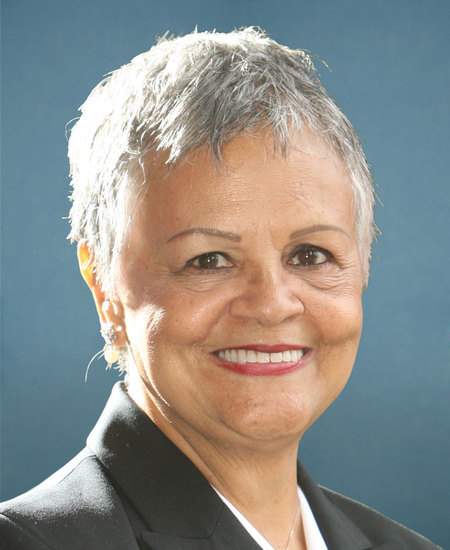
Rep. Bonnie Watson Coleman
Sponsored bills
Maddy summaryHR 9997 designates the Department of Veterans Affairs community-based outpatient clinic in Toms River, New Jersey, as the "Leonard G. 'Bud' Lomell, Jr. VA Clinic." This ceremonial bill names the facility after Second Lieutenant Leonard G. Lomell, Jr., a D-Day hero who led a critical mission at Pointe-du-Hoc during World War II and later served his community in Toms River. The bill has no policy provisions - it simply changes the clinic's official name for recognition purposes. The naming honors Lomell's military service, post-war civic contributions, and connection to the Toms River area.
Maddy summaryThis bill (HR 5476) is a ceremonial naming resolution that designates the U.S. Postal Service facility at 1077 River Road, Suite 1, in Washington Crossing, Pennsylvania, as the "Susan C. Barnhart Post Office." It directly affects the physical post office location and all official U.S. government references to it. The bill requires all federal documents, maps, and records to use the new name instead of the previous designation. This is a procedural change with no policy or funding impact, solely honoring Susan C. Barnhart through the facility's name.
Maddy summaryThe Working Dog Commemorative Coin Act (HR 807) directs the U.S. Treasury to mint three types of commemorative coins honoring working dogs' service: $5 gold coins, $1 silver coins, and half-dollar coins with specific weight and composition requirements. Each coin will carry a surcharge ($35 for $5 coins, $10 for $1 coins, $5 for half-dollars) that will be paid directly to America's VetDogs to support their programs providing service dogs for veterans, the disabled, and others. The coins will be issued in 2027 with designs reflecting working dogs' roles in military, detection, therapy, and assistance work. The legislation specifies that all surcharge revenue must fund America's VetDogs' operations without creating new government programs. This is a commemorative measure focused on honoring working dogs' contributions through coin sales, with all surcharge funds going to a specific nonprofit organization.
Maddy summaryThe Honoring Family-Friendly Workplaces Act establishes a federal certification program for employers that implement specific family-supportive policies. To earn certification, employers must offer paid family leave (at least 12 weeks annually for reasons like childbirth, adoption, or caring for a sick family member), paid sick days separate from other leave, childcare subsidies or on-site infant care, flexible scheduling after parental leave, and lactation support. The program, administered by the Secretary of Labor, is voluntary and requires employers to apply and demonstrate compliance with these requirements. It directly affects employers seeking recognition for their family-friendly workplace practices, not employees or existing legal obligations.
Maddy summaryThis resolution urges Ukraine to reverse its 2022 suspension of adoptions by foreign nationals, including U.S. citizens. It specifically asks Ukraine to review its decision and resume such adoptions, prioritizing cases where U.S. prospective parents had already completed Ukrainian adoption requirements before the suspension or where children were part of pre-existing Ukrainian hosting programs. The resolution does not change U.S. law but formally requests Ukraine address mutual concerns to protect children's best interests. It directly affects U.S. families seeking to adopt Ukrainian children and Ukraine's adoption policies.
Maddy summaryThis bill protects donors (including individuals, manufacturers, and distributors) and nonprofits from legal liability when providing menstrual products - such as pads, tampons, cups, or liners - in good faith to people in need. It shields them from lawsuits related to the product's condition, age, or packaging, as long as the items meet all federal, state, and local safety standards (even if not commercially sellable). The protection does not apply if gross negligence or intentional harm causes injury. The law directly supports access to essential menstrual products for vulnerable individuals through nonprofit distribution networks.
Maddy summaryThis bill establishes federal grants to expand training and support services for unpaid caregivers of people with Alzheimer's disease or related dementia. It authorizes funding for organizations like senior centers, area agencies on aging, and community health centers to provide direct caregiver support, requiring at least 50% of grant funds to go directly to services (not administration) and limiting administrative costs to 10%. Priority is given to nonprofit organizations serving underserved communities, including minority, low-income, and disability communities. The program, funded for fiscal years 2025-2029, aims to improve access to culturally appropriate caregiver resources nationwide.
Maddy summaryThe Our Homes, Our Votes Act requires landlords and public housing agencies managing federally assisted housing (including public housing, Section 8, and supportive housing programs) to include voter registration forms in lease agreements. When tenants sign their lease, it automatically serves as a voter registration application for federal elections, unless they opt out. Landlords must ensure forms include basic eligibility information, provide language access for limited-English speakers, and submit completed forms to election officials within 10 days. This applies to all tenants in covered housing units, streamlining registration without requiring separate action.
Maddy summaryThe Minority Diabetes Initiative Act (HR 10193) creates a federal grant program to improve diabetes care in minority communities. It authorizes the Secretary of Health and Human Services to fund public and nonprofit health providers - including community health centers, tribal health departments, and community organizations - to deliver specific diabetes services. These grants must cover routine care, prevention education, eye/foot care, and treatment for complications like kidney disease, while requiring services to be culturally appropriate and offered in accessible languages. The program is funded through annual appropriations for fiscal years 2025-2030. This bill directly affects minority communities with high diabetes rates by expanding access to comprehensive, culturally responsive care through eligible health providers.