

Maddy summaryThis resolution expresses the House of Representatives' support for the goals of Alzheimer's and Brain Awareness Month, which takes place in June. It aims to raise public awareness about Alzheimer's disease and other forms of dementia while encouraging individuals to educate themselves and advocate for better research and care services. The document highlights the significant impact of these conditions on millions of Americans and calls for increased support for patients, their families, and caregivers.
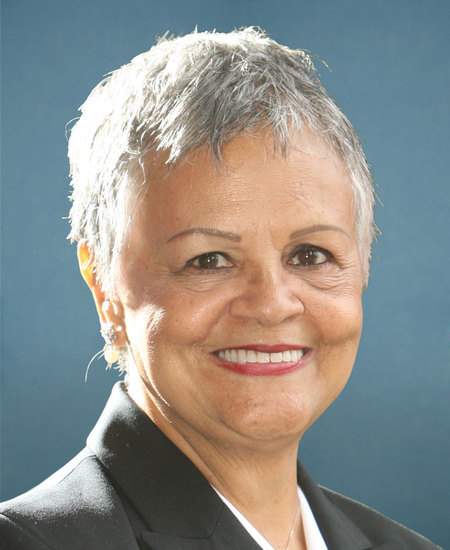
Rep. Bonnie Watson Coleman
Sponsored bills
Maddy summaryThe LIFT the BAR Act aims to restore access to federal benefits for lawfully present noncitizens by repealing several restrictions imposed by the 1996 welfare reform law and a 2024 reconciliation bill. Specifically, it would allow eligible noncitizens to receive SNAP food assistance, Medicaid, CHIP, and child nutrition programs, while also updating legal terminology to refer to "noncitizens" rather than "aliens" in relevant statutes. The legislation includes provisions to ensure these individuals can qualify for premium tax credits and would require federal agencies to issue implementation guidance within 180 days of enactment.
Maddy summaryThis concurrent resolution directs the President to withdraw all U.S. armed forces from hostilities in Lebanon within seven days of the bill's adoption. It uses the War Powers Resolution to mandate this withdrawal while explicitly allowing continued security cooperation with Lebanese forces and the protection of diplomatic facilities. The measure clarifies that it does not authorize the use of military force, serving as a specific instruction to end active combat operations in the region.
Maddy summaryThe Comprehensive Paid Leave for Federal Employees Act expands paid family and medical leave benefits for federal workers, including those in the Executive Office of the President, the Postal Service, and the District of Columbia courts. Key provisions increase the standard leave entitlement to 12 weeks plus any accrued annual or sick leave, while also extending coverage to include pregnancy loss, fertility issues, and failed adoptions. The bill specifically adds a new category of leave allowing employees to take time off to address the needs of family members who are victims of dating violence, domestic violence, sexual assault, stalking, or sex trafficking. To fund this expanded coverage, the legislation requires employees to agree to work for a period equal to the time taken off, with exceptions made for death or serious health conditions.
Maddy summaryThis bill, known as the Wage Theft Prevention and Wage Recovery Act, aims to combat unpaid wages by strengthening penalties for employers who violate federal labor laws and providing workers with better tools to recover stolen money. It directly affects employees across industries who are currently at risk of not receiving their full compensation for hours worked, tips, or benefits. Key provisions require employers to provide detailed paystubs and final payments within 14 days of termination, increase civil fines for violations, and extend the time limit for workers to file lawsuits from two to four years. Additionally, the legislation creates a new grant program to fund community partnerships between the Department of Labor and local organizations to educate workers, assist with claims, and improve enforcement efforts.
Maddy summaryThis resolution expresses the House of Representatives' sense that Congress must urgently restore the Voting Rights Act of 1965 to protect against racial discrimination in voting and ensure fair political representation for all Americans. It specifically calls for ending the 60-vote threshold in the Senate to allow for easier passage of legislation and proposes structural changes to the Supreme Court, including term limits for justices, a binding code of ethics, and potentially expanding the court's size. The text argues that recent Supreme Court decisions have weakened voting protections and enabled partisan gerrymandering, threatening the political power of communities of color and undermining democratic institutions. By outlining these specific legislative and structural goals, the bill aims to rebuild public trust in the judiciary and strengthen the mechanisms that guarantee equal access to the ballot box.
Maddy summaryThe Federal Workforce Reproductive Rights Protection Act prevents federal agencies from relocating headquarters or major operations to states with laws restricting or banning abortion, while also barring the use of funds to build or lease facilities in those locations. To support federal employees who need to access reproductive health care, the bill allows workers to decline transfers to restrictive states, grants up to 21 days of paid leave for travel to obtain such services, and provides reimbursement for travel costs without requiring disclosure of the specific medical procedure. Additionally, the legislation prohibits government agencies from investigating an employee's use of abortion services when reviewing security clearances or making personnel decisions and protects workers from retaliation if they exercise these new rights.
Maddy summaryThis bill, titled the Artificial Intelligence Data Center Moratorium Act, halts the construction and upgrading of large-scale artificial intelligence data centers until specific federal laws are passed. It defines these facilities as sites with high power capacity or advanced cooling systems used for developing AI models. The moratorium remains in effect until new legislation ensures federal safety reviews for AI products, mandates that economic benefits reach workers rather than just wealthy owners, prevents increases in utility bills, avoids environmental harm, requires community approval, bans government subsidies, and guarantees union jobs with strong labor standards. Additionally, the bill restricts the export of computing hardware, such as semiconductors and networking equipment, to countries that do not adopt these same protective laws for AI development.
Maddy summaryThe Right to Vote Act establishes legal protections against government actions that make it more difficult for citizens to vote in federal elections. It prohibits any rule or practice that diminishes voting ability unless the government proves it is the least restrictive way to achieve an important interest, and it similarly blocks substantial impairments unless they significantly further a specific government goal. The bill creates a new legal pathway for voters to challenge these restrictions in federal court, requiring judges to expedite these cases and shifting the burden of proof to the government to justify any voting barriers. These protections apply to all U.S. states, territories, and the District of Columbia for elections occurring on or after September 1, 2026.
Maddy summaryThis bill redesignates the existing National Parks and Public Land Legacy Restoration Fund as the America's Legacy Restoration Fund to address deferred maintenance on federal lands. It directs revenue from recreation fees and a portion of energy development income into the fund, which must be used primarily for repairing critical infrastructure like roads, trails, and buildings managed by agencies such as the National Park Service and the Forest Service. The legislation establishes strict rules requiring that most funds go toward non-transportation projects, mandates transparency through public dashboards tracking project status, and sets aside a small percentage for matching private donations. Additionally, the bill increases entrance fees for foreign visitors to ensure they contribute to the fund, while prohibiting the use of these specific funds for land acquisition or employee bonuses.