

Protecting our Students in Schools Act of 2021 This bill prohibits the use of corporal punishment in schools that receive federal funding. Specifically, the bill authorizes the Department of Education (ED) to take specified actions (e.g., withholding funds and issuing cease-and-desist orders) for schools that allow school personnel, law enforcement officers, or school security guards to subject students to corporal punishment. The bill also establishes enforcement provisions, including a private right of action for a student who has been subjected to corporal punishment. Each state educational agency (SEA) that receives federal funding must submit specified information to ED, including a school climate report that describes the SEA's policies and procedures related to exclusionary and aversive discipline practices in schools. Additionally, the bill authorizes ED to award three-year grants to SEAs and, through them, subgrants to local educational agencies to implement positive behavioral interventions and supports to address student behavior and reduce exclusionary and aversive discipline practices. ED must promulgate regulations as necessary to ensure compliance with the bill. The Department of Defense and the Department of the Interior must ensure that the schools they operate or fund also comply with these regulations.
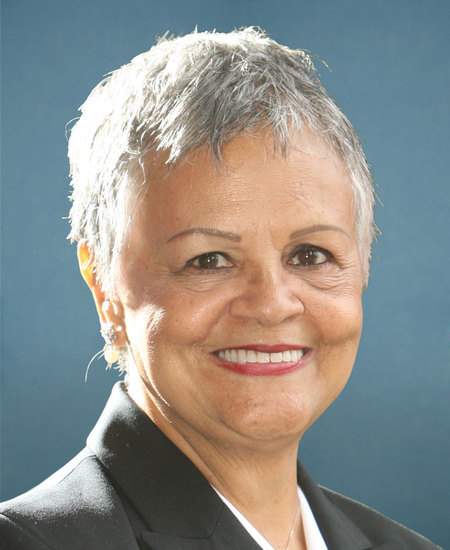
Rep. Bonnie Watson Coleman
Sponsored bills
State-Based Universal Health Care Act of 20 21 This bill establishes the option for states, or groups of states, to apply to waive certain federal health insurance requirements and provide residents with health insurance benefits plans through a state-administered program. Such programs must cover 95% of the residents in the state within five years and plan benefits must be at least as comprehensive and affordable as the coverage under the equivalent federal program. State programs are supported with funds from the federal programs the state programs replace, which may include Medicare, Medicaid, the Children's Health Insurance Program, the Federal Employee Health Benefits program, certain federal tax credits, and premium-assistance funds, among others. The bill requires the Department of Health and Human Services to appoint an Independent Assessment Panel for Comprehensive Care to review and recommend whether to approve state applications. Each approved state program must be independently reviewed every five years to evaluate changes in health benefits access, quality, and coverage, including whether the state has met the 95% coverage requirement. The federal government must pay all health insurance costs for American Indians and Alaska Natives who enroll in a plan through a state insurance program.
Paycheck Fairness Act This bill addresses wage discrimination on the basis of sex, which is defined to include pregnancy, sexual orientation, gender identity, and sex characteristics. Specifically, it limits an employer's defense that a pay differential is based on a factor other than sex to only bona fide job-related factors in wage discrimination claims, enhances nonretaliation prohibitions, and makes it unlawful to require an employee to sign a contract or waiver prohibiting the employee from disclosing information about the employee's wages. The bill also increases civil penalties for violations of equal pay provisions. Additionally, the Equal Employment Opportunity Commission (EEOC) and the Office of Federal Contract Compliance Programs must train EEOC employees and other affected parties on wage discrimination. The bill directs the Department of Labor to (1) establish and carry out a grant program to provide training in negotiation skills related to compensation and equitable working conditions, (2) conduct studies to eliminate pay disparities between men and women, and (3) make available information on wage discrimination to assist the public in understanding and addressing such discrimination. The bill establishes the National Award for Pay Equity in the Workplace for an employer who has made a substantial effort to eliminate pay disparities between men and women. It also establishes the National Equal Pay Enforcement Task Force to address compliance, public education, and enforcement of equal pay laws. Finally, the bill requires the EEOC to issue regulations for collecting from employers compensation and other employment data according to the sex, race, and national origin of employees for use in enforcing laws prohibiting pay discrimination.
This resolution commends domestic and international efforts to combat human immunodeficiency virus/acquired immunodeficiency syndrome (HIV/AIDS) and calls for additional actions to address the disease.
Armed Forces Transgender Dependent Protection Act This bill expands the policy of the Office of Special Needs within the Department of Defense to address transgender dependents. Specifically, the bill codifies the definition of a medical or educational special need to include gender dysphoria. Under the bill, the policy of the office must prohibit the assignment of a military family with special needs to a permanent duty location where the law restricts medically necessary treatment for a medical or educational special need. A member who is serving at a location when such a law is established may elect to be reassigned.
This resolution acknowledges the 12th anniversary of the end of the war in Sri Lanka and offers condolences to all those affected. It also commends the UN Human Rights Council for prioritizing the collection of evidence of human rights violations.
United States Army Rangers Veterans of World War II Congressional Gold Medal Act This bill provides for the award of a single Congressional Gold Medal to the U.S. Army Rangers Veterans of World War II in recognition of their dedicated service during World War II.
Filing Relief for Natural Disasters Act This bill authorizes the Internal Revenue Service to postpone federal tax filing deadlines upon the written request of a governor of a state in which an emergency or disaster has been declared. The bill also extends current mandatory extensions from 60 to 120 days. For purposes of this bill, a state includes the District of Columbia, the Commonwealth of Puerto Rico, the U.S. Virgin Islands, Guam, American Samoa, and the Commonwealth of the Northern Mariana Islands.
Reproductive Rights are Human Rights Act of 2021 This bill directs the Department of State to include in its annual reports on human rights in countries receiving U.S. development and security assistance a discussion of the status of reproductive rights in each country. This must include whether a country has adopted and enforced policies to (1) promote access to contraception and accurate, nondiscriminatory family planning and sexual health information; (2) provide services to ensure safe and healthy pregnancy and childbirth; (3) expand or restrict access to safe abortion services; and (4) prevent and treat sexually transmitted diseases. For each country, the reports shall also contain (1) data concerning pregnancy-related injuries and deaths; and (2) a description of the nature and extent of discrimination and violence against women, girls, and LGBTQI+ individuals in health care settings and the relevant government's response to such actions.
Trees for Residential Energy and Economic Savings Act of 2021 or the TREES Act of 2021 This bill directs the Department of Energy (DOE) to establish a grant program for states, local governments, Indian tribes, and other entities to facilitate tree planting projects that reduce residential energy consumption. Under the program, DOE may award grants to facilitate the planting of at least 300,000 trees annually in residential neighborhoods.