

Maddy summaryHRES 1114 is a ceremonial resolution recognizing the 114th anniversary of the Girl Scouts of the United States of America (founded March 12, 1912). It formally celebrates the organization’s mission of building girls’ courage, confidence, and character through programs focused on leadership, STEM, community service, and inclusive spaces. The resolution specifically honors Girl Scouts who earned the Gold Award in 2025 and encourages continued support for their work in developing future women leaders. As a non-binding resolution, it has no legal effect but serves as a symbolic expression of congressional appreciation for the Girl Scouts’ community impact.
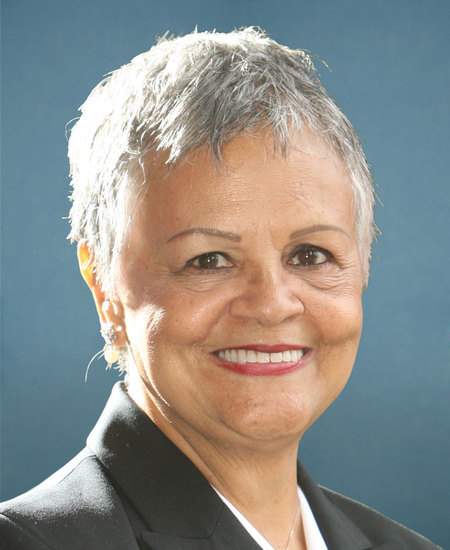
Rep. Bonnie Watson Coleman
Sponsored bills
Maddy summaryThis bill expands the TRICARE program to cover wigs for service members with traction alopecia, a hair loss condition caused by tight hairstyles. It also adds traction alopecia to the list of covered conditions for wig provision and requires the Secretary of Defense to issue grooming standards and training materials by September 30, 2026. These regulations aim to inform military personnel about health risks associated with tightly gathered hairstyles, dyes, and chemical hair products. The changes directly affect active duty service members enrolled in TRICARE who experience hair loss from styling practices.
Maddy summaryThis bill, known as the Fair Wages for Home Care Workers Act, would change federal labor rules to require overtime pay and minimum wage protections for certain babysitters. It specifically targets casual babysitting work that is irregular or intermittent, while excluding trained medical professionals like nurses and home health aides from these changes. The law would also allow babysitters to perform up to 20% of their work time on unrelated household tasks without losing their protected status. These amendments would apply to workers covered by the Fair Labor Standards Act of 1938 who provide custodial care for infants or children in private homes.
Maddy summaryThis bill directs the Joint Committee of Congress on the Library to commission and place a statue of Clarence Mitchell, Jr. in a permanent public location within the United States Capitol. The legislation authorizes the committee to enter into agreements with an artist or organization to create the statue and permits the Architect of the Capitol to handle related contracts on the committee's behalf. Funding is authorized to cover the costs of obtaining and installing the statue, with no specific time limit for spending the allocated funds. The bill honors Mitchell, Jr., a civil rights leader and former NAACP Washington Bureau director, by recognizing his contributions to civil rights legislation through a physical memorial in the Capitol.
This concurrent resolution directs the President to terminate the use of U.S. Armed Forces from hostilities against Iran or any part of the Iranian government or military unless a declaration of war or authorization to use military force for such purpose has been enacted. The resolution specifies that it shall not be construed to prevent the United States from defending itself from imminent attack.
Maddy summaryHRES 1107 is a House resolution urging the President to issue a proclamation flying the U.S. flag at half-staff to honor Rev. Jesse Jackson. The resolution recognizes his civil rights leadership, including founding the Rainbow PUSH Coalition and his presidential campaigns in 1984 and 1988, which advanced racial equality and economic justice. This symbolic gesture directly affects the President (as the one who would issue the proclamation) and the public, who would observe the flag at half-staff.
Maddy summaryThis bill, titled the Welcoming International Success Act, would nullify a 2025 executive proclamation that restricted entry for certain nonimmigrant workers. It directly affects foreign workers holding H-1B visas and other nonimmigrant categories who were previously subject to the entry restrictions. The key provision states that the proclamation will have no legal force and prohibits the use of federal funds to implement it. This legislation would effectively remove the barriers established by the earlier proclamation, allowing the affected workers to enter the United States under normal immigration procedures.
Maddy summaryThis bill, the PrEP Access and Coverage Act of 2026, requires most health insurance plans to cover HIV prevention medication without charging patients any out-of-pocket costs. It directly affects people with private insurance, government health programs like Medicare and Medicaid, military health care, and the Indian Health Service. The law mandates that insurance companies cannot require pre-approval for these medications, cannot charge deductibles or copayments for them, and cannot deny or charge higher premiums for life, disability, or long-term care insurance based on someone taking HIV prevention medication. The bill also creates a new public education campaign to increase awareness about HIV prevention options and provides federal funding to states and community organizations to expand access to these services.
Maddy summaryThis bill requires hospitals receiving Medicare funding to create discharge plans for pregnant patients who are expected to leave the hospital before delivery, ensuring they have safe transportation and access to backup care if needed. The discharge plans must include clinical justification for early discharge, assessment of travel logistics, identification of alternative delivery facilities, and confirmation that patients understand the information in their primary language. Additionally, the bill expands rural maternal health training grants to include racial bias training, establishes performance milestones for grant recipients, and creates a new initiative to evaluate different training models for healthcare professionals. The legislation also mandates the development of a public dashboard tracking maternal health outcomes and federal investments in maternal health research.
Maddy summaryHR 7856, the Fair Housing for Survivors Act of 2026, amends the Fair Housing Act to explicitly prohibit housing discrimination based on being a survivor of domestic violence, sexual assault, or severe trafficking in persons. It adds "survivor of domestic violence, sexual assault, or severe trafficking" as a protected class in the law, alongside existing categories like race or national origin. This means landlords, housing providers, and programs cannot deny housing, evict, or otherwise discriminate against individuals due to their status as a survivor. The bill directly affects survivors who face housing barriers, including those with protective orders, shelter histories, or past evictions linked to abuse.