

Maddy summaryThis bill modifies federal highway funding rules to prioritize safety for cyclists and pedestrians. It allows states and local governments to receive 100% federal funding for projects that connect existing bike/pedestrian infrastructure or reduce safety risks for these users, instead of the usual lower federal share. The bill also requires projects to align with state safety plans focusing on vulnerable road users and includes specific "Proven Safety Countermeasures" for cyclists/pedestrians. These changes directly affect states administering federal highway funds and local governments seeking to improve non-motorized transportation infrastructure.
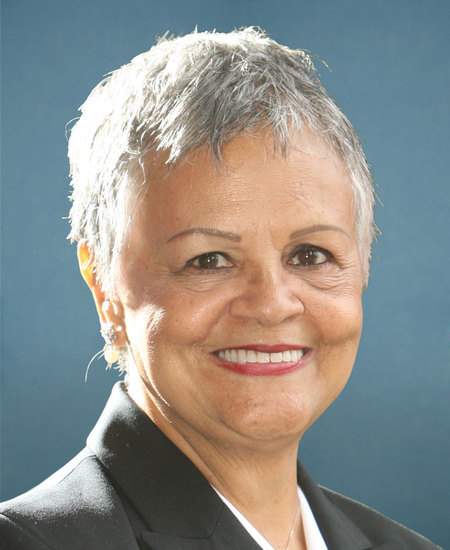
Rep. Bonnie Watson Coleman
Sponsored bills
Maddy summaryHR 1320, the COAST Anti-Drilling Act, bans new oil and gas leasing in four specific coastal areas: the Mid-Atlantic, South Atlantic, North Atlantic, and Straits of Florida planning areas of the outer Continental Shelf. The bill amends federal law to prohibit the Secretary of the Interior from issuing any leases or authorizations for exploration, development, or production of oil, natural gas, or minerals in these regions. This directly affects coastal states and marine ecosystems in those areas by preventing new offshore drilling projects. The law creates a permanent restriction on new leasing in these designated zones.
Maddy summaryThe Food Deserts Act creates a federal grant program to help establish grocery stores in underserved communities by funding state revolving funds. States receive capitalization grants (up to $150 million for FY2022) to provide low-interest loans to grocery stores that meet specific criteria, such as selling unprocessed, affordable healthy foods and matching 20% of the loan with non-federal funds. Priority is given to stores hiring local workers, offering nutrition education, sourcing from local farms, and having established supply chains. The program directly supports grocery store operators in areas with limited access to fresh food, aiming to improve community health outcomes through increased access to nutritious options.
Maddy summaryThe Outdoors for All Act establishes a federal grant program to fund outdoor recreation projects in underserved communities. It authorizes the Secretary of the Interior to award grants to eligible entities (like states, cities, tribal organizations, or nonprofits) for acquiring land, developing parks, or renovating outdoor facilities in qualifying urban areas (population 25,000+ or tribal lands) or low-income communities (where 30%+ of residents have incomes at or below 80% of local median income or 200% of the federal poverty line). Grants require a 100% cash or in-kind match (with limited waivers), prohibit funding for indoor facilities or maintenance, and prioritize projects enhancing park access, engaging youth, creating jobs, or improving environmental benefits like reducing urban heat islands. The program mandates annual reporting and focuses on concrete community outcomes rather than speculative results.
Maddy summaryThe TRACK Act of 2023 requires federal agencies (including HHS, NIH, Defense, and Veterans Affairs) to create a public database tracking all government funding for biomedical research and development. It compiles specific details about contracts, grants, licensing agreements, and tax benefits related to drug, device, and therapy development - including funding amounts, recipient organizations, product names/prices, and patent information. The database must be searchable by the public within one month of the bill’s enactment and updated every two weeks. This directly affects federal agencies managing biomedical funding and the private companies, institutions, and researchers receiving that support. The goal is to increase transparency about how taxpayer dollars fund medical product development.
Maddy summaryHCONRES 23 is a non-binding resolution expressing Congress's support for recognizing March 10, 2023, as "Abortion Provider Appreciation Day." It honors abortion providers and clinic staff for delivering essential reproductive healthcare amid increased restrictions following the Supreme Court's Dobbs decision, which overturned Roe v. Wade. The resolution condemns the Dobbs ruling, affirms Congress's commitment to protecting providers' safety, and emphasizes ensuring access to abortion care. As a symbolic gesture, it does not create new laws or change existing policies.
This resolution recognizes the deadly impact colorectal cancer; acknowledges racial disparities in the impact of colorectal cancer, particularly in the Black community; and encourages actions to address colorectal cancer and those disparities.
This resolution expresses support for the goals and ideals of Endometriosis Awareness Month. Endometriosis is a painful condition in which the tissue that normally lines the inside of the uterus grows outside the uterus.
Maddy summaryThe New Deal for New Americans Act of 2023 establishes a National Office of New Americans within the Executive Office of the President to coordinate federal efforts supporting immigrant and refugee integration. It creates several grant programs to provide legal assistance, English language training, and workforce development for immigrants, with specific provisions to reduce financial barriers to citizenship through fee waivers and modifications to English language requirements for seniors. The bill also establishes a "Proud to Be a United States Citizen Program" to promote naturalization and creates automatic voter registration for newly naturalized citizens. These provisions directly affect immigrants and refugees seeking citizenship and integration support, as well as federal agencies responsible for immigration services. The bill aims to improve access to citizenship, enhance integration into American society, and support refugees through comprehensive federal coordination.
Maddy summaryHR 1619 requires schools participating in the National School Lunch Program to provide fluid milk substitutes (like soy or almond milk) upon request by a student or their parent/guardian. The bill removes the previous requirement that substitutions needed a medical authority's written statement for most dietary needs, instead allowing requests based on the student's or parent's request alone. It aligns the definition of acceptable substitutes with current Dietary Guidelines for Americans. This change directly affects students with dietary restrictions, making it simpler for schools to accommodate their needs without extra medical documentation.