

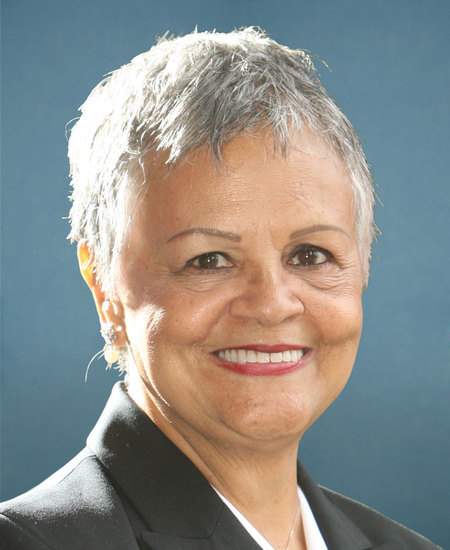
Photo of Bonnie Watson Coleman
D United States House · District 12 · New Jersey

Rep. Bonnie Watson Coleman

Compare
Total votes
2,837
all sessions
Attendance
95%
147 missed
Near the chamber average
With party
97%
of cast votes
Near the chamber average
Bipartisan score
1%
crosses aisle rarely
Near the chamber average
Sponsored
2,464
bills & resolutions
Higher than 96% of chamber peers
Committees
4
assignments
2,464 bills and resolutions

Sponsored bills

Total
2,464
Primary
131
Co-sponsor
2,333
Matching
2,464
matching current filters
Co-sponsor HR 4870
In committee · United States House · Co-sponsor
Wall Street Tax Act of 2023

Maddy summaryHR 4870, the Wall Street Tax Act of 2023, imposes a 0.1% tax on most securities transactions occurring on U.S. exchanges or involving U.S. persons. It directly affects financial institutions, brokers, and investors participating in covered transactions like stock, bond, and derivative trades. The tax applies to the fair market value of transactions (excluding initial security issuances and short-term debt under 100 days), with payment responsibility falling on U.S. exchanges, brokers, or U.S. parties depending on the transaction type. Exceptions include certain real property contracts, insurance products, and derivatives used in normal business operations. The tax takes effect for transactions after December 31, 2023.

In committee Jul 25, 2023 1 co-sponsor
Co-sponsor HR 4889
In committee · United States House · Co-sponsor
Raise the Wage Act of 2023

Maddy summaryHR 4889, the Raise the Wage Act of 2023, would gradually increase the federal minimum wage for most workers to $15.50 per hour by 2027, with specific annual targets: $9.50 starting in 2023, rising to $11.00 after one year, $12.50 after two years, and $15.50 after four years. It would also phase out the separate lower minimum wage for tipped employees (starting at $6.00/hour) by aligning their pay with the regular minimum wage by 2028, while requiring employers to let workers keep all tips. The bill includes similar phased increases for workers under 20 and transitions toward fairer wages for workers with disabilities under special certificates, which would sunset after 2028. Future annual increases after 2028 would tie the minimum wage to the median hourly wage of all workers.

In committee Jul 25, 2023 1 co-sponsor
Co-sponsor HR 4771
In committee · United States House · Co-sponsor
CHIPP Act

Maddy summaryThe CHIPP Act (HR 4771) permanently extends federal funding for the Children's Health Insurance Program (CHIP), which provides health coverage to low-income children in families that earn too much to qualify for Medicaid but cannot afford private insurance. It removes previous expiration dates (like 2029) from CHIP funding provisions, ensuring continuous support for states administering the program. The bill also permanently extends related programs, including pediatric quality measures funding with automatic inflation adjustments, and modifies eligibility rules to allow states to expand coverage for children in higher-income households. This affects all 50 states that run CHIP programs and the millions of children and families who rely on this coverage.

In committee Jul 21, 2023 1 co-sponsor
Co-sponsor HR 4796
In committee · United States House · Co-sponsor
Reproductive Health Patient Navigator Act of 2023

Maddy summaryHR 4796, the Reproductive Health Patient Navigator Act of 2023, establishes a federal grant program to fund organizations that help individuals access abortion services. Eligible entities - such as abortion funds, community groups, or local governments - would receive grants to provide services like connecting people to providers, coordinating travel/financing costs, offering culturally appropriate information, and ensuring data confidentiality. The bill includes strong legal protections, prohibiting states from restricting or penalizing navigators for assisting people seeking abortion services, even in states where abortion is illegal. It also allows affected navigators to sue states that violate these protections. The program is funded for fiscal years 2023 through 2027.

In committee Jul 21, 2023 1 co-sponsor
Co-sponsor HR 4699
In committee · United States House · Co-sponsor
The People’s Response Act

Maddy summaryThe People's Response Act establishes a new Division on Community Safety within the Department of Health and Human Services to fund community-based approaches to safety that are disconnected from traditional law enforcement and criminal justice systems. It creates four grant programs totaling $13 billion over five years: one for community-led organizations serving disproportionately impacted communities (especially Black and Indigenous communities), one for local governments to conduct safety needs assessments, one for states to support statewide implementation, and one for hiring and training first responders who provide non-carceral crisis response. These grants require recipients to use "qualified approaches to community safety" that avoid collaboration with carceral institutions and prioritize organizations led by or serving communities most affected by the criminal legal system. Recipients must report on outcomes including racial disparities in arrests, incarceration, and how funds are used to address safety needs through community-led initiatives.

In committee Jul 21, 2023 1 co-sponsor
Co-sponsor HRES 605
In committee · United States House · Co-sponsor
Recognizing that the United States needs to support and strengthen mothers in the workforce by investing in the Mom Economy.

Maddy summaryHRES 605 is a non-binding resolution recognizing the need to support mothers in the workforce through investments in the "Mom Economy." It highlights how mothers - especially mothers of color - face systemic barriers like childcare costs, wage gaps, and lack of paid leave, which contribute to their economic disengagement. The resolution calls for concrete policy changes, including expanding paid family leave, investing in affordable childcare, strengthening the child tax credit, and improving workplace protections for caregivers. It directly addresses mothers and families who rely on maternal earnings, emphasizing that supporting them would boost economic productivity and reduce poverty.

In committee Jul 20, 2023 1 co-sponsor
Co-sponsor HRES 608
In committee · United States House · Co-sponsor
Recognizing the importance of diversity, equity, and inclusion efforts in higher education.

Maddy summaryHRES 608 is a non-binding House resolution recognizing the value of diversity, equity, and inclusion (DEI) efforts at colleges and universities. It affirms that DEI initiatives help create supportive learning environments where all students, faculty, and staff thrive, and specifically supports programs like implicit bias training and cultural competence resources. The resolution emphasizes that DEI efforts strengthen institutions’ ability to recruit diverse talent and align with academic freedom principles. It also notes concerns about state-level efforts to restrict DEI programs and states that such restrictions threaten campus inclusivity. As a symbolic resolution, it does not create new laws or funding but expresses congressional support for DEI work in higher education.

In committee Jul 20, 2023 1 co-sponsor
Primary HR 4817
In committee · United States House · Lead sponsor
SHADE Act

Maddy summaryThe SHADE Act creates a federal grant program to plant trees in historically disadvantaged neighborhoods, primarily targeting redlined areas (former HOLC "hazardous" zones) and overburdened areas (where at least 35% of households are low-income, or 40% identify as minority/tribal, or 40% are limited English proficiency). Eligible entities - like cities, tribes, or nonprofits - must submit applications with 5-year plans, community input strategies, and evidence of housing policies preventing displacement. Grants cover tree planting, maintenance for 5 years, and training, with $50 million annually authorized through 2034. The bill directly affects communities facing environmental inequities by linking tree planting to neighborhood revitalization efforts.

In committee Jul 20, 2023 0 co-sponsors
Co-sponsor HR 4812
In committee · United States House · Co-sponsor
Food for Thought Act of 2023

Maddy summaryHR 4812, the Food for Thought Act of 2023, provides federal grants to eligible colleges and universities to offer free on-campus meals to low-income students. The bill targets institutions with high Pell Grant enrollment (at least 30% of undergrads), prioritizing community colleges, minority-serving institutions, and those in areas with high need. Participating schools must provide 1-10 free meals weekly to students facing food insecurity, with priority given to those with greatest financial need, and must report on student outcomes like retention and graduation rates. Grants cover meal costs, campus food pantries, and SNAP enrollment support, with funds allocated for 5 years and requiring detailed reporting on program impact.

In committee Jul 20, 2023 1 co-sponsor
Co-sponsor HR 4728
In committee · United States House · Co-sponsor
Transportation for Reentry Act

Transportation for Reentry Act This bill requires certain Federal Transit Administration (FTA) grant recipients to provide free public transportation to returning individuals (i.e., individuals who have been incarcerated for at least one year in federal or state prison).  Specifically, the bill requires recipients of FTA financial assistance under the Urbanized Area Formula Grants Program and the Formula Grants for Rural Areas Program to carry out a reentry service program. A grantee must provide reentry service for a one-year period beginning on the returning individual's release date. The bill also establishes certain program requirements for grantees (e.g., to create an enrollment system for returning individuals). The Department of Transportation (DOT) may reimburse a grantee for the cost of providing the reentry service, including for indirect costs (e.g., the costs to develop and implement the program and operational costs). DOT must issue such regulations as necessary to carry out these requirements. This includes regulations that (1) promote the coordination of providing technical assistance to grantees, (2) promote the marketing of the reentry service, and (3) clarify the treatment of a returning individual who resides in different locations. The bill also directs the Government Accountability Office to submit a report to Congress on the implementation of the reentry service program.

In committee Jul 20, 2023 1 co-sponsor
Showing 1,221 to 1,230 of 2,464 bills