

Working Dog Commemorative Coin Act This bill directs the Department of the Treasury to mint and issue 50,000 $5 gold coins, 500,000 $1 silver coins, and 750,000 half-dollar clad coins in commemoration of the service that working dogs provide to society. The designs of the coins minted under this bill shall be emblematic of the contributions of working dogs to society, including in detection, military service, therapy and assistance. Treasury may issue coins only during the one-year period beginning on January 1, 2023. All sales of coins shall include a surcharge, which shall be paid to America's VetDogs for general expenses associated with the fulfillment of its mission.
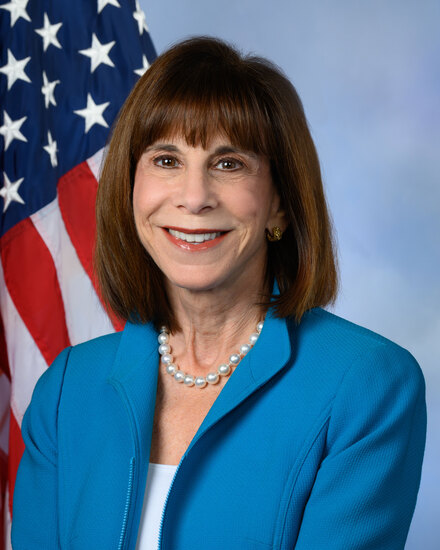
Rep. Kathy E. Manning
Sponsored bills
Veterans' Agricultural Apprenticeship Act of 2021 This bill requires the Department of Agriculture to establish a program to make direct loans to farmers and ranchers who will provide mentorship and apprenticeship opportunities for veterans who have not previously operated a farm or ranch. The Government Accountability Office must report on the effectiveness of the program in assisting veterans in becoming farmers and ranchers.
Access to Infertility Treatment and Care Act This bill requires private health insurance plans to cover (1) specified infertility treatments (e.g., in vitro fertilization), if the plan also covers obstetrical services; and (2) fertility preservation services for individuals who undergo medically necessary treatment that may cause impairment of fertility. Private health insurance plans must apply cost sharing for such services that does not exceed the amount for similar services covered by the plan. Further, plans are prohibited from (1) providing incentives for plan holders to forego infertility treatment, or (2) reducing the reimbursement rate to providers of such treatments. The bill also extends infertility treatment and fertility preservation coverage to Medicaid enrollees, federal employees, members of the military, and veterans.
Improving Medicare Coverage Act This bill temporarily expands eligibility for Medicare. It also temporarily establishes a premium and cost-sharing assistance program for low-income beneficiaries. Specifically, the bill lowers the age of eligibility for Medicare from 65 to 60. The Centers for Medicare & Medicaid Services must establish procedures to provide for automatic enrollment of qualifying individuals. Enrollment must be completed within 11 months of the bill's enactment. The bill also establishes a program under Medicare to assist low-income Medicare beneficiaries with premiums, coinsurance, deductibles, and other costs. Currently, such assistance is provided through Medicare Savings Programs, which are administered by state Medicaid programs. The bill also establishes a related special enrollment period under Medicare, expands eligibility for assistance to beneficiaries with income up to 200% of the federal poverty line, and provides for joint eligibility determinations with respect to the bill's program and the low-income subsidy program under the Medicare prescription drug benefit. The bill's provisions generally take effect six months after the bill's enactment and terminate five years later.
Taxpayer Penalty Protection Act of 2021 This bill exempts taxpayers from penalties for failure to pay estimated income tax in taxable years beginning in 2020 if such taxpayers (1) paid at least 70% of the tax due for the current year, and (2) paid 70% (90% if adjusted gross income exceeds $150,000) of tax shown on returns for the prior year.
Prohibition of Medicaid Funding for Conversion Therapy Act This bill prohibits state Medicaid programs from covering conversion therapy. The bill defines conversion therapy as any practice or treatment that seeks to change a person's sexual orientation or gender identity in exchange for monetary compensation.
Harlem Hellfighters Congressional Gold Medal Act This bill provides for the award of a Congressional Gold Medal to the 369th Infantry Regiment, commonly known as the Harlem Hellfighters, in recognition of their bravery and outstanding service during World War I.
Puppies Assisting Wounded Servicemembers for Veterans Therapy Act or the PAWS for Veterans Therapy Act This bill implements a program and a policy related to service dog therapy for veterans. Specifically, the bill requires the Department of Veterans Affairs (VA) to implement a five-year pilot program to provide canine training to eligible veterans diagnosed with post-traumatic stress disorder as an element of a complementary and integrative health program. Eligible veterans are those who are enrolled in the VA health care system and have been recommended for participation by a qualified mental health care provider or clinical team. The VA must seek to enter agreements containing specified elements with accredited nongovernmental entities that have demonstrated ability to provide canine training. Veterans who participate in the program are authorized to adopt the dog they assisted in training if their health provider determines it is in the best interest of the veteran. The VA must establish processes to document and track the progress of participating veterans with respect to health benefits and improvements. The Government Accountability Office must brief Congress and submit a report on the program. The bill also authorizes the VA to provide service dogs to veterans with mental illnesses, regardless of whether they have a mobility impairment.
This resolution expresses the sense of the House of Representatives that policies concerning medication abortions should be grounded in science, be based on a review of medical evidence, and ensure equitable access for patients.
Creative Economy Revitalization Act This bill requires the Department of Labor to award grants to government and nonprofit agencies to provide programs that employ individuals and provide public access to art or arts programming.