

Maddy summaryHCONRES 13 is a concurrent resolution expressing Congress's support for maintaining the current policy that prohibits imposing new fees on local radio stations for playing music. It states that Congress should not impose any performance fee, tax, royalty, or charge on local radio stations for broadcasting sound recordings over the air, or on businesses like bars and restaurants that play music publicly. The resolution argues that such fees would harm local radio stations - critical sources for emergency information and community programming - and jeopardize the economic model that has supported both radio and the music industry for decades. This resolution does not create new law but formally opposes potential legislative changes to the existing fee structure.
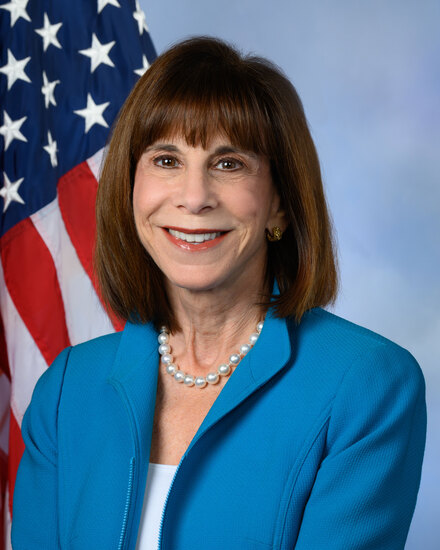
Rep. Kathy E. Manning
Sponsored bills
This resolution states that the House of Representatives (1) rejects hate, discrimination, and antisemitism; (2) stands united with the Jewish people against rising antisemitism; and (3) condemns antisemitic tropes such as claims of dual loyalty.
Maddy summaryHR 765, the African American History Act, authorizes $2 million annually for the National Museum of African American History and Culture to develop educational resources and programs about African American history. The bill directs the museum to create accessible teaching materials, support teacher professional development, and expand digital content for schools and the public, focusing on contributions, civil rights, and historical contexts. It requires annual reports to Congress and expires in 2028. The program directly supports educators, students, and families in learning about African American history through museums, schools, and online platforms.
Maddy summaryThe Extreme Risk Protection Order Expansion Act of 2023 creates a federal grant program to help states, tribes, and local governments implement and improve Extreme Risk Protection Orders (ERPOs), which temporarily remove firearms from individuals deemed to pose a danger to themselves or others. To qualify for grants, states and tribes must enact ERPO laws meeting specific due process requirements, including notice, hearing procedures, and standards of proof. The bill amends federal law to include ERPOs in the National Instant Criminal Background Check System and requires states to report on ERPO usage, including demographic data. It also establishes "full faith and credit" for ERPOs across state lines, ensuring consistent enforcement nationwide.
Maddy summaryHR 795 amends the 1968 Crime Control Act to require federal funding for training first responders on using containment devices that prevent secondary exposure to fentanyl and other dangerous substances. It directs the Department of Justice to provide both training resources and purchase these devices for emergency personnel. The law specifically targets risks faced when handling drugs like fentanyl during arrests or medical emergencies. First responders, including police and EMTs, would directly benefit from this provision. The bill mandates these measures through existing federal programs without creating new standalone requirements.
Maddy summaryThis House Resolution (HRES 88) is a symbolic recognition of the Greensboro Four sit-in, which occurred on February 1, 1960, at a Woolworth's lunch counter in Greensboro, North Carolina. It commemorates the 63rd anniversary of this event during Black History Month, honoring the students' role in sparking nationwide civil rights protests. The resolution encourages schools to include the Greensboro Four's history and contributions in their educational curricula. As a commemorative resolution, it does not create new laws or affect specific policies or individuals.
Maddy summaryHR 715, the Bipartisan Background Checks Act of 2023, requires background checks for all firearm transfers between private individuals, not just those through licensed dealers. It mandates that unlicensed sellers must involve a licensed dealer to conduct a background check before transferring a firearm, with exceptions for family transfers (like spouses or parents/children), law enforcement, temporary safety transfers, and certain hunting or range activities. The bill also requires licensed dealers to provide a notice and certification form in both English and Spanish to buyers. It explicitly states it won't create a national gun registry or override state laws on the same topic. The law would take effect 180 days after enactment.
Maddy summaryHR 694, the Job Protection Act, expands access to family and medical leave under the FMLA by reducing eligibility requirements. It lowers the required employment period from 12 months to 90 days for most workers and removes the 50-employee threshold, requiring all employers (including small businesses with one or more employees) to provide leave. Federal, presidential, and congressional employees also see their eligibility thresholds reduced to 90 days. The bill directly affects millions of private-sector workers and small businesses nationwide by making existing leave protections more widely available. It makes no changes to leave duration or pay, only to who qualifies and which employers must comply.
Maddy summaryHR 660, "Ethan's Law," requires gun owners in homes where minors (under 18) or individuals prohibited from owning firearms under federal/state law reside to store firearms securely. It makes unsecured storage unlawful if a minor or prohibited person could access the firearm, with fines of $500 per violation and enhanced penalties (up to 5 years in prison) if injury or death occurs. The bill also establishes a federal grant program to help states implement similar secure storage laws and provides funding incentives for states that already have such laws in place.
Maddy summaryHR 648, the Agriculture Export Promotion Act of 2023, increases federal funding for key USDA export promotion programs to boost U.S. agricultural sales abroad. It raises annual funding for the Market Access Program from $200 million to $400 million and for the Foreign Market Development Cooperator Program from $34.5 million to $69 million, effective 2024-2029. These changes directly benefit U.S. farmers and agricultural businesses exporting commodities like soybeans, beef, and dairy by expanding their access to international markets. The bill aims to counter competitive disadvantages as foreign competitors grow their export programs faster than U.S. funding has kept pace. This represents a significant funding adjustment to address years of stagnant investment in these programs.