

Maddy summaryHRES 573 is a symbolic resolution recognizing World Misophonia Awareness Day on July 9. It does not create new laws or provide funding, but formally acknowledges misophonia - a condition causing intense reactions to specific sounds - as a legitimate mental health concern affecting an estimated 4.6% of U.S. adults. The resolution supports increased public awareness, research into misophonia's causes and treatments, and training for healthcare providers to better recognize and address the condition. It encourages accommodations for those affected but does not mandate policy changes or alter existing healthcare provisions.
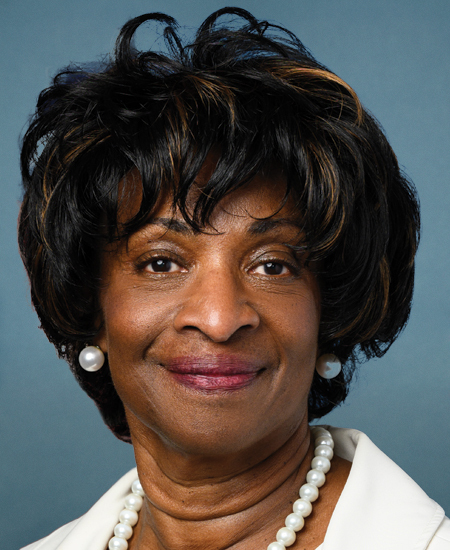
Rep. Valerie P. Foushee
Sponsored bills
Maddy summaryHR 4298, the ICE Badge Visibility Act of 2025, requires U.S. Immigration and Customs Enforcement (ICE) officers to visibly display their badge numbers on their person during any interaction involving questioning, arresting, or detaining an individual. This bill directly affects ICE officers, who must comply with the new identification requirement, and the public, who would see the badge numbers during enforcement encounters. The key provision amends the Immigration and Nationality Act to mandate that officers show their badge number visibly during specific enforcement actions. The bill does not change immigration policy or enforcement procedures, only requiring clear officer identification during certain interactions.
Maddy summaryThe Expanding Access to Mental Health Services in Schools Act of 2025 creates a federal grant program to help high-need schools hire and retain mental health professionals like counselors, psychologists, and social workers. It targets schools in the top 15% of need (based on student poverty or counts) that lack required staff ratios, such as one counselor per 250 students. Grants fund recruitment incentives (e.g., student loan repayment), retention programs, and evidence-based mental health services, with recipients required to contribute 25% of costs from non-federal funds. Schools must report annually on staff numbers, student-to-staff ratios, and retention rates to track progress toward improved mental health access.
Maddy summaryThis bill expands the requirement for federal firearm licensees (FFLs) to report multiple firearm sales. It modifies existing law to require reporting on all firearms, not just handguns (pistols or revolvers), when a single transaction involves two or more firearms. This change directly affects FFLs who sell multiple firearms at once, such as in dealer-to-dealer transfers or large retail sales. The key mechanism is updating the legal definition in the statute to include every type of firearm, streamlining the reporting process under current federal law.
Maddy summaryHRES 550 is a non-binding House resolution recognizing June 2025 as LGBTQIA+ Pride Month. It formally encourages all U.S. citizens to celebrate Pride Month to learn about LGBTQIA+ history, including the Stonewall Inn and Compton's Cafeteria uprisings. The resolution affirms that LGBTQIA+ rights are human rights and emphasizes the ongoing struggle for equality. It has no legal effect but serves as a symbolic statement of support for the LGBTQIA+ community and its history.
Maddy summaryThe AMMO Act (HR 4227) regulates ammunition sales by requiring background checks for all non-licensed buyers, limiting bulk purchases to 100 rounds of .50 caliber or 1,000 rounds of other calibers within a 5-day period, and mandating recordkeeping for dealers. It directly affects licensed ammunition dealers and individuals purchasing ammunition, requiring dealers to collect identification, written certifications, and maintain records for two years. The bill establishes penalties including fines up to $250,000 for dealers and up to 5 years in prison for false statements, and requires annual reporting on violations. Dealers must post signage about these restrictions and verify identities through government-issued photo IDs. The law will take effect 120 days after enactment.
Maddy summaryThis resolution (HRES 549) is a non-binding House measure expressing support for designating June 26 as "LGBTQI+ Equality Day." It commemorates three landmark Supreme Court rulings on June 26 (2003, 2013, and 2015) that ended criminalization of same-sex intimacy, struck down marriage discrimination, and established marriage equality. The resolution encourages public celebration of this day to honor these milestones and educate about ongoing discrimination faced by LGBTQI+ communities. It also acknowledges the need for future legislation to address discrimination in areas like employment, housing, and public accommodations. As a symbolic resolution, it does not create new legal requirements but formally recognizes these historical court decisions.
Maddy summaryThe CONNECT for Health Act of 2025 expands Medicare telehealth coverage by removing geographic restrictions that limited where patients could receive care, expanding the types of health care providers who can offer telehealth services, and eliminating the requirement for an in-person visit before receiving telemental health services. The bill includes specific provisions to support telehealth use for Native American health facilities, rural health clinics, and Federally Qualified Health Centers. It requires the Centers for Medicare & Medicaid Services to collect and publish data on telehealth usage and impacts, and to develop resources to improve accessibility for people with disabilities and limited English proficiency. Program integrity measures are added to monitor telehealth billing practices and prevent fraud while maintaining coverage for telehealth services during public health emergencies.
Maddy summaryHR 4167, the Expanding Access to Lending Options Act, amends the Federal Credit Union Act to extend the maximum time federally chartered credit unions can hold mortgage loans from 15 years to 20 years (or longer by NCUA regulation). This change directly affects federally chartered credit unions by allowing them to offer longer-term mortgage products to members. The key provision modifies Section 107(5) of the Federal Credit Union Act, specifically updating the time limit for mortgage loans held by credit unions. The bill also includes a non-binding sense of Congress statement emphasizing safety and soundness in NCUA oversight, but the core policy change is the extended mortgage holding period.
Maddy summaryThe Equal Dignity for Married Taxpayers Act amends the Internal Revenue Code to replace gendered terms like "husband and wife" with gender-neutral language such as "married couple" or "spouses" throughout tax law. This bill affects all married couples filing federal taxes by making the tax code consistent for all married couples regardless of gender. It makes over 30 specific changes to tax code sections, including replacing "his spouse" with "the individual's spouse" and updating references to marital status. The bill does not alter tax rates, deductions, or credits - it only updates language to be more inclusive. This is a technical language update to ensure the tax code treats all married couples equally without gendered references.